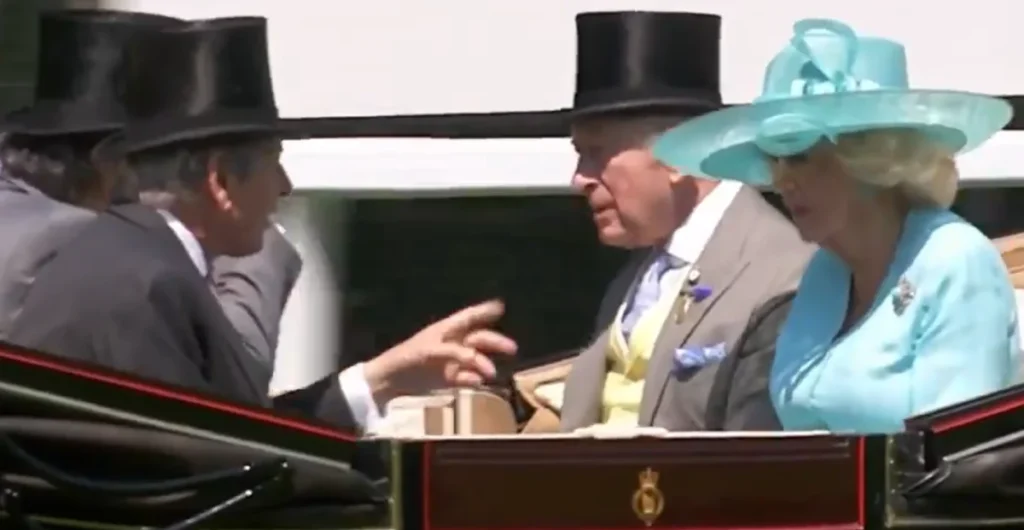

The illustrious Royal Ascot meeting continued its captivating four-day run on Friday, with Their Majesties King Charles III and Queen Camilla once again gracing the iconic racecourse by leading the traditional Royal procession. As the late afternoon sun cast a golden hue over the Berkshire downs, the magnificent horse-drawn landaus made their stately progress down the Straight Mile, a spectacle that has become synonymous with the prestigious event and a highlight for attendees and viewers alike. This year’s Royal Ascot, held from Tuesday to Saturday, has been a showcase of tradition, sporting excellence, and sartorial elegance, with the Royal Family at its heart.
The King and Queen, patrons of the event and deeply involved in the world of horse racing, set the tone for the day’s proceedings. Their presence, a symbol of continuity and tradition, underscored the enduring significance of Royal Ascot in the British sporting and social calendar. The carriage procession, a centuries-old tradition, serves not only as a ceremonial introduction to the afternoon’s racing but also as a vibrant display of royal patronage and the intertwined relationship between the monarchy and equestrian pursuits. This year’s event, in particular, carries an added layer of national significance as it unfolds under the reign of a new monarch, reinforcing the established customs that have been passed down through generations.
A Distinguished Gathering in the Royal Carriages
The composition of the Royal procession each day offers a glimpse into the close circle of individuals who share in the King and Queen’s passion for racing and their engagement with public life. On Friday’s fourth day, the Royal carriage, a symbol of regal presence, carried a curated selection of distinguished guests, reflecting the diverse facets of the Royal Ascot experience.
In the lead carriage alongside Their Majesties were HH Prince Saud bin Khalid bin Abdullah bin Abdulrahman Al Saud, a figure of note within the international equestrian community, and Mr. John Warren, the King’s long-standing and highly respected racing advisor. Mr. Warren’s expertise and counsel have been instrumental in shaping the King’s racing interests, and his presence alongside His Majesty highlights the strategic and personal importance of racing to the monarch. Prince Saud’s inclusion signifies the international dimension of horse racing and the global connections fostered by events like Royal Ascot.
The second carriage was occupied by The Earl and Countess of Caledon, whose family has historical ties to the aristocracy and equestrian circles. They were accompanied by Lord and Lady Lloyd-Webber, further emphasizing the blend of established British families and prominent figures from the arts and cultural spheres who are integral to the fabric of such high-profile events. Lord Lloyd-Webber, the renowned composer, brings a touch of artistic glamour to the proceedings, demonstrating that Royal Ascot transcends purely sporting interests to encompass a broader cultural appreciation.
The third carriage featured Australian racehorse trainer Ciaron Maher and his wife Eileen. Maher is a highly successful trainer in Australia, with numerous Group 1 victories to his name, and his presence signifies the international reach of British racing and the mutual respect between global equestrian communities. Sharing this carriage was Mr. Ed Walker, a respected British racehorse trainer, and his wife Camilla. This pairing underscores the central role of trainers and their families in the success of the sport, acknowledging their dedication and contribution to the racing world.
Completing the Royal procession were General Sir Roly Walker and Lady Walker, along with Lord and Lady Benyon. The inclusion of military figures and prominent landowners speaks to the traditional support base of the monarchy and the rural heritage that horse racing often embodies. Lord Benyon, a Conservative peer and former minister, represents the intersection of political and aristocratic influence that has long been associated with such events.
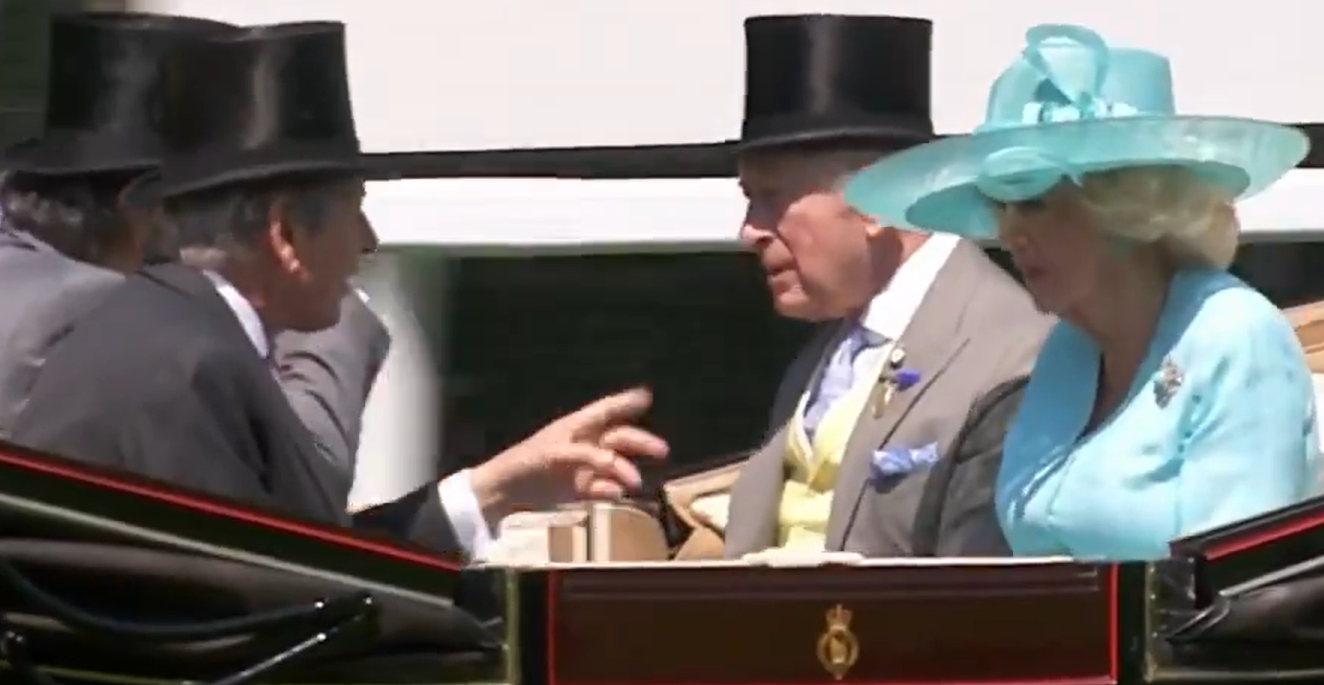
The Enduring Tradition of the Royal Procession
The daily carriage procession at Royal Ascot is more than just a visual spectacle; it is a carefully orchestrated event that embodies centuries of tradition. Its origins can be traced back to the early days of horse racing as a royal pastime, where the sovereign’s presence lent prestige and legitimacy to the proceedings. Over the years, the procession has evolved, but its core purpose remains the same: to celebrate the heritage of the event, acknowledge the monarchy’s patronage, and provide a focal point for the assembled guests and spectators.
This year, the procession has been a consistent feature of each race day, offering a moment of grandeur before the excitement of the turf takes centre stage. It serves as a tangible link to the past, a reminder of the historical continuity that Royal Ascot represents. The sheer scale of the event, with thousands of attendees dressed in their finest attire, coupled with the majestic sight of the horses and carriages, creates an atmosphere of unparalleled elegance and occasion. The Straight Mile, a defining feature of Ascot Racecourse, becomes a runway for this sartorial and ceremonial parade, with the Royal carriages leading the charge, setting a standard of sophistication for all to follow.
A Week of Royal Appearances and Sporting Excellence
The fourth day’s procession follows a week already rich with notable royal engagements. The Prince and Princess of Wales made a highly anticipated return to Royal Ascot on Wednesday, their first appearance at the meeting since 2023. Their presence, alongside other senior royals such as Princess Anne, and cousins Peter and Harriet Phillips, has reinforced the Royal Family’s ongoing commitment to this significant national event. Each royal appearance draws considerable public attention, highlighting the enduring fascination with the monarchy and their participation in traditional British pastimes.
The guests accompanying the Royal Family throughout the week have reflected the multifaceted nature of Royal Ascot, drawing from the worlds of racing, business, politics, and public service. This cross-section of society underscores the event’s status as a premier social gathering as well as a sporting championship. The carefully curated guest lists for the Royal carriages offer a subtle yet powerful statement about the individuals and institutions that are valued and recognized within the circles of influence and tradition.
The Broader Impact and Legacy of Royal Ascot
Royal Ascot is not merely a series of horse races; it is a cultural phenomenon that generates significant economic activity and promotes the sport of horse racing on a global scale. The event attracts international owners, trainers, and jockeys, fostering a spirit of global competition and camaraderie. The presence of the Royal Family acts as a powerful endorsement, drawing attention and prestige to the sport, which in turn benefits breeding operations, training yards, and associated industries.
The pageantry and tradition associated with Royal Ascot, epitomized by the Royal procession, contribute to its unique appeal. This blend of sporting excellence and ceremonial grandeur creates an experience that is both exhilarating and deeply rooted in British heritage. The event serves as a platform for showcasing the finest horses, the most skilled riders, and the pinnacle of equestrian achievement.
As the final day of Royal Ascot approaches, the enduring image of the King and Queen leading the Royal procession on Friday serves as a powerful testament to the timeless allure of this esteemed event. The continued tradition of the carriage procession, with its carefully selected guests, reinforces the central role of the monarchy in celebrating and upholding the pageantry and royal splendour for which Royal Ascot is internationally renowned. The event’s ability to seamlessly blend sporting competition with regal ceremony ensures its continued relevance and appeal for generations to come, solidifying its place as a cornerstone of the British summer social calendar. The meticulous planning and execution of these processions, day after day, reflect a deep respect for tradition and a commitment to providing a memorable experience for all involved. The economic impact is also substantial, with hospitality, tourism, and associated industries benefiting significantly from the influx of visitors. Furthermore, Royal Ascot serves as a crucial platform for promoting British breeding and the global reputation of the UK’s thoroughbred industry. The carefully orchestrated appearances of the Royal Family provide an unparalleled level of exposure and prestige, drawing international attention to the sport and its associated excellence. The event is a testament to the enduring appeal of tradition, sport, and the monarchy, creating a unique and captivating spectacle that continues to draw crowds and captivate imaginations year after year.