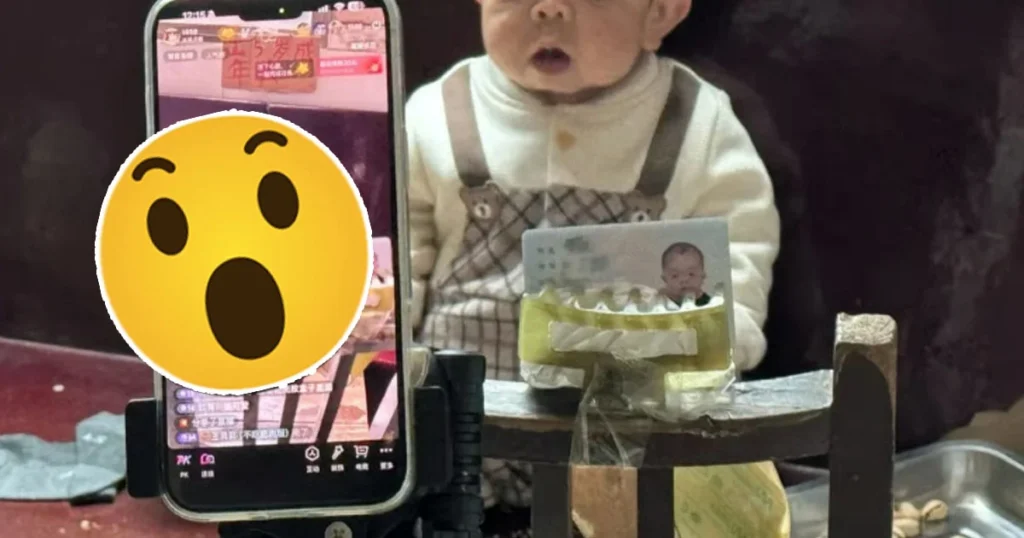

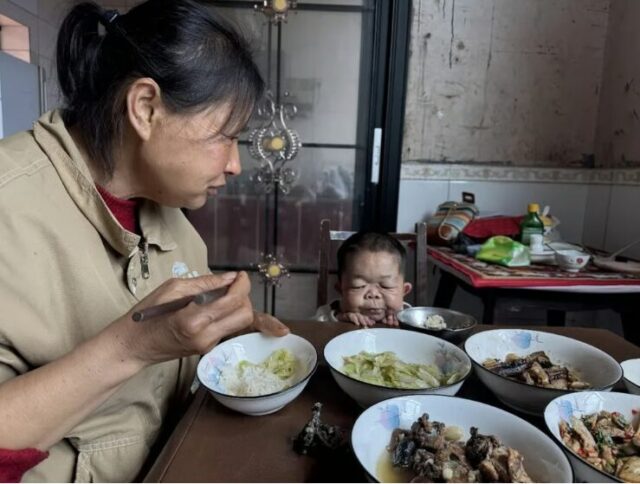
The physical disparity between chronological age and biological development has rarely been as starkly illustrated as in the case of Wang Junming, a 25-year-old resident of China whose height remains frozen at 66 centimeters. Standing roughly the height of a five-month-old infant, Wang’s condition has captured international attention, shedding light on the intersection of rare genetic disorders, rural poverty, and the transformative power of social media in modern healthcare. While an average newborn measures between 48 and 50 centimeters, Wang has grown only marginally beyond those initial dimensions in a quarter-century of life. His story, brought to light by his younger sister’s social media presence, has evolved from a viral curiosity into a complex medical and social case study involving one of the world’s rarest genetic mutations.
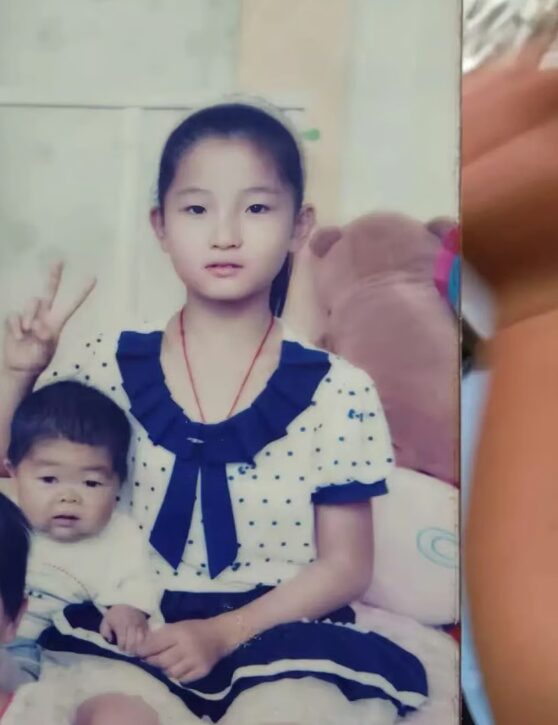
The trajectory of Wang’s life changed significantly in early 2024 when his 21-year-old sister, Xiaoling, began sharing glimpses of their domestic life on social media platforms. Xiaoling, a nursing school graduate, documented the daily routines of caring for a brother who, despite being her senior by four years, requires the level of attention usually reserved for a toddler. The content quickly resonated with a digital audience, amassing over 163,000 followers. However, the impact of these videos extended beyond mere "likes" and "shares." Concerned viewers, including some with medical backgrounds, urged the family to seek a formal evaluation at a specialized facility. This collective digital intervention led the family to the Second Xiangya Hospital of Central South University in Changsha, Hunan province, where Wang underwent a comprehensive diagnostic process in February.
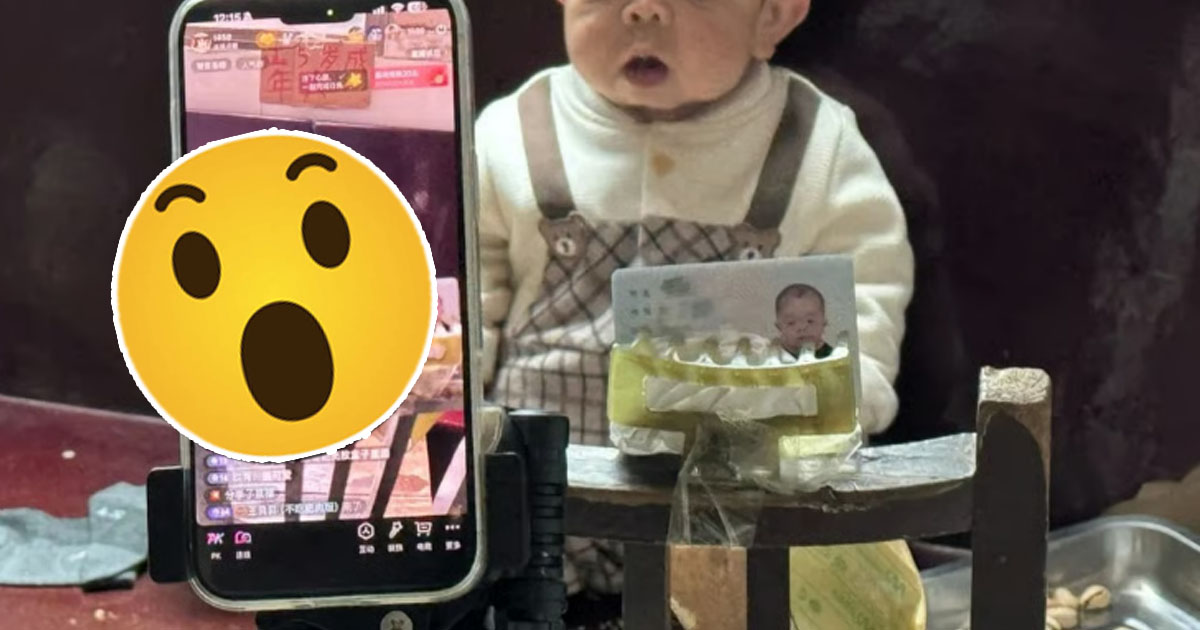
The Medical Science of the POU1F1 Gene Mutation
At the Second Xiangya Hospital, Wang was placed under the care of Dr. Deng Chao, a prominent endocrinologist. Following a series of tests, Dr. Deng identified the root cause of Wang’s condition: a profound pituitary hormone deficiency linked to an abnormal POU1F1 gene. The POU1F1 gene is a critical biological blueprint responsible for the development and function of the pituitary gland, specifically regulating the production of growth hormone, thyroid-stimulating hormone, and prolactin. When this gene is defective, the body fails to signal the growth of bones, tissues, and organs, effectively halting physical development at an infantile stage.
The rarity of Wang’s condition cannot be overstated. According to medical literature cited by Dr. Deng, including a pivotal 2021 study, there are only 114 documented cases of this specific genetic mutation worldwide. This extreme scarcity often leads to misdiagnosis or a total lack of medical recognition in regions where advanced genetic testing is unavailable. In Wang’s case, the deficiency has not only affected his stature but also his cognitive development. At age 25, his mental capacity is reported to be equivalent to that of a baby, necessitating around-the-clock supervision and care.
While many patients with similar deficiencies can achieve near-normal height and cognitive function if treatment begins between the ages of six months and three years, Wang’s window for optimal intervention passed decades ago. The medical community generally considers the early years of childhood as the "golden period" for hormone replacement therapy, as the epiphyseal plates (growth plates) in the bones remain open and responsive to synthetic growth hormones.
A Chronology of Financial Barriers and Family Struggle
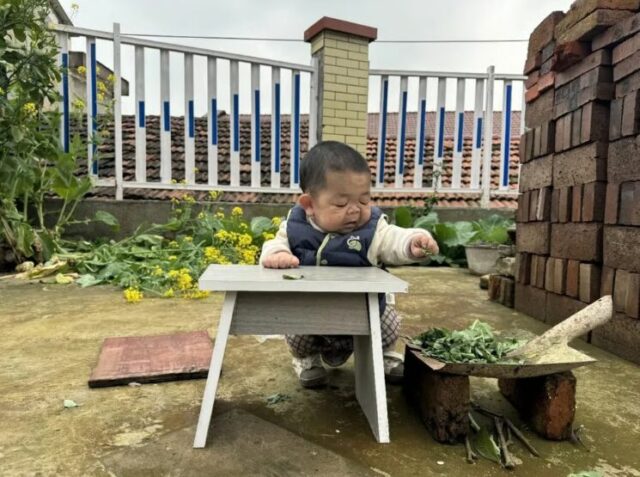
The delay in Wang’s treatment was not a result of parental neglect but rather a symptom of the systemic economic challenges facing rural families in China. Wang’s father, a manual laborer working as a bricklayer, earns approximately 3,000 yuan (roughly $450 USD) per month. In the context of the Chinese economy, this income is barely sufficient to cover basic living expenses for a family of four, leaving little room for the exorbitant costs associated with specialized medical treatments and long-term hormone therapies.
The family’s financial stability was further compromised during Wang’s childhood when his mother was diagnosed with cancer. Although she eventually survived the illness, the cost of her oncology treatments drained the family’s meager savings and redirected all available resources toward her survival. During this period, the family did attempt to seek medical help for Wang. He was taken to a hospital where doctors prescribed the necessary medication, but the high recurring costs of the hormones proved unsustainable. Faced with the choice between basic survival and a treatment they could no longer afford, the family was forced to discontinue Wang’s medical regimen, a decision that would ultimately result in his permanent physical and cognitive stagnation.
The responsibility of Wang’s care eventually shifted to his sister, Xiaoling. Her commitment to her brother has dictated her life choices; after graduating from nursing school, she chose to remain in Changsha to stay close to him rather than pursuing more lucrative opportunities elsewhere. Currently working at a local beauty clinic, Xiaoling has become the primary advocate for her brother’s health, utilizing her medical training to navigate his daily needs.
Current Treatment Protocols and Uncertain Outcomes
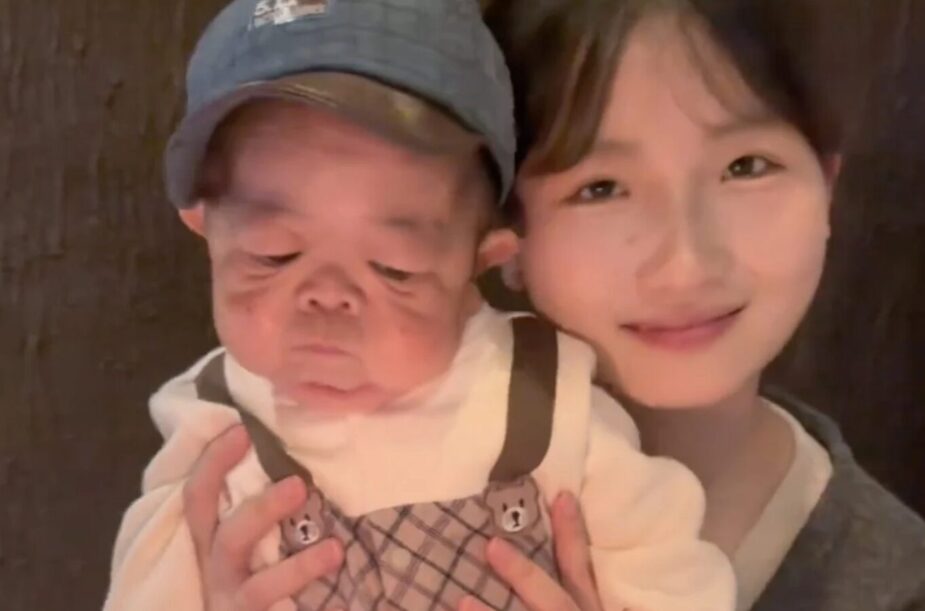
Following the formal diagnosis in February, Wang has begun a regimen of regular hormone therapy. However, Dr. Deng and other medical experts remain cautious regarding the prognosis. Because Wang is 25 years old, his skeletal system has largely matured, even if it remains at an infantile scale. There is significant uncertainty as to whether his bones can still respond to growth hormones or if they possess the structural integrity to support any potential increase in height.
The goals of the current therapy have shifted from achieving a standard adult height to improving Wang’s quality of life. Doctors hope that the hormones may enhance his bone density, improve his metabolic health, and perhaps stimulate further cognitive development. There are already subtle signs of progress; Xiaoling reports that Wang has shown increased awareness of his surroundings. He has begun to recognize her more consistently and can perform simple tasks, such as pointing to hidden objects or identifying her mobile phone. These small milestones, while minor for an average adult, represent significant breakthroughs for Wang and offer a glimmer of hope for his future autonomy.
To fund this ongoing and expensive treatment, Xiaoling is planning to diversify her income. She intends to open a small noodle stall and continue her social media livestreams, leveraging her platform to secure the financial future of her brother. The cost of synthetic growth hormone therapy can run into thousands of dollars annually, a sum that remains a daunting hurdle for the family.
Broader Implications for Rare Disease Advocacy in China
The case of Wang Junming highlights several critical issues within the global healthcare landscape, particularly regarding "orphan diseases"—conditions so rare that they often lack sufficient research funding or standardized treatment protocols. In China, the government has made strides in expanding medical insurance coverage, but specialized genetic treatments often fall outside the scope of basic rural cooperative medical schemes.
Wang’s story also underscores the phenomenon of "medical crowdsourcing" via social media. In the absence of robust formal support networks, many families in developing regions are turning to platforms like TikTok and Douyin to find diagnoses, emotional support, and financial aid. While this has provided a lifeline for Wang, it also raises questions about the equity of healthcare access, where a patient’s survival or treatment may depend on their ability to go "viral."
Furthermore, the psychological toll on "sibling caregivers" is a factor that is often overlooked. Xiaoling’s life has been inextricably linked to her brother’s condition, and her future—both financial and personal—is tied to his care. In earlier years, she harbored a childhood belief that her brother might be like a mythical figure who would live for thousands of years, a coping mechanism for his lack of growth. Today, her perspective is grounded in reality. Doctors have clarified that while Wang’s condition is severe, it does not necessarily shorten his natural life expectancy. This means that Wang will likely outlive his parents, leaving Xiaoling as his lifelong guardian.
Conclusion
Wang Junming’s life is a testament to the resilience of the human spirit in the face of extraordinary biological and economic odds. His 66-centimeter frame carries the weight of a decade-long struggle against poverty and a rare genetic anomaly that only a hundred other people on Earth share. As he continues his hormone therapy in Changsha, the medical community watches with interest to see how a 25-year-old body responds to treatments typically reserved for toddlers.
For the Wang family, the path forward is one of cautious optimism. The intervention of the online community has provided them with answers they waited a quarter-century to receive. While Wang may never reach the height of his peers, the improvement in his cognitive engagement offers his family something they had long ago lost: the hope that he might one day interact with the world on his own terms. His case remains a poignant reminder of the necessity for early medical intervention and the urgent need for more accessible healthcare systems that can catch rare conditions before the "golden window" of treatment closes forever.