
The intersection of celebrity culture and esoteric practices has long been a subject of public fascination, blurring the lines between private spiritual expression and public performance. As mainstream interest in astrology, manifestation, and neopagan traditions experiences a global resurgence—often referred to as the "WitchTok" phenomenon—several high-profile figures have become public advocates for these practices. This trend aligns with broader shifts in cultural attitudes toward spirituality, as younger generations increasingly move away from traditional organized religion in favor of personalized, nature-based, or metaphysical belief systems.
The influence of this movement is currently amplified by the entertainment industry’s embrace of supernatural themes. With the highly anticipated release of Practical Magic 2 and the ongoing cultural impact of the American Horror Story anthology, the aesthetic and thematic tropes of witchcraft are reaching a saturation point in pop culture. This article analyzes the documented engagement of prominent celebrities with these practices, the historical context of such beliefs in Hollywood, and the implications of bringing these private spiritual pursuits into the public domain.

Historical Context and Cultural Shift
While the term "witchcraft" carries a complex historical weight, modern practitioners—including several A-list celebrities—often frame their involvement through the lens of empowerment, grounding, and manifestation. Anthropologists note that during periods of social and economic uncertainty, there is historically a spike in the adoption of occult or alternative spiritual practices. In the context of Hollywood, where the pressure to maintain personal agency and professional success is immense, rituals such as crystal healing, tarot reading, and energy cleansing (or "smudging") are frequently cited by public figures as tools for psychological stability and professional navigation.
Individual Profiles: Case Studies in Metaphysical Practice
Several notable figures have been vocal regarding their integration of these practices into their daily lives and decision-making processes.
Katy Perry and the Mechanics of Manifestation
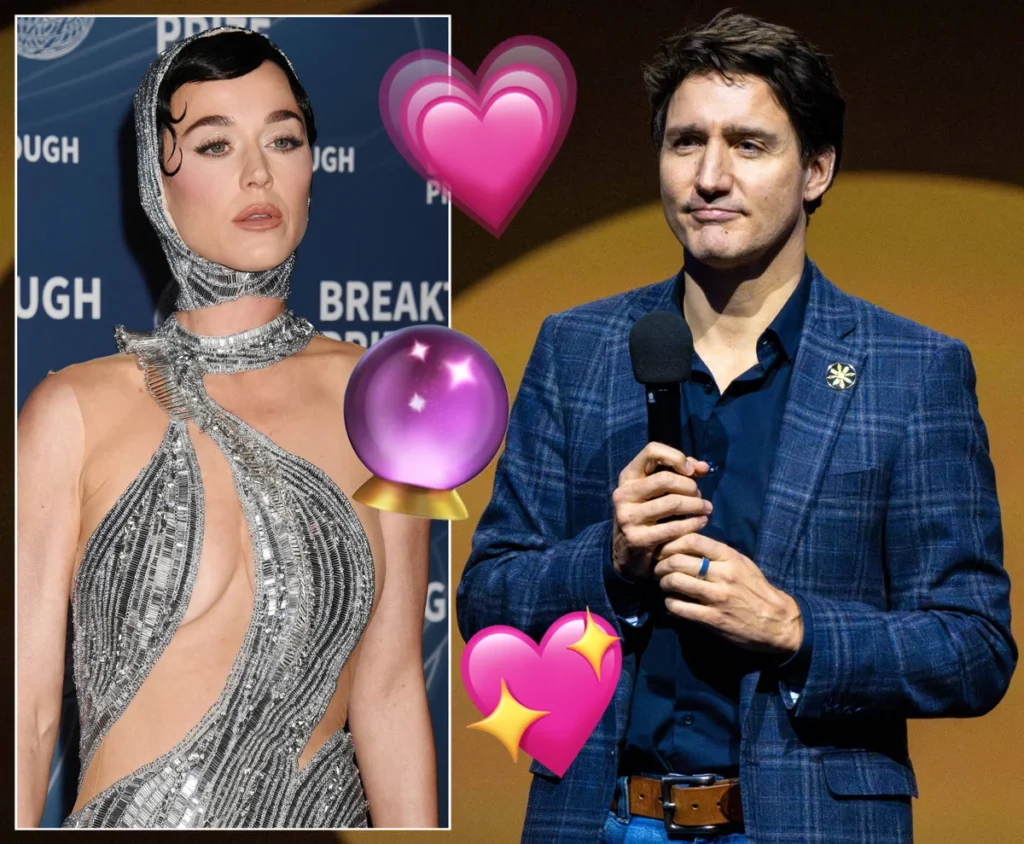
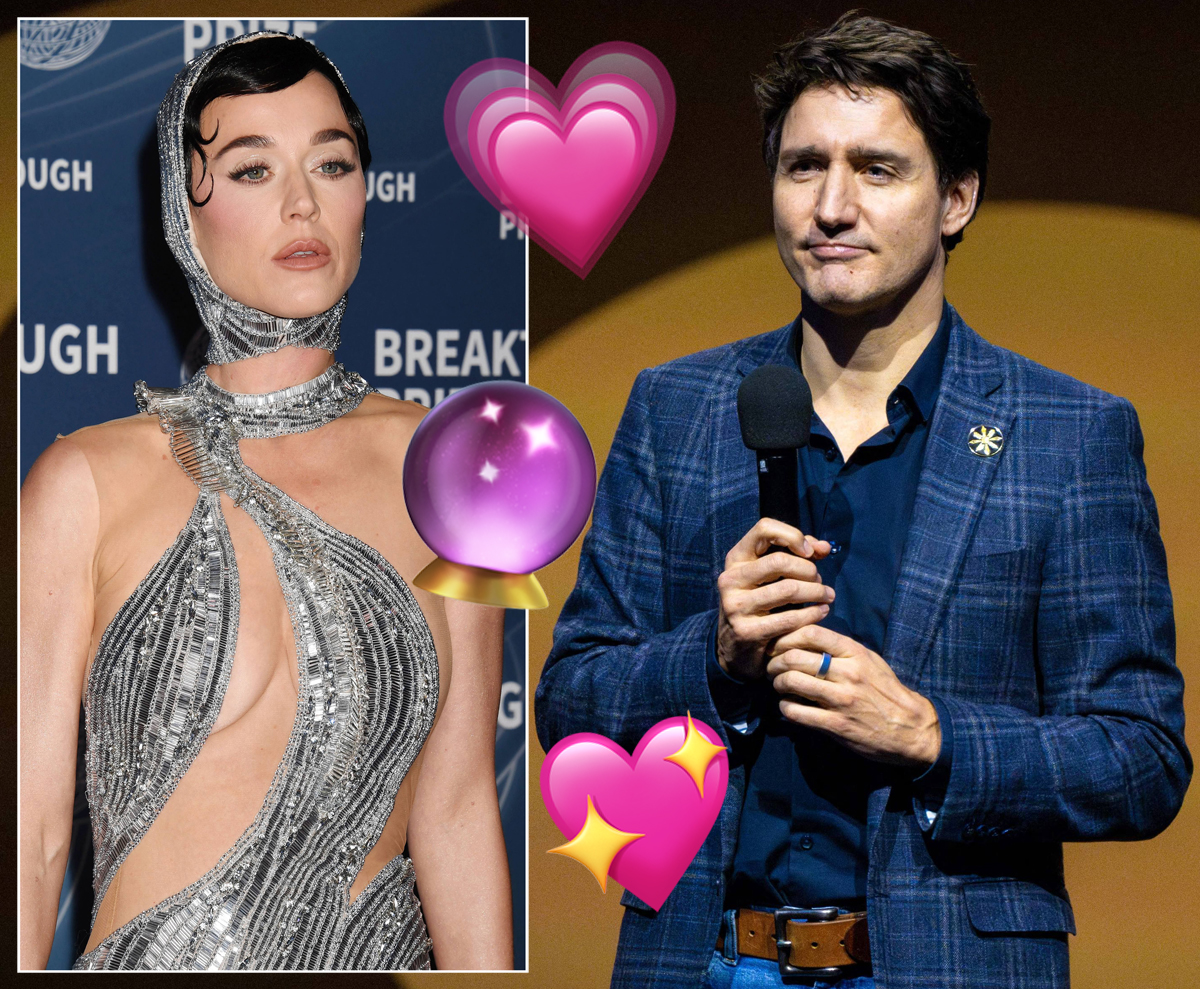
Singer Katy Perry has been transparent about her use of crystals, particularly rose quartz, to influence her personal life. In various interviews, Perry has framed her use of gemstones not merely as aesthetic choices but as intentional tools for energy management. Her public discourse on the subject reflects a broader movement of "intentional living," where practitioners utilize physical objects to focus their mental state toward specific goals, such as interpersonal connections. From a psychological perspective, such rituals can function as "self-fulfilling prophecies," where the belief in the efficacy of an object alters the user’s behavior in ways that facilitate the desired outcome.
Vanessa Hudgens and the Integration of Esoteric Identity
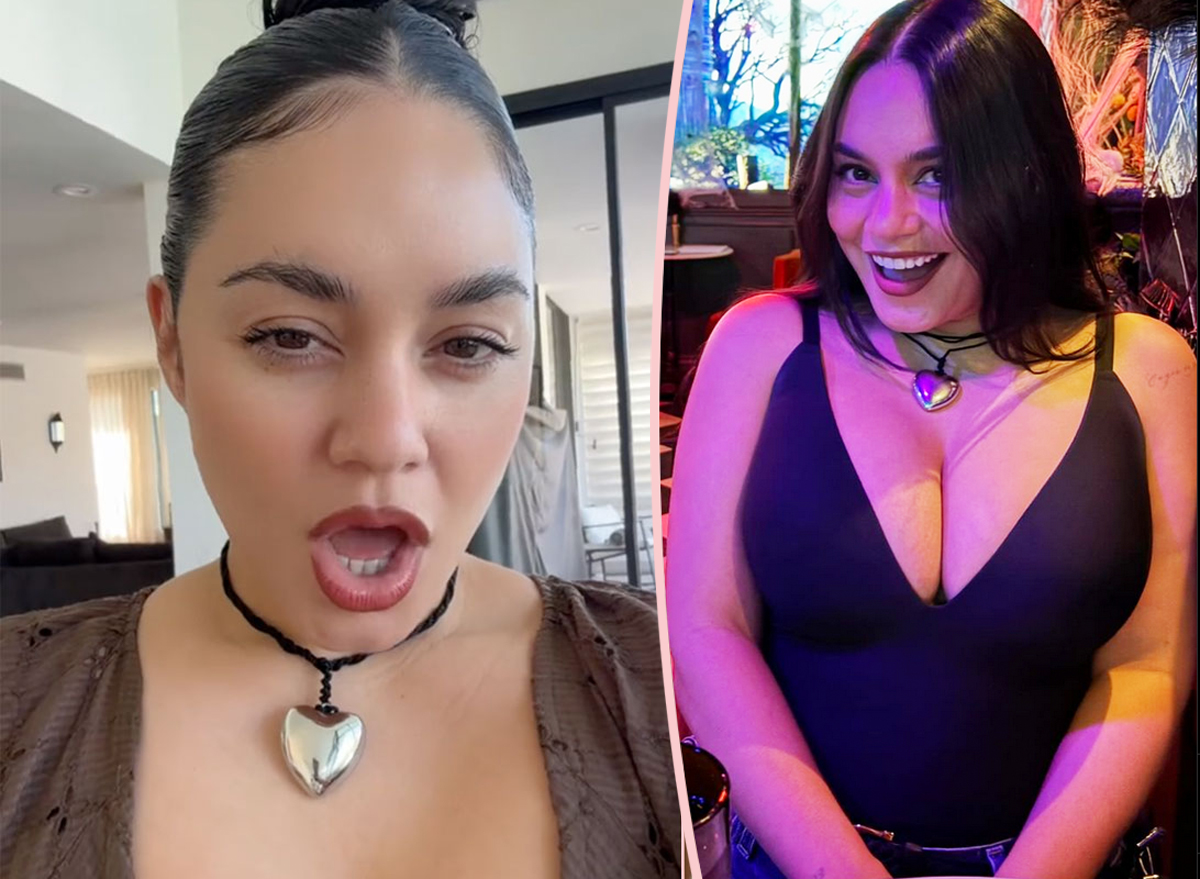
Vanessa Hudgens has been one of the most vocal proponents of modern witchcraft, moving beyond casual interest to integrate these themes into her creative output. Her involvement in the 2023 documentary Dead Hot provided a platform to explore the stigma associated with the term "witch" in contemporary society. By grounding her interest in nature, ancestral connection, and herbalism, Hudgens has repositioned the archetype of the witch as a figure of personal autonomy rather than the historical villainy often depicted in cinema. This pivot reflects a broader effort within the occult community to reclaim the identity of the witch as a symbol of feminine empowerment.
Lana Del Rey and the Power of Symbolic Action
Lana Del Rey’s involvement in ritualistic political protest in 2017 serves as a notable example of the intersection between political activism and metaphysical belief. Her public call for a "binding spell" against a sitting U.S. President highlighted a belief in the "vibration of thought," a core tenet of various New Thought movements. While the act was met with skepticism by the general public, it underscored the singer’s adherence to the idea that language and intention can function as a form of "modern magic." Her public statements regarding Yoko Ono and John Lennon indicate a lifelong interest in the intersection of art and mysticism, suggesting that for Del Rey, these practices are extensions of her creative process.
The Olsen Twins and Energy Management
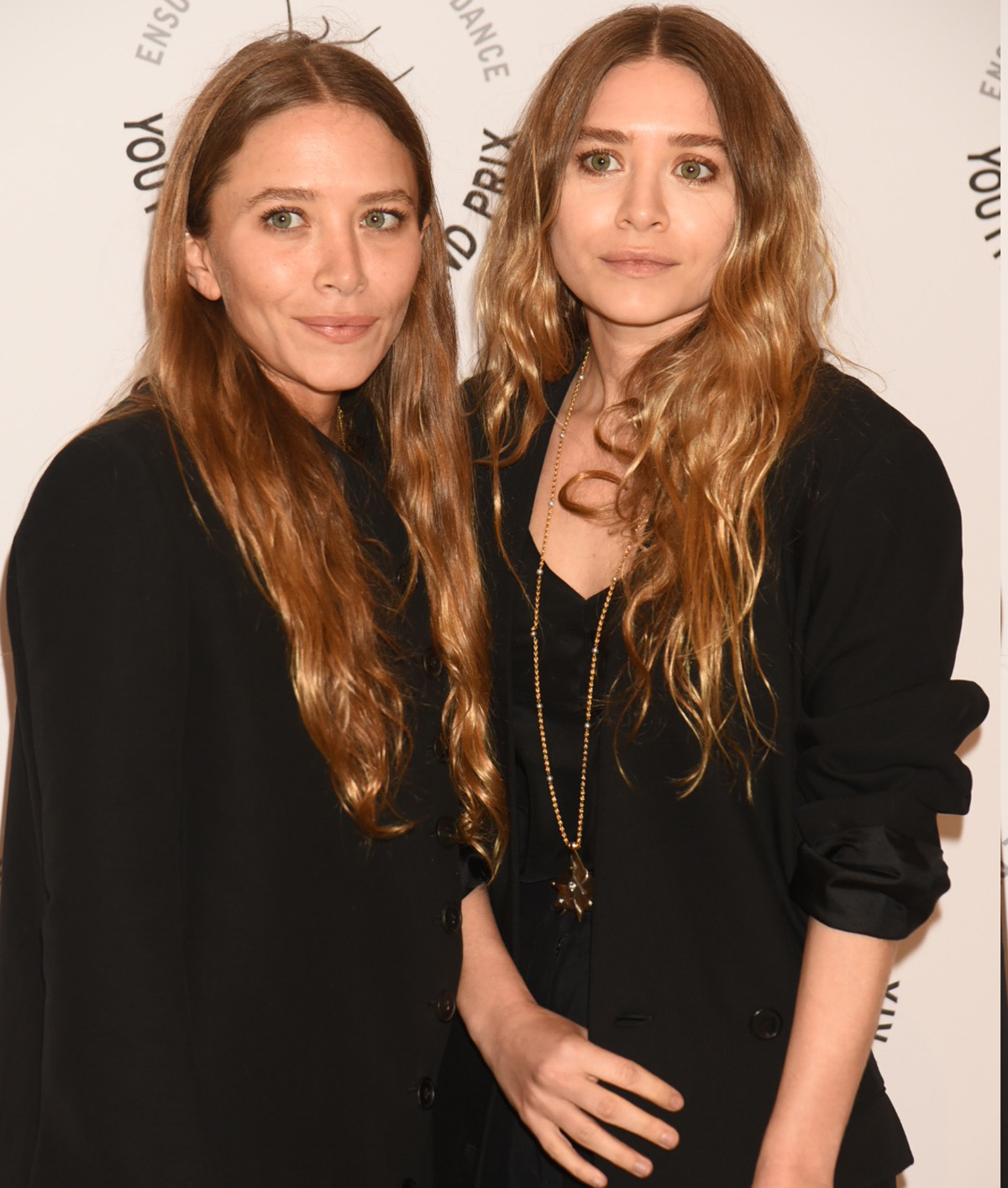
Mary-Kate and Ashley Olsen have demonstrated a sophisticated approach to environmental energy through the practice of "smudging" (the burning of sage or other botanicals to clear negative energy). Their incorporation of crystals into the brand identity of their fashion label, The Row, indicates that for some, these practices are not just personal, but professional. By utilizing black and white quartz, they have successfully merged the aesthetics of luxury fashion with the wellness trend of energy protection, demonstrating the commercial viability of "witchy" branding.
The Role of Music and Performance: The Stevie Nicks Legacy
Stevie Nicks occupies a unique space as the cultural bridge between the counter-culture mysticism of the 1970s and the modern acceptance of these themes. Her association with the figure of the witch, largely solidified through her Fleetwood Mac hit Rhiannon, has been a defining element of her public persona for decades. Nicks has masterfully navigated the ambiguity between artistic metaphor and genuine belief. By allowing her work to be featured in projects like American Horror Story, she has validated the "witchy" aesthetic for a new generation, essentially becoming the patron saint of the modern pop-culture occult.
Controversy and Legal Implications
Not all engagements with the occult in Hollywood have been framed as benign or empowering. The 2018 legal dispute involving Beyoncé and a former employee, in which allegations of "extreme witchcraft" were leveled against the singer, provides a stark contrast to the narratives of self-improvement. While the lawsuit was dismissed and lacked evidentiary support, it highlighted the persistence of witchcraft as a trope in high-conflict scenarios. Such allegations are a reminder that, despite the mainstreaming of these practices, the word "witch" can still be deployed as a weaponized, derogatory term intended to undermine a public figure’s reputation.
Data and Public Perception
Sociological data suggests that interest in the occult is not merely a passing celebrity trend but a reflection of a wider demographic shift. According to recent reports on religious and spiritual affiliations, the number of individuals identifying as "spiritual but not religious" has grown significantly in the United States over the last two decades. This demographic is more likely to utilize tools like tarot, astrology, and crystals as aids for mental health and decision-making.

The economic impact of this shift is measurable. The global market for "mind, body, and soul" wellness—which includes the sale of crystals, tarot decks, and ritual supplies—is currently valued in the multi-billion-dollar range. Celebrities who endorse these products or lifestyles are not only participating in a subculture but are also acting as influencers for a rapidly expanding consumer market.
Professional Analysis: The Psychology of Modern Mysticism
The rise of witchcraft in Hollywood, when viewed through a clinical lens, often aligns with a need for control in a volatile environment. The film and music industries are characterized by high instability and unpredictability. Rituals—even those considered "superstitious" by some—provide a sense of agency. By performing a specific action, such as carrying a quartz crystal or conducting a cleansing ritual, the individual creates a psychological boundary between themselves and the pressures of their career.
Furthermore, the "witchy" aesthetic provides a cohesive visual language for branding. As seen with the Olsen twins and Stevie Nicks, the incorporation of esoteric symbols allows for a deeper layer of storytelling. It provides fans with a sense of "insider" knowledge, fostering a community that feels connected to the celebrity through shared beliefs or symbols.
Conclusion
The engagement of Hollywood figures with witchcraft, manifestation, and mysticism is a multifaceted phenomenon. It functions as a source of personal comfort for the artist, a creative aesthetic for their work, and a powerful marketing tool in an era that prizes authenticity and "vibes" over traditional institutional affiliation. While public opinion remains divided—with some viewing these practices as harmless self-care and others viewing them with skepticism or concern—the prevalence of these themes suggests that the occult has firmly cemented its place in the modern celebrity lexicon.
As we look toward the future of entertainment, the influence of these practices is unlikely to wane. With the continued development of high-budget supernatural programming and the ongoing evolution of the "wellness" industry, the line between the mystical and the mundane will continue to blur, reflecting the evolving spiritual landscape of the 21st century. Whether viewed as a sincere spiritual path or a calculated performance, the "modern-day witch" has become a permanent fixture of the Hollywood landscape.