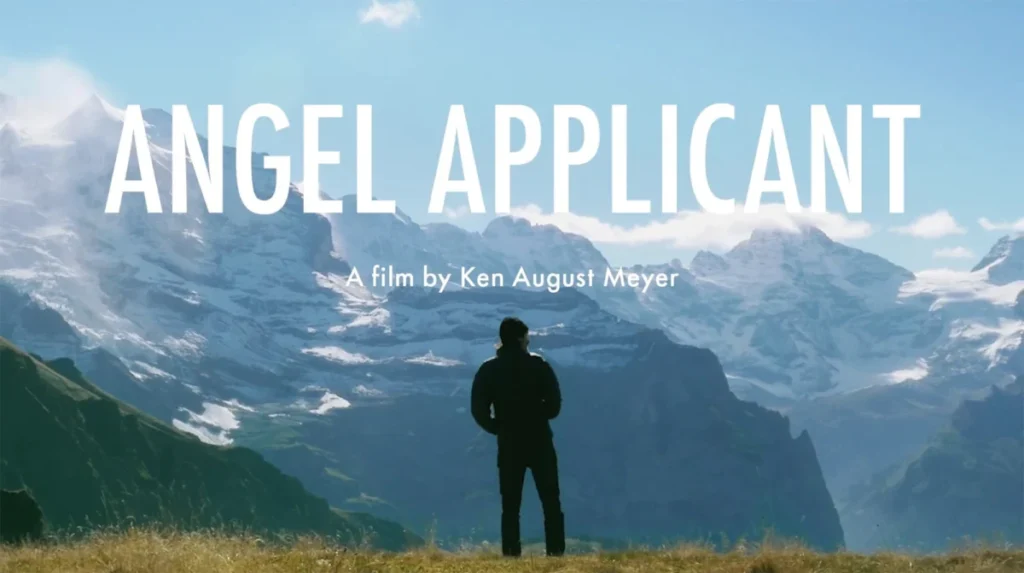

A poignant and deeply personal documentary, Angel Applicant, is drawing renewed attention with the release of its official trailer, offering viewers a compelling glimpse into the life and artistic legacy of the celebrated Swiss-German painter Paul Klee. The film, helmed by filmmaker Ken August Meyer, transforms a biographical exploration into an intimate dialogue between two artists separated by time but united by shared experience. Meyer’s work, which premiered to critical acclaim at the 2023 SXSW Film Festival, where it secured the Audience Award for Best Documentary Film, is now being made more widely accessible, inviting audiences to connect with Klee’s profound journey through the lens of Meyer’s own health challenges.
The narrative of Angel Applicant unfolds against the backdrop of a turbulent historical period and a deeply personal medical battle. Paul Klee, a pioneering figure in modern art, was forced to flee Germany in 1933. The rising Nazi Party had begun to systematically vilify and suppress modern artists, deeming their work "degenerate." This political upheaval led Klee to seek refuge in Switzerland. However, his exile was soon compounded by a debilitating and mysterious illness that began to significantly impact his physical well-being and, consequently, his artistic output. This period marked a profound transformation in Klee’s work, infusing it with new layers of expression and introspection. Klee’s struggle with his health ultimately led to his passing in 1940, at the precipice of World War II.
Filmmaker Ken August Meyer, diagnosed with systemic scleroderma – the same life-threatening disease that afflicted Klee – embarks on a deeply resonant exploration of Klee’s late works. The documentary positions Klee’s expressive and often whimsical final paintings not merely as artistic creations, but as profound testaments to resilience and adaptation. Meyer finds in Klee’s art an empathetic guide, offering him wisdom and a framework for navigating his own challenging health diagnosis. The film’s narrative is intrinsically linked to Meyer’s personal journey, as he grapples with his mortality and seeks solace and understanding within the vibrant palette and complex compositions of Klee’s oeuvre.

A Chronological Journey: From Artistic Exile to Personal Revelation
The genesis of Angel Applicant can be traced back to its initial screening at the prestigious SXSW Film Festival in 2023. The festival, a renowned platform for groundbreaking independent cinema, recognized the film’s emotional depth and artistic merit, awarding it the Audience Award for Best Documentary Film. This accolade signaled the film’s strong connection with viewers and its potential to resonate on a broader scale.
Following its SXSW debut, Angel Applicant continued its festival circuit, appearing at other significant documentary showcases such as Hot Docs and DOC NYC. These screenings further solidified its reputation within the independent film community.
While the film premiered in 2023, its wider release and availability have been strategically managed. Grasshopper Film, a distributor known for its commitment to independent and art-house cinema, made the film available for purchase on DVD in 2025. This release strategy allowed for a gradual build-up of awareness and accessibility. The recent release of the official trailer aims to reignite interest and introduce the documentary to a new audience, particularly in anticipation of broader streaming or VOD availability. The trailer itself is sourced from YouTube, a testament to the evolving landscape of film distribution and promotion.
Thematic Resonance: Art, Illness, and the Human Spirit
The core of Angel Applicant lies in its profound exploration of the symbiotic relationship between art, illness, and the indomitable human spirit. Paul Klee’s artistic journey is a powerful case study in how adversity can fuel creativity. His move to Switzerland, forced by political persecution, coincided with the onset of his illness. This confluence of external pressures and internal physical struggle did not silence his artistic voice; instead, it seemed to amplify it, leading to some of his most introspective and emotionally charged works. Klee’s paintings from this period are characterized by their vibrant colors, playful yet profound symbolism, and a unique blend of childlike wonder and mature philosophical inquiry.

Director Ken August Meyer’s personal connection to Klee’s narrative provides Angel Applicant with its distinctive autobiographical dimension. By confronting his own diagnosis of systemic scleroderma, Meyer is able to approach Klee’s life and work with a rare level of empathy and understanding. The film posits that Klee’s art, particularly his later pieces, offers not just aesthetic beauty but also a form of therapeutic wisdom. The "expressive last works" become a visual language through which Klee communicated his experience of physical deterioration and his enduring engagement with life. Meyer’s act of delving into these works is, in essence, an act of seeking connection and finding parallels between his own lived experience and that of the artist he so admires.
The documentary’s visual style, as hinted at in the trailer, appears to mirror the aesthetic of Klee’s art. The mention of "colorful and whimsical visuals" suggests that the film actively seeks to capture the spirit of Klee’s creations, thereby immersing the viewer in the artist’s world. This approach aims to transcend a mere biographical recounting, striving instead for an experiential understanding of Klee’s artistic philosophy and his personal journey through suffering.
Supporting Data and Context
- Paul Klee’s Artistic Significance: Paul Klee (1879-1940) was a pivotal figure in 20th-century art. His work is often associated with Expressionism, Cubism, and Surrealism, though he developed a unique style that defied easy categorization. His theories on art, particularly his emphasis on color theory and the relationship between line and form, have had a lasting impact on art education and practice. His iconic works include "The Goldfish," "Senecio," and "Ad Parnassum."
- Systemic Scleroderma: Systemic scleroderma is a chronic autoimmune disease characterized by hardening and tightening of the skin and connective tissues. It can affect internal organs, including the lungs, heart, kidneys, and digestive system. The disease can be progressive and life-threatening, and its impact on an individual’s physical and emotional well-being is profound. The fact that both Klee and Meyer were diagnosed with this specific condition creates a powerful, almost fated, link between them.
- The "Degenerate Art" Movement: In Nazi Germany, the regime actively suppressed and persecuted artists whose work was deemed "un-German," "Bolshevik," or "degenerate." This included many prominent modern artists, such as Klee, Wassily Kandinsky, and Max Beckmann. Their works were confiscated, exhibited in derogatory displays, and many artists were forced into exile or faced persecution. Klee’s flight from Germany was a direct consequence of this oppressive cultural climate.
- SXSW Film Festival: The South by Southwest (SXSW) Film Festival, held annually in Austin, Texas, is a globally recognized event that celebrates independent filmmaking. Its documentary competition is highly competitive, and winning an award there, especially the Audience Award, signifies strong audience reception and critical acclaim.
Inferred Statements and Reactions
While direct quotes from individuals related to the film’s production beyond the filmmakers are not provided in the source material, we can infer potential reactions based on the film’s premise and reception.
- Art Historians and Klee Scholars: It is plausible that art historians specializing in Paul Klee would view Angel Applicant with keen interest. The film’s focus on Klee’s late works and the connection to his illness could offer new perspectives on his artistic development and the contextual influences on his art. They might commend the film for its nuanced portrayal of Klee’s artistic process under duress.
- Medical Professionals and Patient Advocacy Groups: For individuals and organizations involved in the research and support of systemic scleroderma patients, the documentary’s personal narrative could serve as a powerful advocacy tool. It highlights the human aspect of living with a chronic and serious illness, potentially fostering greater understanding and empathy among the public and within the medical community. The film’s emphasis on finding coping mechanisms and resilience through art could be particularly inspiring.
- Grasshopper Film: As the distributor, Grasshopper Film’s decision to release Angel Applicant suggests their belief in its artistic merit and its potential to connect with audiences seeking thought-provoking and emotionally resonant cinema. Their continued promotion, including the trailer release, underscores their commitment to ensuring the film reaches its intended viewers.
Broader Impact and Implications
The release of Angel Applicant‘s official trailer and its availability through Grasshopper Film have several implications:

- Revitalizing Interest in Paul Klee: The documentary has the potential to reintroduce Paul Klee to a contemporary audience, particularly those who may not be deeply familiar with his work or his personal history. By framing his life through a relatable human struggle, the film can make his art and his story more accessible and engaging.
- The Power of Art as a Coping Mechanism: The film’s central theme – that art can provide solace, wisdom, and a means of navigating profound personal challenges – carries a universal message. It underscores the therapeutic potential of creative expression and the enduring human need for connection, even in the face of isolation and illness.
- Independent Documentary Landscape: Angel Applicant represents the continued strength and importance of independent documentary filmmaking. These films often tackle complex, personal, and historically significant subjects with a depth and intimacy that is difficult to achieve in mainstream productions. The film’s success at SXSW and its subsequent distribution highlight the viability of independent cinema in reaching diverse audiences.
- Connecting Past and Present: The documentary’s structure, drawing parallels between Klee’s experience in the 1930s and Meyer’s in the 2020s, serves as a powerful reminder of the cyclical nature of human struggles and the timeless relevance of art. It suggests that while historical contexts may differ, the fundamental human responses to adversity, creativity, and the search for meaning remain constant.
In conclusion, Angel Applicant emerges as more than just a documentary about an artist; it is a profound meditation on resilience, creativity, and the shared human experience of confronting mortality. Through Ken August Meyer’s personal journey and his deep engagement with Paul Klee’s extraordinary life and work, the film offers a moving testament to the power of art to illuminate, console, and inspire, even in the darkest of times. The release of its official trailer marks a significant step in making this compelling narrative accessible to a wider global audience.