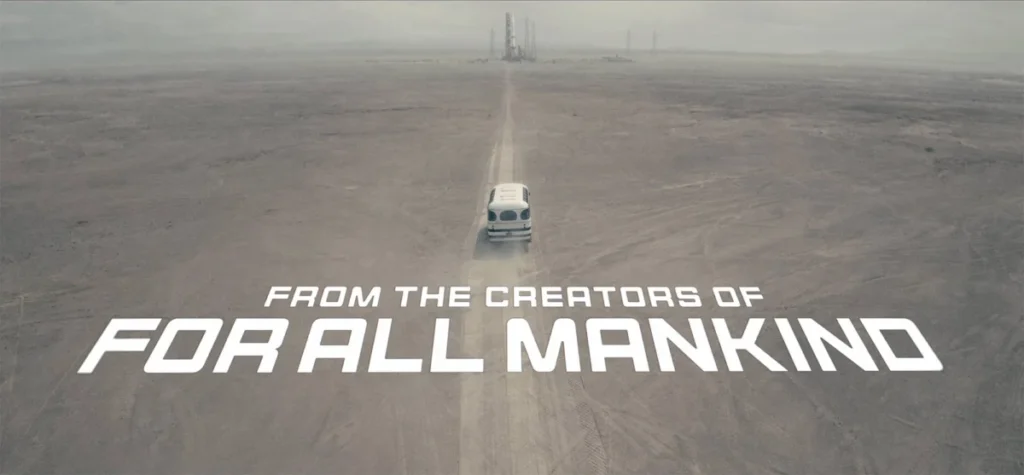

Apple TV+ has released the full official trailer for Star City, a highly anticipated spin-off series that promises to offer a compelling new perspective on the critically acclaimed alternate history drama For All Mankind. This new series delves into the untold story of the Space Race from the vantage point of the Soviet Union, exploring the monumental achievements and inherent risks undertaken by cosmonauts, engineers, and intelligence officers within the Soviet space program. The trailer offers a tantalizing glimpse into a world where the Soviet Union not only lands on the Moon first but grapples with the profound implications of that groundbreaking victory. Star City is set to premiere on Apple TV+ in May 2026, with new episodes rolling out weekly, coinciding with the news that its parent series, For All Mankind, is preparing for its sixth and final season.
A Divergent Path in the Space Race
Star City is not merely a geographical shift in perspective; it represents a fundamental re-examination of a pivotal historical period. While For All Mankind meticulously chronicled an America spurred by Soviet lunar success to accelerate its own space program, Star City pulls back the curtain on the Soviet machine. The series aims to illuminate the internal dynamics, immense pressures, and personal sacrifices that defined the Soviet Union’s pursuit of space supremacy. The narrative promises to explore the complex interplay between ambition, ideology, and the relentless pursuit of scientific advancement behind the Iron Curtain. The series creators, Ben Nedivi, Matt Wolpert, and Ronald D. Moore, the same visionary trio behind For All Mankind, have stated their intention to craft a "propulsive paranoid thriller" that captures the high stakes and pervasive atmosphere of Cold War espionage interwoven with the dreams of reaching the stars.
The premise of Star City hinges on a critical divergence point: what if the Soviet Union, rather than the United States, achieved the monumental feat of landing the first human on the Moon? This alternate timeline, explored in detail within the series, would have irrevocably altered the trajectory of human history and the geopolitical landscape of the 20th century. The series will likely explore the ripple effects of this Soviet triumph, not only in the immediate aftermath of the lunar landing but also in the subsequent decades, as both superpowers continued their race for dominance in space and beyond.

Behind the Iron Curtain: The Human Element
The core of Star City‘s narrative is set to focus on the individuals who propelled the Soviet space program forward. The series cast features a formidable ensemble of talent, including Rhys Ifans, Anna Maxwell Martin, Agnes O’Casey, Adam Nagaitis, Alice Englert, Josef Davies, Solly McLeod, and Ruby Ashbourne Serkis. These actors are tasked with embodying the hopes, fears, and dedication of the men and women who worked under the immense pressure of a totalitarian regime, where failure was not an option and success was a matter of national pride and ideological victory.
The trailer hints at the personal toll of this ambition, with characters expressing the immense weight of responsibility and the potential for catastrophic consequences. A striking line from the trailer, "I will not have any more deaths on my watch because of your paranoia!" underscores the internal conflicts and high-stakes decision-making that likely characterized the Soviet space program. The series will undoubtedly delve into the complexities of these lives, showcasing the engineers striving for technical breakthroughs, the cosmonauts facing the ultimate frontier, and the intelligence officers tasked with safeguarding national secrets and ensuring the program’s success, often through clandestine means.
Chronology of a Divergent Space Race
To fully appreciate the scope of Star City, it is essential to contextualize it within the established alternate timeline of For All Mankind. The original series posits that the Soviet Union achieved the first lunar landing in July 1969, a pivotal event that galvanized the United States and led to a significantly accelerated and more intense Space Race. This initial success by the Soviets, as depicted in For All Mankind, spurred further Soviet advancements, including the establishment of a permanent lunar base and ambitious missions to Mars.
Star City will likely pick up the narrative thread following this initial Soviet triumph. The series could explore:

- The Immediate Aftermath: How did the Soviet Union capitalize on its lunar victory? What were the internal celebrations and the subsequent strategic planning for further exploration?
- The Development of Lunar Infrastructure: The series may depict the establishment and operation of a Soviet lunar base, a crucial element in the For All Mankind universe that allowed for continuous scientific research and strategic advantage.
- The Escalation of the Space Race: With a solidified lead, how did the Soviet Union push the boundaries further? This could include more ambitious missions, the development of advanced spacecraft, and potentially even the exploration of other celestial bodies.
- The Shadow of Espionage and Internal Politics: The trailer’s emphasis on paranoia suggests that the series will explore the inherent tensions within the Soviet system. This could involve rivalries between different design bureaus, the constant threat of Western intelligence, and the ideological battles fought within the Kremlin to control the narrative and resources of the space program.
The series’ creators have indicated that Star City will showcase the "various lives of the cosmonauts, the engineers and the intelligence officers embedded among them." This suggests a multi-faceted approach, offering a panoramic view of the Soviet space effort, from the individual struggles of those on the front lines of exploration to the strategic machinations of those pulling the strings from afar.
Supporting Data and Historical Context
The Space Race between the United States and the Soviet Union was a defining feature of the Cold War, a period of geopolitical tension following World War II. Both nations poured vast resources into scientific and technological advancements, with space exploration becoming a potent symbol of national power and ideological superiority.
- The Sputnik Shock: The Soviet Union’s launch of Sputnik 1 in October 1957, the world’s first artificial satellite, sent shockwaves through the United States, prompting a national reckoning with its scientific and educational systems. This event is a foundational element of the alternate timeline.
- Yuri Gagarin’s Flight: In April 1961, Soviet cosmonaut Yuri Gagarin became the first human in space, another significant milestone for the USSR that further intensified the Space Race.
- The Moon Landing Goal: President John F. Kennedy’s 1961 declaration to land a man on the Moon before the end of the decade became the central objective of the U.S. space program, leading to the Apollo missions.
For All Mankind and now Star City reimagine this historical narrative by reversing the roles and escalating the competition. The success of For All Mankind in exploring the ramifications of an alternate Space Race suggests a strong audience appetite for such speculative historical fiction. The series’ production values, as suggested by the trailer’s depiction of 1970s space footage, aim for a high degree of authenticity, immersing viewers in the era.
Official Responses and Production Insights
The creation of Star City is a testament to Apple TV+’s commitment to expanding its slate of ambitious, high-concept series. The decision to produce a spin-off of a successful show like For All Mankind indicates a strategic approach to building a franchise. The involvement of the original creative team, Ben Nedivi, Matt Wolpert, and Ronald D. Moore, ensures a thematic and narrative continuity, while allowing for a fresh exploration of new territory.

The writers’ room for Star City includes Andrew Chambliss, George Mastras, Megan McDonnell, Gursimran Sandhu, K.C. Scott, and Liba Vaynberg, contributing to the rich tapestry of storytelling. The directorial team, comprising Nick Murphy and Stefan Schwartz, will be responsible for bringing this complex narrative to life visually. The series is produced by Tall Ship Productions and Sony Pictures Television, with executive producers Ben Nedivi, Matt Wolpert, Ronald D. Moore, Maril Davis, Andrew Chambliss, and Steve Oster overseeing the production.
The casting of a predominantly non-Russian ensemble has been noted as a curious aspect by some observers. While the actors are undoubtedly talented, the choice may raise questions about authenticity and representation, particularly for a series delving into the intricacies of Soviet culture and identity. However, the focus on the narrative and thematic elements, as well as the established credibility of the production team, suggests that the storytelling will remain paramount.
Broader Impact and Implications
The premiere of Star City on May 29th, 2026, is poised to generate significant discussion about alternate history, geopolitical rivalries, and the enduring human drive for exploration. By shifting the focus to the Soviet perspective, the series offers an opportunity to:
- Challenge Conventional Narratives: The Space Race is often viewed through an American lens. Star City has the potential to present a more nuanced and complex portrayal of Soviet ambition and the human cost of their achievements.
- Explore Themes of Sacrifice and Ideology: The series can delve into the moral and ethical dilemmas faced by individuals operating within a system that prioritized collective goals over individual freedoms.
- Reflect on the Nature of Progress: By examining a successful Soviet space program, the series may prompt viewers to consider different pathways to technological advancement and the various forms that progress can take.
The timing of Star City‘s release, as For All Mankind concludes its run, suggests a deliberate strategy to maintain audience engagement with this unique universe. The success of Star City could pave the way for further explorations within this alternate timeline, or it could stand as a compelling standalone narrative that enriches our understanding of a pivotal era in human history. The promise of a "paranoid thriller" combined with the epic scope of space exploration makes Star City a highly anticipated addition to the streaming landscape.