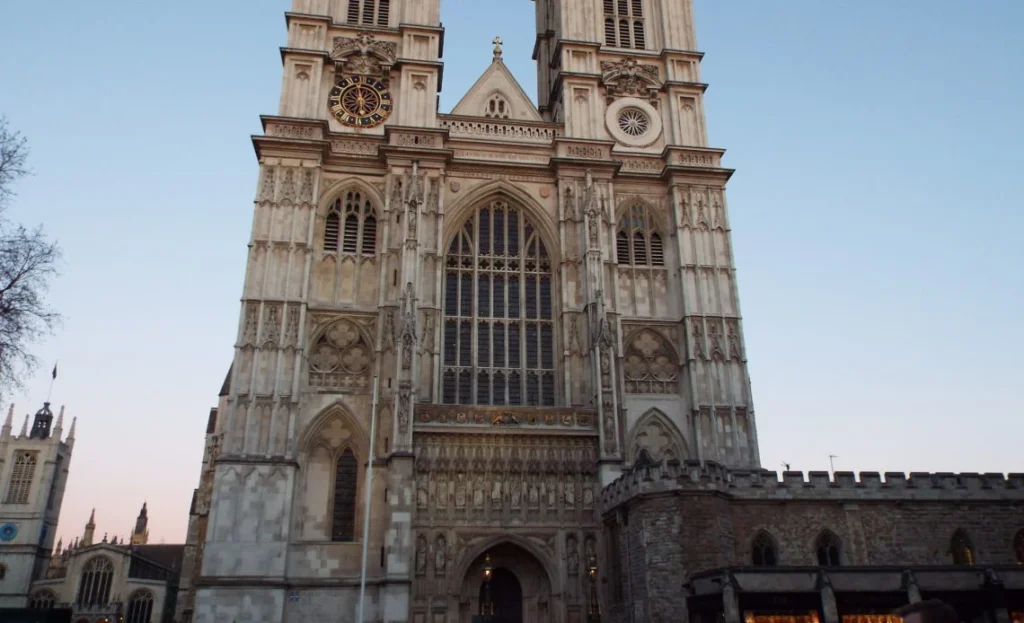

The wedding of Lady Elizabeth Bowes-Lyon to Albert, Duke of York, on April 26, 1923, at Westminster Abbey, marked a pivotal moment not only in the lives of the bride and groom but also in the annals of royal ceremonial traditions. While the union itself was a significant event, the true enduring legacy of this particular royal wedding lies in a seemingly simple gesture by the bride: the placement of her floral bouquet upon the Tomb of the Unknown Soldier. This act, deeply symbolic and profoundly poignant, initiated a tradition that has been replicated by royal brides for generations, cementing the Queen Mother’s bouquet as arguably the most famous and historically significant in royal lore.
A Gesture of Remembrance and Hope
The genesis of this now-iconic tradition occurred as Lady Elizabeth made her solemn procession into Westminster Abbey. In a moment that has since become etched in royal history, she paused at the Tomb of the Unknown Soldier, a hallowed resting place for an unidentified British soldier killed in World War I, and laid her flowers upon it. This act was far more than a simple floral tribute; it was a deeply personal expression of remembrance for her own brother, Fergus Bowes-Lyon, who had perished at the Battle of Loos in 1915, and a profound acknowledgement of the immense human cost of the Great War. The gesture resonated deeply, transforming the wedding bouquet from a mere decorative accessory into a powerful symbol of sacrifice, remembrance, and the enduring hope for peace.
The Elusive Appearance of the Celebrated Bouquet
Despite its immense historical significance, the visual record of this celebrated bouquet is surprisingly scarce. The limited photographic and cinematic capabilities of 1923, coupled with the specific timing of Lady Elizabeth’s tribute, contributed to its elusive presence in official documentation. Most official photographs and the footage captured of the couple’s balcony appearance were taken after the ceremony. As Lady Elizabeth placed her bouquet on the Tomb of the Unknown Soldier at the commencement of the service, this poignant act and the bouquet itself were not prominently featured in the post-ceremony visual records.
However, a fleeting glimpse can be observed in archival footage as Lady Elizabeth departed for her marriage. In a brief scene captured as she entered her carriage, another individual is seen holding a substantial floral arrangement. A few seconds later, the bride receives this bouquet into the coach. The flowers appear to be predominantly white, interspersed with dark foliage, and arranged in the loose, rounded style that was fashionable during that era. This brief, almost incidental, visual is believed to be the closest the public has come to seeing the bouquet that initiated such a profound royal tradition.
Unpacking the Symbolic Language of the Flowers
While the exact composition of the bouquet remains a subject of historical conjecture, contemporary accounts and the prevailing floral symbolism of the Victorian and Edwardian eras offer compelling insights. It is widely reported that the bouquet contained white roses. In the language of flowers, a practice deeply cherished during the 19th and early 20th centuries, white roses are synonymous with purity, innocence, and new beginnings – fitting sentiments for a wedding.
Adding another layer of meaning, some reports suggest the inclusion of heather. Heather holds particular significance in Scotland, a country deeply connected to the bride’s family history. Lady Elizabeth spent many cherished childhood days at Glamis Castle in Scotland, her ancestral home. Heather, in general, symbolizes good luck, a universally desired sentiment for any couple embarking on married life. Furthermore, the Victorians attributed a special meaning to white heather, viewing it as a potent signifier of the fulfillment of a dream. This adds a poignant and aspirational dimension to the bouquet, suggesting not only a wish for good fortune but also the realization of deeply held desires for happiness and a shared future.
The Historical Context: A Nation Emerging from War
To fully appreciate the weight of Lady Elizabeth’s gesture, it is crucial to understand the historical backdrop against which her wedding took place. The year 1923 marked less than a decade since the end of World War I, a conflict that had irrevocably altered the social and emotional landscape of Britain and the world. The war’s unprecedented scale of loss had left a deep scar on the nation, with countless families grieving the loss of sons, husbands, and fathers.
The Tomb of the Unknown Soldier, established in 1920, was a potent national symbol of this collective grief and remembrance. It represented all those who had fallen and whose identities were lost to the ravages of war, offering a focal point for national mourning and a solemn promise that their sacrifice would not be forgotten. By choosing to place her wedding bouquet at this site, Lady Elizabeth Bowes-Lyon was not merely participating in a personal celebration; she was weaving her private joy into the fabric of national remembrance, offering solace and hope to a nation still very much in mourning.
The Evolution of a Royal Tradition
The impact of Lady Elizabeth’s gesture was profound and enduring. While she was the first to establish this specific tradition, numerous royal brides have since followed her lead, creating a beautiful and continuous thread of remembrance and hope within royal weddings.
- Queen Elizabeth II’s Wedding (1947): In her wedding to Prince Philip, the then Princess Elizabeth’s bouquet, a cascade of white orchids and roses, was sent to the Tomb of the Unknown Warrior after the ceremony. This act directly echoed her mother’s gesture.
- Princess Anne’s Wedding (1973): Princess Anne’s bouquet, composed of lilies of the valley and freesia, was also laid on the Tomb of the Unknown Warrior.
- Lady Diana Spencer’s Wedding (1981): While not placing her bouquet on the Tomb, Diana’s own elaborate bouquet, featuring gardenias, roses, and stephanotis, was a significant element of the wedding and has been widely studied and admired, influencing bridal floral trends. Though not directly replicating the tomb tradition, her bouquet’s grandeur and symbolic weight continued the theme of the bridal bouquet as a focal point.
- Catherine Middleton’s Wedding (2011): The Duchess of Cambridge’s bouquet, featuring lily of the valley, hyacinth, and myrtle, was also left at Westminster Abbey, though the exact placement in relation to the Tomb of the Unknown Soldier was not as explicitly stated as in previous instances, the continuation of leaving the bouquet at the Abbey holds a symbolic resonance.
Each instance, while varying in the specific flowers used and the precise location of the bouquet’s placement, reinforces the underlying sentiment of remembrance, hope, and the continuation of a cherished royal lineage. The tradition has evolved, adapting to the sensitivities and customs of different eras, yet the core message of Lady Elizabeth’s original act remains.
Broader Impact and Implications
The enduring fame of the Queen Mother’s wedding bouquet transcends its floral composition. Its significance lies in its ability to connect the personal joy of a royal wedding with a broader narrative of national sacrifice and remembrance.
- Emotional Resonance: The act resonated deeply with a public still grappling with the aftermath of war. It provided a moment of shared reflection and symbolized the nation’s capacity for both profound grief and enduring hope.
- Symbol of Continuity: By initiating this tradition, Lady Elizabeth Bowes-Lyon created a tangible link between generations of royal brides and the sacrifices made by those who came before. It became a visual representation of the enduring values of duty, remembrance, and continuity within the monarchy.
- Influence on Public Perception: The story of the bouquet and its symbolic placement has undoubtedly shaped public perception of royal weddings, imbuing them with a sense of historical depth and solemnity beyond mere pageantry. It highlights that even within grand ceremonies, personal and national significance can be interwoven.
- Enduring Legacy of the Queen Mother: This act cemented the Queen Mother’s image not just as a beloved royal figure but as a woman of profound compassion and historical awareness. Her bouquet, therefore, became an emblem of her character and her deep connection to the nation’s history.
In conclusion, the wedding bouquet carried by Lady Elizabeth Bowes-Lyon on April 26, 1923, is far more than a collection of flowers. It is a potent symbol of remembrance, a testament to the enduring power of tradition, and a poignant reminder of the sacrifices that have shaped the nation. Though its visual appearance remains somewhat elusive, its historical impact is undeniable, having initiated a cherished royal wedding tradition that continues to resonate with sentiment and significance, ensuring its place as perhaps the most famous Windsor bouquet of all time.