
The Dutch capital of Amsterdam became the center of the European cultural landscape as Queen Máxima and King Willem-Alexander attended the prestigious Gala of the National Ballet. Held at the National Opera & Ballet, the event serves as the official opening of the dance season, a high-profile evening that blends artistic excellence with royal patronage. Queen Máxima, long recognized as one of the most adventurous and sophisticated figures in contemporary royal fashion, arrived in a striking red ensemble that commanded the attention of the gathered international press and the local arts community. The evening was not only a celebration of the Dutch National Ballet’s technical prowess but also a showcase of the Queen’s unique ability to blend high-end couture with accessible accessories, reinforcing her status as a global style icon.
The Sartorial Composition: A Study in Crimson
The centerpiece of Queen Máxima’s appearance was a floor-length draped caftan designed by the Italian luxury fashion house Valentino. The garment, rendered in a vibrant shade of chili red, featured the house’s signature fluid draping, which allows for both dramatic movement and a dignified silhouette. The choice of a caftan-style gown is a departure from more traditional, structured royal evening wear, signaling a preference for modern, avant-garde aesthetics that prioritize comfort without sacrificing elegance. The gown’s design utilized heavy silk crepe to create a cascading effect from the shoulders, providing a sense of regal volume that complemented the Queen’s tall stature.

The monochromatic theme of the evening was a deliberate stylistic choice. Queen Máxima has frequently utilized color blocking and single-hue ensembles to create a cohesive and powerful visual presence. The specific shade of red chosen for the gala is often associated with energy, passion, and leadership—traits frequently attributed to the Queen in her professional duties. While the gown was the focal point, the integration of specific accessories provided a nuanced layer to the overall aesthetic.
High-Low Fashion: Integrating Valentino and H&M
In a move that mirrors the strategic fashion choices of other modern royals, such as the Princess of Wales or Queen Letizia of Spain, Queen Máxima opted for a "high-low" accessory strategy. To complement the Valentino couture, she wore oversized tassel earrings from the Swedish high-street retailer H&M. This choice serves several purposes: it humanizes the royal image by showing an appreciation for accessible fashion, and it adds a playful, contemporary edge to an otherwise formal look. The tassels provided a rhythmic movement that echoed the flow of the caftan, though some fashion analysts noted that the choice of high-street jewelry alongside a major couture piece was a bold subversion of traditional royal protocol, which usually dictates the use of historic family tiaras or parures for such galas.
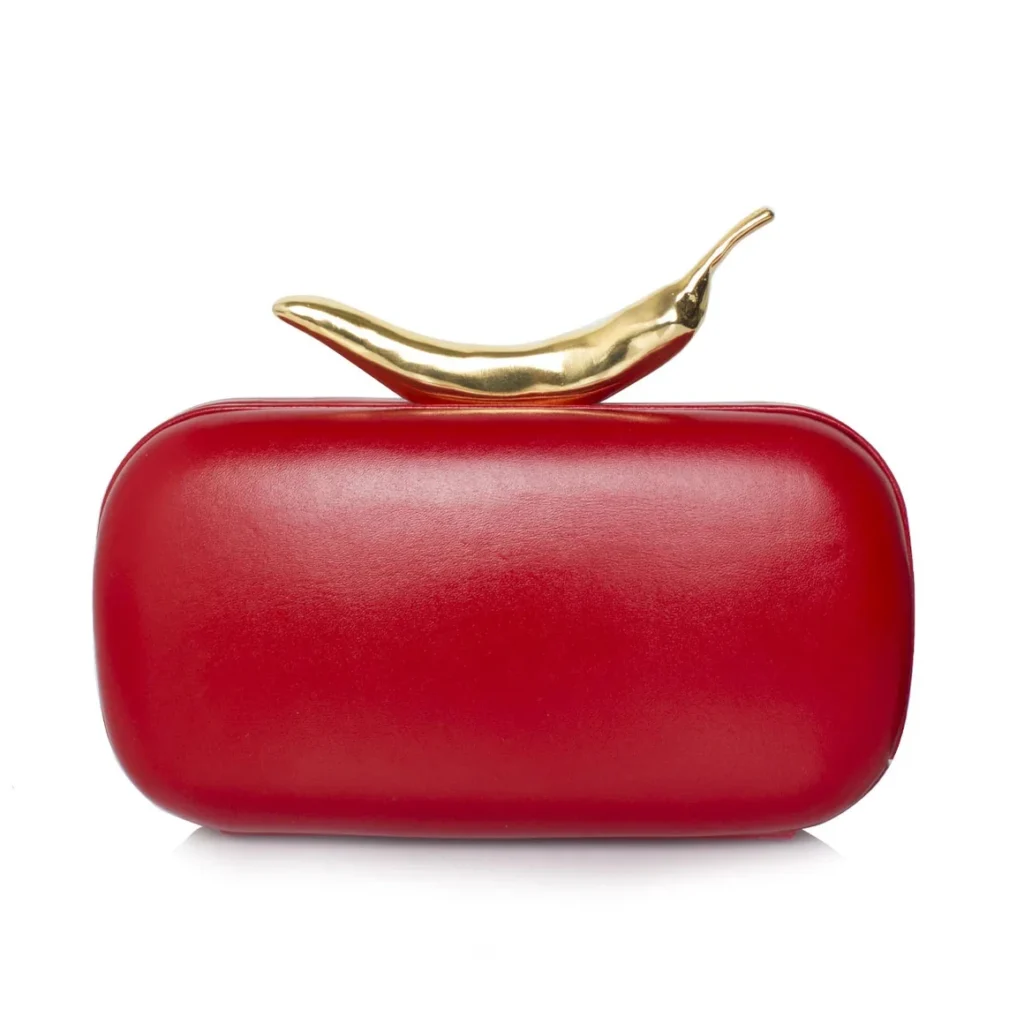
The Queen’s choice of handbag also reflected a commitment to meaningful craftsmanship. She carried a "Chili" red box clutch from Sarah’s Bag, a Beirut-based social enterprise that employs underprivileged women and female ex-prisoners. By selecting a piece from this label, the Queen subtly highlighted the importance of social responsibility and artisan empowerment, aligning her fashion choices with her broader philanthropic interests. The clutch, while matching the primary color of the gown, featured a texture that provided a subtle contrast to the smooth silk of the Valentino caftan.

Historical Context and the Role of Mellerio Jewelry
Despite the inclusion of high-street earrings, the ensemble was grounded in royal history through the inclusion of a bracelet from Mellerio dits Meller. Mellerio, known as the oldest family-owned jewelry house in the world, has a storied relationship with the Dutch Royal Family that dates back to the 19th century. The inclusion of a Mellerio piece served as a bridge between the modern, somewhat daring choices of the dress and earrings and the deep historical traditions of the House of Orange-Nassau. This balance of the old and the new is a hallmark of the Dutch monarchy’s approach to public appearances, ensuring they remain relevant in a modern democracy while honoring their ancestral legacy.
The Significance of the National Ballet Gala
The Gala of the National Ballet is one of the most significant dates on the Dutch cultural calendar. The Dutch National Ballet, founded in 1961, is the largest dance company in the Netherlands and is ranked among the top ten ballet companies in the world. The presence of the King and Queen at the season opener is a vital signal of the state’s support for the performing arts. In the Netherlands, royal patronage is not merely symbolic; it provides a platform for cultural institutions to attract funding, international talent, and public interest.
The program for the evening typically includes a mix of classical masterpieces and contemporary premieres, reflecting the company’s dual commitment to tradition and innovation. For the 2024–2025 season, the company has emphasized a diverse repertoire that challenges dancers and audiences alike. The attendance of the royal couple underscores the importance of the arts in Dutch society, particularly as the sector continues to navigate the economic challenges of the post-pandemic era.

Chronology of the Royal Attendance
The royal couple arrived at the National Opera & Ballet shortly before the start of the performance, greeted by Ted Brandsen, the Director of the Dutch National Ballet. Following the traditional arrival protocols, which included brief interactions with the board of directors and the artistic leadership, the King and Queen were escorted to the royal box.
During the intermission, the royal couple met with several lead dancers and choreographers. These private interactions are a key component of royal duty, allowing the King and Queen to express their personal gratitude for the artists’ contributions to the nation’s cultural prestige. After the final curtain call, the Queen was observed participating in the standing ovation, a gesture that was warmly received by the performers and the audience.
Professional Analysis of the Royal Aesthetic
Fashion historians and royal commentators have noted that Queen Máxima’s style has evolved significantly since her marriage to King Willem-Alexander in 2002. While her early years were characterized by more conservative, traditional suits, her tenure as Queen Consort has seen a shift toward bold silhouettes and experimental designers. Her choice of Valentino is particularly noteworthy, as the house was responsible for her iconic wedding gown. Returning to the brand for a major gala suggests a continued affinity for the Italian house’s romantic yet structured vision.

The decision to forego a brooch—a staple of royal evening wear—allowed the draping of the Valentino caftan to remain the primary focus. This minimalist approach to jewelry (aside from the statement earrings) suggests a modern interpretation of royalty that values clean lines and artistic expression over the sheer display of wealth.
Impact on the Arts and Fashion Industry
The "Máxima Effect" is a well-documented phenomenon in the Netherlands and beyond. Within hours of her appearance, the Sarah’s Bag "Chili" clutch saw a surge in online interest, and fashion blogs worldwide dissected the details of her H&M earrings. This visibility provides an invaluable marketing boost to the brands involved. More importantly, the Queen’s presence at the ballet elevates the profile of the Dutch National Ballet on the global stage.
From an economic perspective, the performing arts sector in the Netherlands contributes significantly to the national GDP and serves as a major draw for international tourism. By championing these institutions, the Royal Family plays a direct role in the country’s cultural diplomacy. The imagery of the Queen in a vibrant, confident ensemble at a world-class arts venue serves as a powerful advertisement for the Netherlands as a modern, creative, and sophisticated nation.

Future Implications for Royal Protocol
The success of Queen Máxima’s appearance at the National Ballet Gala may influence future royal dress codes. Her ability to navigate the fine line between the dignity of her office and the trends of the modern fashion world provides a blueprint for other royals. As monarchies across Europe seek to modernize and justify their roles in the 21st century, the use of fashion as a tool for relatability and cultural support becomes increasingly vital.
In conclusion, Queen Máxima’s attendance at the National Ballet Gala was a masterclass in royal branding. Through a carefully curated selection of a Valentino caftan, H&M accessories, and a socially conscious handbag, she managed to honor tradition while embracing the contemporary. The evening served as a reminder of the enduring power of the arts and the unique role that the monarchy plays in celebrating and sustaining the cultural life of the Netherlands. As the National Ballet embarks on its new season, it does so with the full and fashionable support of the Dutch throne.