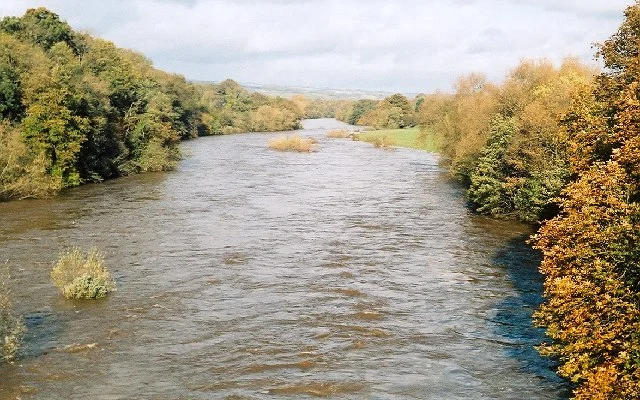

A tragic incident has cast a shadow over a Duke of Edinburgh’s Award (DofE) expedition, resulting in the death of an 18-year-old student in the River Wye near Glasbury, Powys, Wales. The young man was participating in an official expedition when he entered the water and subsequently could not be found, prompting a large-scale emergency response.
The alarm was raised on Tuesday evening when emergency services received reports that the teenager had gone into the River Wye and was missing. A significant multi-agency search operation was immediately mobilised, involving Dyfed-Powys Police, Mid and West Wales Fire and Rescue Service, Mountain Rescue teams, and the National Police Air Service. Despite extensive efforts, the body of the young man was tragically recovered from the river.
The Duke of Edinburgh’s Award organisation has confirmed that the student was on an official expedition at the time of the incident. In a statement released, a spokesperson for the DofE expressed deep sorrow and offered condolences to the family of the deceased and to all participants of the expedition. "We are deeply saddened to confirm that a young person has drowned while on a DofE expedition in Powys, Wales," the statement read. "Our thoughts are with the young person’s family, together with all those who were taking part. We will do everything we can to support them at this difficult time." The charity indicated it is collaborating closely with the student’s college and relevant authorities to ascertain the circumstances surrounding the tragedy and is providing comprehensive support to those affected.
Dyfed-Powys Police confirmed that officers were alerted to the situation at approximately 6:30 pm on Tuesday. The initial call reported that an 18-year-old male had entered the River Wye and could not be located. A police statement later confirmed the grim discovery: "Sadly, the body of a male has been located. Our thoughts are with his family and loved ones at this difficult time." Emergency services remained at the scene throughout the ongoing inquiries, and the public was requested to avoid the area to facilitate the investigation and recovery efforts. No further details regarding the identity of the teenager have been released.
Background of the Duke of Edinburgh’s Award
Founded in 1956 by Prince Philip, Duke of Edinburgh, in collaboration with educationalist Kurt Hahn and Lord Hunt, the Duke of Edinburgh’s Award programme aims to foster personal development in young people. It encourages participants to develop a range of skills through activities such as volunteering, physical activity, expeditions, and residential experiences. The programme, which has been instrumental in shaping the character and capabilities of millions of young people worldwide, is currently patronised by Prince Edward, Duke of Edinburgh, who continues to uphold his father’s legacy in championing the initiative. The DofE Award is structured across three progressive levels: Bronze, Silver, and Gold, each requiring participants to complete sections on Volunteering, Physical, Skill, and an Expedition. The Gold Award also includes a Residential Project.
Chronology of the Incident
Tuesday Evening:
- Approximately 6:30 pm: Dyfed-Powys Police receive reports of an 18-year-old male entering the River Wye near Glasbury, Powys, and subsequently going missing.
- Immediate Response: A multi-agency search operation is launched, involving Dyfed-Powys Police, Mid and West Wales Fire and Rescue Service, Mountain Rescue teams, and the National Police Air Service.
- Search Efforts: Emergency services conduct an extensive search of the River Wye and its surrounding areas.
- Discovery: Tragically, the body of the missing teenager is located and recovered from the river.
- Confirmation: The Duke of Edinburgh’s Award organisation confirms the individual was on an official expedition at the time of his death.
- Police Statement: Dyfed-Powys Police issue a statement confirming the recovery of a body and expressing condolences to the family. They also request the public to avoid the area.
The River Wye: A Natural Setting for Challenges
The River Wye, forming part of the border between England and Wales, is a renowned area for outdoor pursuits, including canoeing, kayaking, and multi-day expeditions. Its natural beauty and varied landscape make it an attractive location for organisations like the DofE to conduct their programmes. However, like any natural waterway, the River Wye presents inherent risks. Its depth, flow rate, and water temperature can fluctuate significantly depending on weather conditions and rainfall, posing potential challenges for even experienced individuals. Glasbury, a village situated on the banks of the Wye, is a common starting or stopping point for river expeditions. The river’s current can be strong in places, and submerged obstacles can be present, requiring careful navigation and constant vigilance.
Supporting Data and Safety Considerations
Duke of Edinburgh’s Award expeditions are designed with safety as a paramount concern. Participants are typically required to undergo training in relevant outdoor skills, including water safety if the expedition involves water elements. Expedition plans are rigorously assessed, and supervisors are trained to manage risks effectively. However, unforeseen circumstances can arise, and even with robust safety protocols, accidents can occur. The DofE programme mandates that expeditions are planned and supervised by qualified individuals who assess the risks and ensure appropriate safety measures are in place. This includes ensuring participants are adequately trained and equipped for the specific environment and activity. The guidelines for DofE expeditions typically involve:
- Risk Assessments: Comprehensive assessments of potential hazards and the implementation of mitigation strategies.
- Supervision Ratios: Maintaining appropriate ratios of supervisors to participants, often with specific requirements for water-based activities.
- Equipment Checks: Ensuring all equipment, including safety gear, is in good working order and suitable for the conditions.
- Contingency Planning: Developing plans for emergencies, including first aid and evacuation procedures.
- Weather Monitoring: Continuously monitoring weather forecasts and adjusting plans as necessary.
The specific details of the risk assessment and supervision for this particular expedition are likely to be part of the ongoing investigation.
Official Responses and Support Mechanisms
The Duke of Edinburgh’s Award organisation has pledged its full support to all those affected by this tragedy. This includes providing emotional and practical assistance to the family of the student, the other participants on the expedition, and the supervising staff. Working in conjunction with the student’s college, the DofE will be involved in understanding the sequence of events that led to the drowning. This collaborative approach is standard practice following serious incidents within the programme, aiming to ensure thoroughness and provide a holistic support network.
Educational institutions that facilitate DofE expeditions typically have established protocols for responding to such incidents. These often include:
- Counselling Services: Offering access to grief counsellors and mental health support for students and staff.
- Communication Channels: Establishing clear lines of communication with parents, guardians, and the wider school community.
- Review of Procedures: Conducting an internal review of expedition planning and execution to identify any lessons learned.
Dyfed-Powys Police have stated that their investigation is ongoing. The findings of this investigation will be crucial in understanding the precise circumstances and contributing factors to the incident. In cases of accidental death during organised activities, coronial inquests may also be convened to formally establish the cause of death and provide recommendations for future prevention.
Broader Impact and Implications
The tragic death of the 18-year-old student serves as a stark reminder of the inherent risks associated with outdoor and adventurous activities, even when undertaken within structured and safety-conscious programmes. It is likely to prompt a renewed focus on the safety protocols governing DofE expeditions, particularly those involving water. This incident may lead to:
- Enhanced Training Requirements: A review and potential enhancement of training modules for both participants and supervisors, with a specific emphasis on water safety and risk management in riverine environments.
- Stricter Expedition Planning Scrutiny: A more rigorous review process for expedition plans, especially for activities involving higher inherent risks.
- Public Awareness: An increased awareness among the public and participating families about the importance of safety and preparedness in outdoor challenges.
The Duke of Edinburgh’s Award programme has a long and successful track record, having positively impacted the lives of millions. However, every incident of this nature underscores the need for continuous vigilance and adaptation of safety practices to ensure the well-being of all participants. The programme’s commitment to fostering resilience, teamwork, and a spirit of adventure remains central, but it must always be balanced with an unwavering dedication to safety. The loss of a young life during such an endeavour is a profound tragedy that will undoubtedly resonate within the DofE community and beyond, prompting reflection and reinforcing the critical importance of safety in all adventurous pursuits.