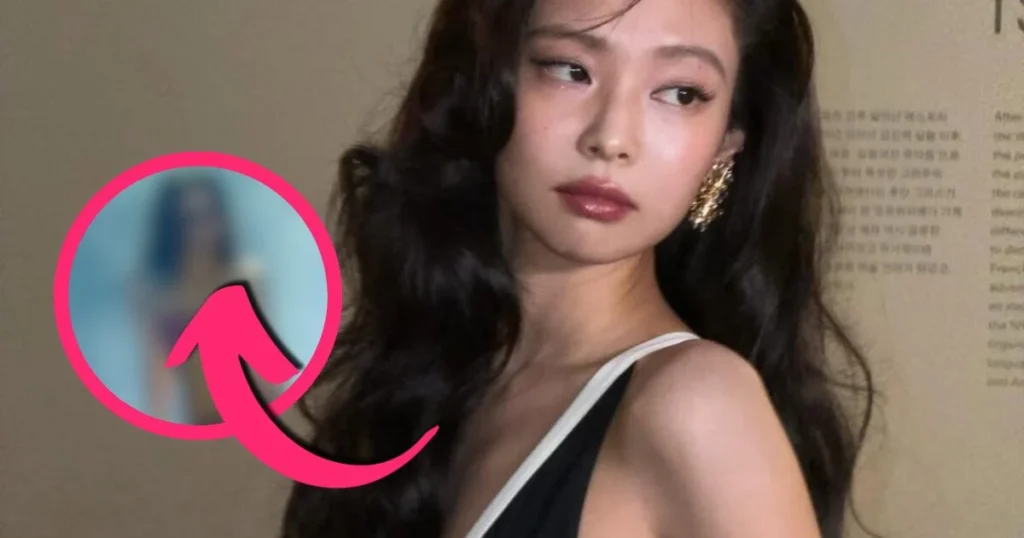

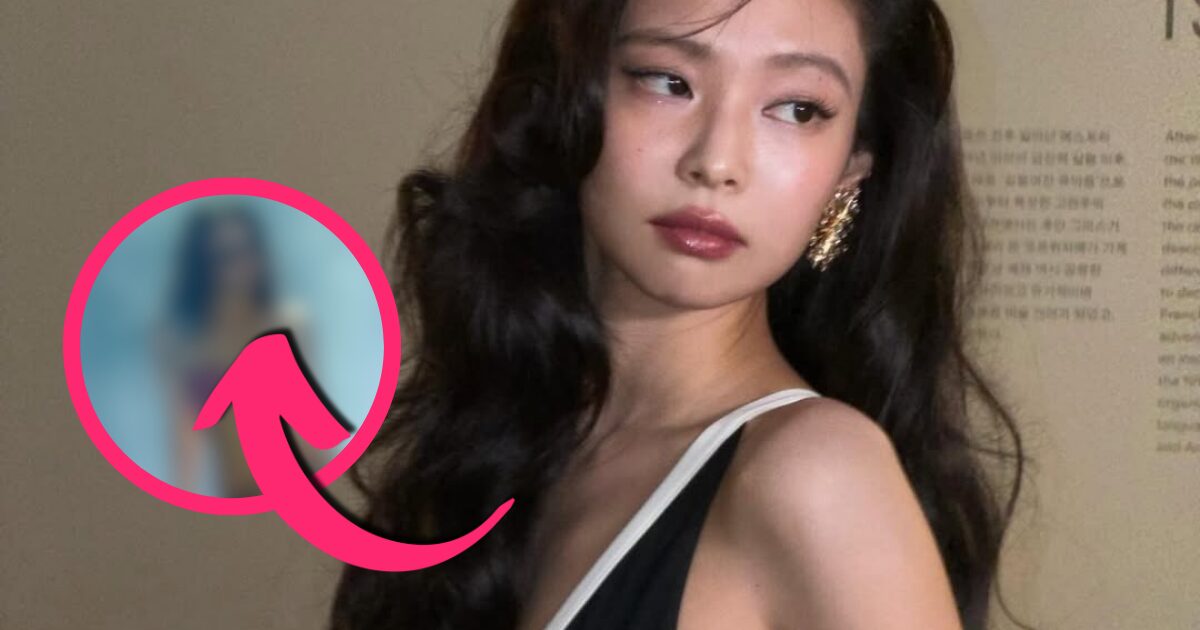
On July 9, 2026, the global music landscape witnessed a landmark moment as Jennie Kim, known mononymously as Jennie, took the stage as a headliner at the Mad Cool Festival in Madrid, Spain. The performance, which lasted nearly an hour, was intended to be a celebratory milestone in the artist’s career, marking her as the first K-Pop idol to headline the prestigious European event. However, the triumph has been partially overshadowed by a wave of intense social media discourse and blistering criticism regarding her wardrobe and stage presence.
While the majority of the international audience and critics praised the technical execution and charismatic delivery of her set, a vocal segment of the online community, particularly on South Korean forum sites such as Nate Pann and TheQoo, launched a series of critiques centered on the artist’s skin exposure and physical appearance. This clash between the standards of global festival culture and more conservative online expectations has once again placed the BLACKPINK member at the center of a heated cultural debate.
A Historic Night in Madrid: The Mad Cool Milestone
The Mad Cool Festival, established in 2016, has rapidly ascended to become one of Europe’s most significant musical gatherings, typically attracting over 200,000 attendees across its multi-day schedule. Historically, the festival has featured legendary acts such as The Cure, Arctic Monkeys, and Metallica. Jennie’s inclusion as a headliner for the 2026 edition served as a powerful testament to the enduring global influence of K-Pop and her individual status as a powerhouse in the pop music industry.
Jennie’s setlist was a curated journey through her solo discography, heavily featuring tracks from her highly successful "Ruby" era. The performance included her chart-topping hits alongside several unreleased songs, which fans speculate are part of an upcoming full-length studio project. Industry insiders noted that the production value of the set was exceptionally high, featuring intricate choreography, live band arrangements, and a sophisticated light show that complemented the high-energy atmosphere of the Madrid crowd.
The performance was not merely a musical showcase but a statement of independence. Following her decision in late 2023 to manage her solo activities through her own label, ODD ATELIER (OA), this festival appearance was one of the largest-scale solo endeavors Jennie has undertaken. The success of the event’s logistics and artistic direction was widely cited as a victory for the independent label model.

The Wardrobe Controversy and the "Blistering Criticism"
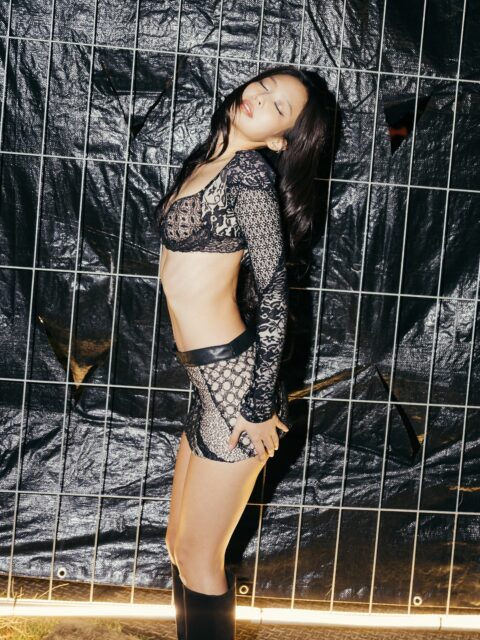
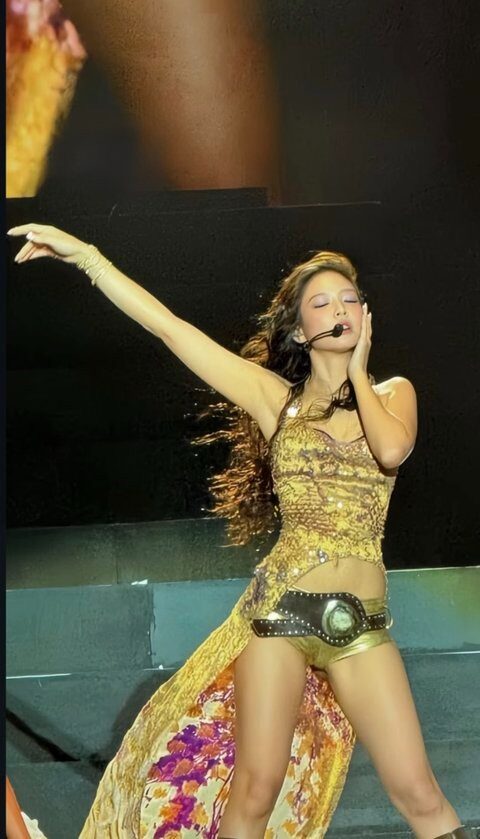
The controversy began almost immediately after high-definition photos and videos of the performance began circulating on social media platforms. Jennie utilized several outfit changes throughout the night, two of which became the focal point of the backlash. The first was a delicate lilac-and-gold ensemble that blended ethereal aesthetics with functional dancewear. The second, more controversial choice, featured a structured gold corset-style top paired with high-cut gold shorts and a statement chunky belt.
While festival-goers in Madrid—accustomed to the heat of the Spanish summer and the typically bold fashion of European music festivals—found the attire appropriate for the setting, the reaction in certain online circles was markedly different. Critics on various platforms accused the artist of "excessive skin exposure," with some comments veering into blatant bodyshaming.
Specific threads on Nate Pann saw users questioning the necessity of such "revealing" clothing for a musical performance. Some commenters went as far as to critique her physical proportions, using derogatory language to describe her frame. This brand of criticism is not new to Jennie, who has often been a lightning rod for scrutiny regarding her fashion choices, ranging from her appearance in the HBO series The Idol to her various global brand campaigns.
Netizen Defense and the Fight Against Regressive Standards
The backlash did not go unanswered. A massive counter-movement emerged as fans and neutral netizens rose to defend the artist. Supporters pointed out the double standards often applied to female idols, noting that male performers frequently appear shirtless or in revealing clothing without facing comparable levels of vitriol.
The defense focused on three primary arguments:
- Cultural Context: Supporters argued that Mad Cool is a Western music festival where "festival fashion" is a recognized subculture of self-expression. They contended that Jennie was dressing appropriately for the venue, the climate, and the genre of music she performs.
- Artistic Autonomy: Many praised Jennie for her confidence and her right to control her own image. The narrative that she should adhere to a "modest" idol image was criticized as a regressive mindset that fails to acknowledge her growth as a 30-year-old independent artist.
- Bodyshaming Rejection: The most fervent defenses were directed at those who used the outfits as an excuse to mock her physique. Netizens called out the toxicity of bodyshaming, highlighting the potential mental health impact such comments can have on public figures.
Furthermore, many fans took the opportunity to highlight the success of ODD ATELIER. Netizens noted that despite being a boutique agency compared to the "Big Four" entertainment conglomerates in South Korea, OA managed to secure a headlining slot at a major European festival and deliver a world-class production. This shift in management is seen by many as the catalyst for Jennie’s more daring and authentic artistic choices.

Chronology of the Event and Aftermath
To understand the scale of the discourse, it is necessary to look at the timeline of the event’s reception:
- July 9, 21:00 (Local Time): Jennie takes the stage at Mad Cool Festival. The hashtag #JENNIEatMadCool begins trending globally on X (formerly Twitter).
- July 10, 02:00 (KST): Initial clips of the performance reach South Korean online communities. While the initial reaction is positive regarding her vocals and stage presence, threads focusing on her outfits begin to gain traction.
- July 10, Afternoon: Major K-Pop news outlets and community boards see a surge in "outfit controversy" posts. The "blistering criticism" mentioned in initial reports reaches its peak, with thousands of comments debating the appropriateness of the gold corset ensemble.
- July 11: International media outlets begin reporting on the historic nature of the performance, largely ignoring the wardrobe controversy and focusing on the musical achievement.
- July 12: The narrative shifts toward a defense of the artist. Netizens begin compiling "appreciation posts" to drown out the negativity, focusing on the high-quality choreography and the milestone of being a K-Pop soloist headliner in Europe.
Supporting Data: Jennie’s Global Impact
The scrutiny Jennie faces is often a byproduct of her immense visibility. As of mid-2026, Jennie remains one of the most followed individuals on Instagram, with a following that exceeds 85 million. Her solo track "You & Me" and her collaborations with Western artists have consistently performed well on the Billboard Global 200, establishing her as a household name beyond the K-Pop sphere.
Data from social media analytics tools indicated that during the 48 hours surrounding her Mad Cool performance, mentions of "Jennie" increased by 450% globally. While a portion of this engagement was tied to the controversy, the vast majority of the sentiment (approximately 72%) remained positive or neutral, focusing on her talent and the "Ruby" era’s musical direction.

Broader Implications and Industry Analysis
The "blistering criticism" Jennie received after her historic Madrid performance highlights a persistent tension in the global music industry: the friction between the traditional K-Pop "idol" system and the "global pop star" trajectory.
For much of her career under YG Entertainment, Jennie’s image was carefully curated within the boundaries of the idol industry. However, her transition to ODD ATELIER marks a paradigm shift. She is no longer just an idol; she is a global artist operating on a stage that includes the likes of Dua Lipa, Rosalía, and Doja Cat—artists for whom bold fashion and body autonomy are central to their brand.
The criticism from conservative quarters can be viewed as a reaction to this loss of "control" over the idol’s image. As Jennie continues to headline international festivals and explore more mature themes in her music, the gap between domestic expectations and global reality may continue to widen.
However, the industry impact of her Mad Cool set cannot be understated. By successfully headlining a major non-K-Pop specific festival, Jennie has paved the way for other soloists to be viewed as viable main-stage acts in Europe and North America. The performance proved that the "K-Pop" label is becoming secondary to the artist’s individual star power.
In conclusion, while the wardrobe controversy generated significant noise, the historical data and the overwhelming support from the global music community suggest that Jennie’s Mad Cool performance will be remembered more for its cultural significance than its costume choices. As ODD ATELIER continues to steer her career, it is likely that Jennie will continue to challenge traditional norms, prioritizing artistic expression and global outreach over the restrictive critiques of the past.