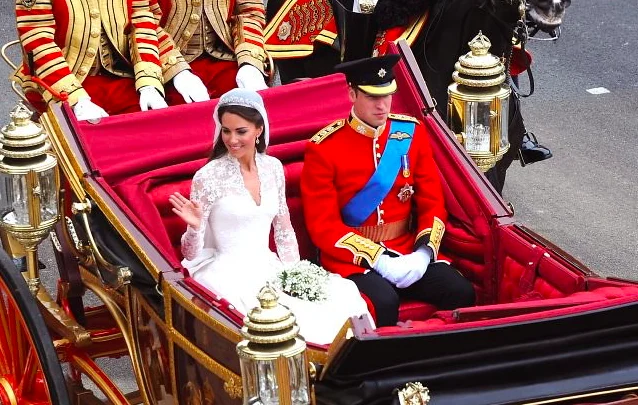

The wedding dress worn by Catherine Middleton, now the Princess of Wales, for her marriage to Prince William in 2011 remains one of the most iconic and celebrated royal bridal gowns of the modern era. The moment she stepped out of the Rolls-Royce Phantom, accompanied by her father, Michael Middleton, and began her walk towards Westminster Abbey, the world’s attention was captivated, not just by the bride herself, but by the exquisite creation adorning her. While every detail of the dress was meticulously scrutinized by fashion critics and royal enthusiasts alike, the intricate lace employed in its design sparked a particular fascination, revealing a deep connection to British heritage and artisanal skill.
The Genesis of an Iconic Gown
Designed by Sarah Burton for the esteemed British fashion house Alexander McQueen, the wedding dress was a triumph of bespoke tailoring and delicate artistry. The lace, a crucial element in its ethereal beauty, was not merely an applied embellishment but was masterfully assembled by the Royal School of Needlework (RSN). This institution boasts a prestigious lineage, tracing its origins back to 1872 when it was founded as the School of Needlework Art by Princess Christian of Schleswig-Holstein, the third daughter of Queen Victoria. The school’s significance was further cemented in 1875 when Queen Victoria herself became its first patron, leading to its renaming as the Royal School of Needlework. Today, the RSN continues its legacy, with its esteemed patronage held by Queen Camilla and its presidency by the Duchess of Gloucester, underscoring its enduring connection to the British monarchy.
A Secretive and Dedicated Process
The creation of the lace for the Princess of Wales’s gown was a project undertaken with the utmost discretion. In 2010 and 2011, the skilled embroiderers at the RSN, who were responsible for the delicate handiwork, were kept unaware of the identity of the bride. This secrecy was a key protocol to ensure the integrity and surprise of the royal wedding. The team of artisans involved in this monumental task ranged in age from a youthful 19 to a seasoned 70, representing a remarkable intergenerational collaboration of craftspeople.
To maintain the pristine condition of the delicate materials, stringent protocols were enforced throughout the process. Embroiders were required to meticulously wash their hands every 30 minutes to prevent any transfer of oils or dirt that could mar the fabric. Furthermore, to ensure the sharpness and precision of their work, needles were replaced every three hours, a testament to the demanding nature of working with such fine materials over extended periods. This dedication to detail highlights the commitment and professionalism of the RSN artisans, who were instrumental in bringing Sarah Burton’s vision to life.
The Artistry of the Lace: Tradition and Symbolism
The lace employed in the Princess of Wales’s wedding dress was a sophisticated blend of traditional Cluny and Leavers lace. Its design was also subtly influenced by the intricate patterns of nineteenth-century Carrickmacross lace, a style renowned for its delicate floral motifs and fine craftsmanship. This carefully chosen lace adorned the entirety of the gown, seamlessly integrating with the bodice, skirt, and the sweeping train, creating a cohesive and breathtaking aesthetic.
Beyond its aesthetic appeal, the lace was imbued with profound symbolic meaning, representing the unity of the United Kingdom. Woven into the intricate patterns were the national flowers of all four constituent nations: the English rose, the Scottish thistle, the Irish shamrock, and the Welsh daffodil. This thoughtful inclusion served as a beautiful and understated tribute to the diverse heritage of the United Kingdom, a sentiment that resonated deeply with the public.
The creation of these floral motifs was a multi-stage process. The core floral patterns were machine-made, leveraging modern technology for precision and efficiency. However, the crucial element of artistry came into play when these machine-made patterns were meticulously applied by hand to the delicate netting by the RSN embroiderers. This fusion of machine and handcraftsmanship ensured both the intricate detail of the design and the artisanal quality of its execution. It is noteworthy that the lace pattern itself was not entirely novel; rather, it drew upon established traditional patterns, demonstrating a deep respect for and continuation of historical lace-making techniques.
A Timeline of Royal Bridal Fashion and Craftsmanship
The 2011 royal wedding was not an isolated event in the long history of royal bridal attire; it was the culmination of centuries of tradition, evolving styles, and enduring craftsmanship.
- 1840: Queen Victoria’s wedding dress, made of Spitalfields silk and adorned with Honiton lace, set a precedent for royal brides. Her choice of a white satin gown and lace trim became the prevailing trend for bridal wear, moving away from previous colourful and luxurious fabrics. The lace on her dress was also a significant undertaking, showcasing the artistry of the time.
- 1863: Princess Alexandra of Denmark’s wedding dress to the future Edward VII featured a distinctive Cornish guipure lace, further highlighting the importance of regional British lace-making traditions in royal weddings.
- 1923: Lady Elizabeth Bowes-Lyon’s (the future Queen Elizabeth The Queen Mother) wedding dress to the Duke of York (later King George VI) was crafted from pale blue silk and featured intricate embroidery. While not lace-centric, it continued the trend of significant artisanal embellishment.
- 1947: Princess Elizabeth (the future Queen Elizabeth II) wore a Norman Hartnell gown for her marriage to Prince Philip. This dress was made of ivory silk and was heavily embellished with pearls and crystals, with a significant amount of appliqué lace. The lace was supplied by the House of Eeade, and the appliqué was undertaken by the Royal School of Needlework, demonstrating the RSN’s ongoing role in royal bridal attire. The design of her dress was influenced by the post-war austerity, with the bride using clothing coupons saved from her ration allowance to purchase the fabric.
- 1981: Lady Diana Spencer’s wedding dress, designed by David and Elizabeth Emanuel, was a dramatic and opulent creation featuring a voluminous skirt and a train that measured an astonishing 25 feet. It was heavily embellished with sequins and over 10,000 pearls, with antique lace from the 18th century used on the cuffs and the hem of the petticoat, adding a layer of historical connection.
- 2011: Catherine Middleton’s wedding dress, designed by Sarah Burton for Alexander McQueen, continued the tradition of showcasing exquisite craftsmanship and symbolic national elements. The meticulous assembly of the lace by the Royal School of Needlework underscored the importance of preserving and celebrating traditional textile arts.
Supporting Data and Context
The 2011 royal wedding was a global event, watched by an estimated 2 billion people worldwide. The economic impact was also significant, with a boost to tourism and retail in the UK. The dress itself, valued at an estimated £250,000 at the time, was not just a fashion statement but a piece of living history, connecting the present royal family to centuries of British craftsmanship and tradition.
The Royal School of Needlework’s involvement in the Princess of Wales’s wedding dress was a significant endorsement of their expertise. The RSN trains around 400 students a year in various embroidery techniques, from traditional hand embroidery to goldwork and tapestry. Their graduates go on to work on a variety of high-profile projects, including ecclesiastical commissions, interior design, and costume design for film and theatre. The inclusion of the RSN on the royal wedding project not only provided a platform for their exceptional skills but also highlighted the enduring value of heritage crafts in contemporary society.
Official Responses and Reactions
While direct statements from the designers and the RSN embroiderers during the secretive period of creation were understandably limited, the eventual unveiling of the dress and the subsequent information released garnered widespread admiration. Sarah Burton, in a statement following the wedding, described the dress as "the most beautiful dress I have ever made." The Royal School of Needlework, in later interviews and publications, spoke with pride about their contribution, emphasizing the dedication and skill of their embroiders and the importance of the project in preserving and showcasing traditional lace-making techniques.
The public reaction was overwhelmingly positive, with many praising the dress for its elegance, timeless design, and the thoughtful incorporation of national symbolism. The choice to collaborate with a British designer and a British institution like the RSN was widely seen as a celebration of national talent and heritage. The dress quickly became a benchmark for royal bridal fashion, influencing wedding trends for years to come.
Broader Impact and Implications
The Princess of Wales’s wedding dress served as a powerful testament to the enduring relevance of traditional craftsmanship in the 21st century. In an era often dominated by mass production and fast fashion, the meticulous handwork and dedication involved in creating such a gown sent a clear message about the value of artisanal skills and heritage arts.
The collaboration with the Royal School of Needlework also brought significant attention to the institution, likely inspiring a new generation of aspiring embroiderers and textile artists. It underscored the fact that these traditional skills, far from being obsolete, are vital for creating unique, meaningful, and historically significant pieces.
Furthermore, the dress’s design, with its subtle yet deliberate inclusion of national floral emblems, resonated with a sense of national pride and unity. It demonstrated how fashion can be a powerful medium for conveying cultural identity and shared heritage. The choice of a British designer and the use of British craftsmanship reinforced this narrative, making the gown more than just a wedding dress; it became a symbol of national pride and the rich tapestry of British culture. The legacy of this dress continues to inspire, reminding us of the beauty that can be achieved when tradition, artistry, and royal heritage converge.