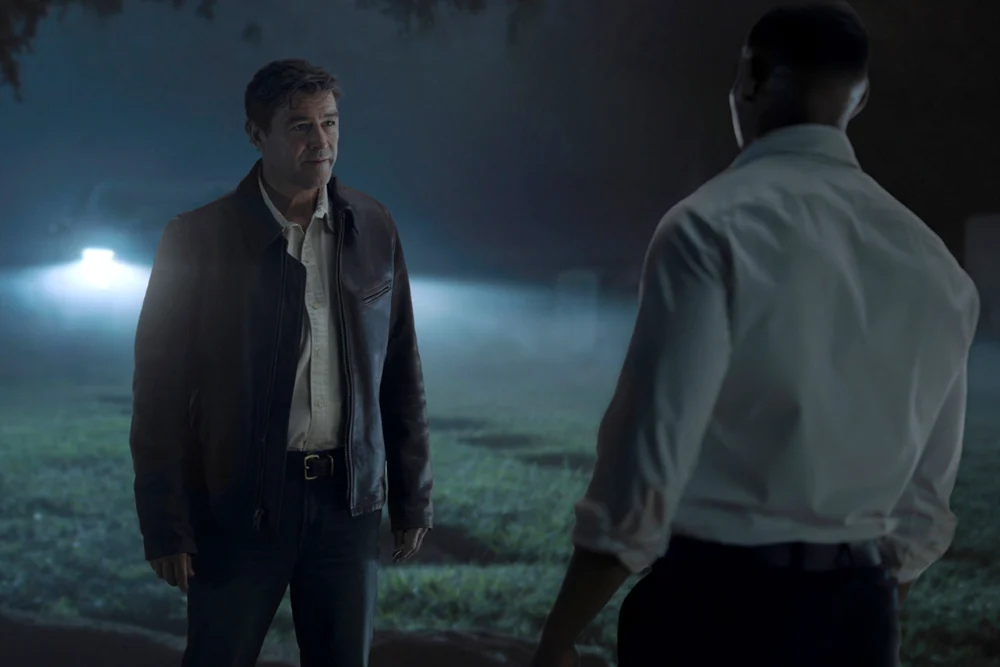

The seventh episode of the HBO and DC Studios prestige drama series Lanterns pivots away from standard procedural galactic combat to examine the psychological architecture of its central protagonists. Titled to reflect generational trauma, the latest installment balances high-concept comic book mythology with heavy emotional beats reminiscent of peak-television anti-hero dramas from the previous decade. By shifting focus toward the late Hal Jordan’s formative years and the complex, evolving dynamic between Hal and John, the series offers a rigorous examination of how fear, grief, and familial expectation shape legacy heroes within the modern television landscape.
Main Facts and Narrative Progression
The narrative of Episode 7 centers on two concurrent tracks: an exploration of Hal Jordan’s traumatic past via flashback sequences and the continued unravelling of his murder mystery through the presence of the "Halogram"—a sentient, corporeal projection of Hal that exists independently of the Green Lantern ring. As John attempts to navigate his own guilt regarding the events in Rushville, Nebraska, he finds himself shackled to a manifestation of Hal that possesses independent thought, emotional capacity, and memories of a life cut short.
Throughout the episode, the relationship between John and the Halogram evolves from adversarial tension to a fragile, symbiotic partnership. The revelation that the Halogram can maintain its physical form without the ring introduces significant lore implications regarding willpower and construct creation, challenging established rules of the DC Universe while keeping the core investigative plot moving forward.
Chronology and Flashback Analysis
The structural core of the episode relies heavily on an extended flashback sequence detailing Hal’s relationship with his father, Martin Jordan. Utilizing visual tropes common to mid-2010s prestige television—complete with slow-motion sequences and melancholic musical cues—the narrative establishes the origin of Hal’s signature bravado and defensive arrogance.
Martin Jordan’s trajectory is revealed to be far darker than previously acknowledged, culminating in a death by suicide that reframes Hal’s past statements regarding fear and loss. The sequence introduces a physical lockbox motif, a burden passed down from father to son that serves as a literal and metaphorical container for family secrets. This generational burden directly mirrors the overarching thematic thesis of the series: that true fear is not an external cosmic threat, but an inherited psychological condition passed down through family lines.
The chronology then shifts back to the present day, where John and the Halogram embark on a journey to a remote storage facility in Nebraska. There, they retrieve an Einstein-Rosen Blob—a pocket universe storage device containing an abandoned, desolate planet. This detour leads them to a haunting discovery regarding an ancient massacre tied to Antaan’s people, utilizing fear gas as a narrative device to force both characters to confront their deepest psychological vulnerabilities.
Background Context and Comic Book Integration
For long-time comic book enthusiasts, the episode is densely packed with Easter eggs and subtle nods to DC lore, particularly the inclusion of references to Mogo and the systemic manipulation by cosmic entities. Series co-creator Tom King’s influence is acutely felt throughout the episode, as the exploration of damaged men grappling with systemic trauma aligns closely with his critically acclaimed literary style in print media.
The introduction of the desolate alien world—populated by the skeletons of a civilization destroyed by internal paranoia—serves as an externalized manifestation of the characters’ internal conflicts. The narrative deliberately juxtaposes the cosmic scale of the Green Lantern mythos with intimate, claustrophobic character studies, highlighting the human cost of carrying the ring. Furthermore, the episode drops heavy hints regarding the involvement of classic villains such as Sinestro, setting up a high-stakes confrontation for the forthcoming season finale.
Character Dynamics and Performances
The chemistry between the lead performers anchors the more surreal narrative swings of the episode. The shifting power dynamic—where an older, burdened John assumes a position of strategic planning while a younger, pre-tragedy Halogram displays unexpected empathy—revitalizes the central partnership.
Supporting performances, notably Kelly Macdonald’s layered portrayal of local figures caught in the web of Rushville’s complicated socio-political landscape, add ambiguity to the investigation. Macdonald’s interactions with the Halogram blur the line between innocence and complicity, leaving viewers to question the true motives of the town’s residents. The script effectively utilizes these grounded interactions to ground the cosmic absurdity of pocket dimensions and sentient holograms in recognizable human stakes.
Broader Impact and Implications for the Series
As Lanterns approaches its season finale, Episode 7 successfully consolidates its primary themes. By explicitly linking the psychological vulnerability of its heroes to the cosmic threats they face, the series elevates itself above standard superhero adaptations. The revelation that the Jordan family lineage is marked by a history of depression and suicide provides a sobering counterweight to the traditional power fantasies of the genre.
The integration of classic narrative tropes from the prestige television era—while occasionally drawing criticism for leaning into established cliches—serves a distinct purpose in deconstructing the archetype of the fearless space cop. By the time the episode reaches its climax, with the tragic realization that Hal’s fearlessness was merely a symptom of profound emotional damage, the narrative has effectively reframed the stakes for the remaining episodes.
With the mystery of Hal’s murder nearing its resolution and the shadow of Sinestro looming large over the narrative, the series has positioned all its narrative pieces for a definitive conclusion. The convergence of personal accountability, generational trauma, and cosmic horror ensures that the finale will test not only the physical strength of its protagonists, but their ability to break the cycles of fear that defined their predecessors.