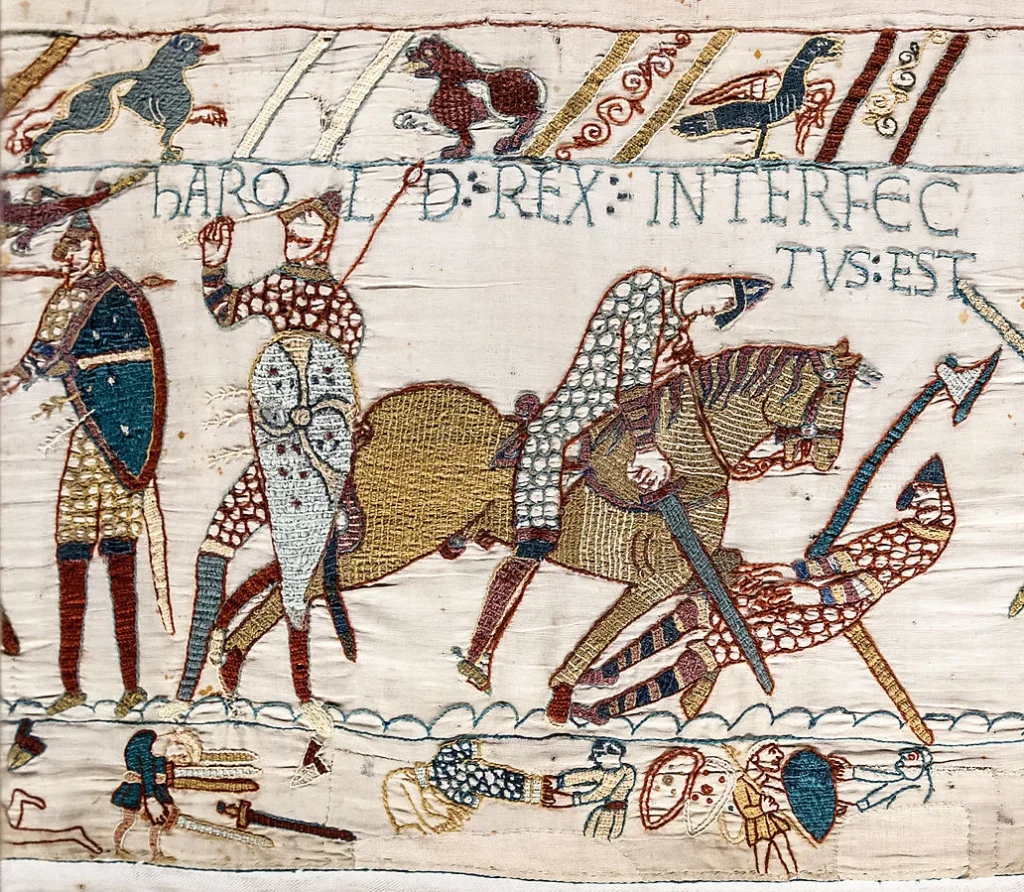

The historic display of the Bayeux Tapestry at the British Museum has drawn immense public attention, but it has also sparked a debate regarding visitor access and institutional policy. Just weeks after the legendary 11th-century artifact arrived in England for the first time in nearly a millennium, museum administrators enacted a comprehensive ban on photography within the exhibition space. The decision, aimed at managing crowd flow and mitigating congestion along the 70-foot-long viewing corridor, has drawn criticism from heritage advocates, historians, and ticket-holding members of the public who argue that the restriction curtails personal engagement with a foundational piece of European history.
The Bayeux Tapestry, an embroidered masterpiece chronicling the events leading up to the Norman Conquest of England in 1066 and the pivotal Battle of Hastings, is currently housed in London under a landmark loan agreement with French cultural authorities. Scheduled to remain on display until July of next year, the exhibition has experienced unprecedented demand, with tens of thousands of advance-sale tickets already claimed. However, the logistical challenge of accommodating large crowds through a tightly scheduled, timed-entry system has prompted strict operational measures, culminating in the recent prohibition of all personal cameras and smartphones inside the gallery.
Operational Pressures and the Rationale for the Ban
According to representatives for the British Museum, the decision to restrict photography was driven by the necessity to maintain a steady and predictable movement of visitors through the exhibition galleries. Given the immense length of the artifact and the narrow physical parameters of the viewing area, even minor pauses by individuals attempting to capture images can create cascading bottlenecks. Museum officials noted that congestion not only compromises the visitor experience for those further back in the queue but also places strain on gallery staff tasked with keeping the exhibition space clear.
In an official statement addressing the policy change, the British Museum emphasized that institutional priorities center on equity of access and spatial safety. "There has been enormous interest in viewing the tapestry, and our priority is to ensure that all visitors have the best experience possible," the statement read. "In order to do this, we have made the decision to restrict photography while people are moving along the length of the tapestry."
Despite these administrative justifications, the ban has raised questions regarding the balance between crowd management and public access. Critics of the policy point out that while the restriction is framed as a logistical necessity rather than a conservation measure—the textile’s delicate condition is managed through rigorous environmental controls—it nonetheless deprives visitors of a standard contemporary method for recording educational and cultural experiences.
Historical Context and the Significance of the Loan
The current exhibition represents a milestone in international cultural exchange. Commissioned likely in the late 11th century—traditionally attributed to Bishop Odo of Bayeux, the half-brother of William the Conqueror—the tapestry serves as a dual historical document and a masterwork of Romanesque art. Measuring approximately 0.5 meters wide by nearly 68.3 meters long (roughly 224 feet in total, though portions are displayed differently depending on institutional layout), the linen embroidery employs wool yarn in eight distinct colors to depict 57 separate scenes.
The narrative details the complex political maneuvers of Anglo-Saxon England and the Duchy of Normandy, culminating in the death of King Harold Godwinson at the Battle of Hastings on October 14, 1066. Beyond its military narrative, the tapestry functions as an invaluable visual source for medieval scholarship, offering detailed depictions of 11th-century architecture, seafaring technology, weaponry, and daily social structures. Long recognized as a masterpiece of early medieval visual propaganda, the artifact was originally designed to convey a specific political narrative to a largely illiterate populace, utilizing sequential imagery to legitimize the Norman conquest.
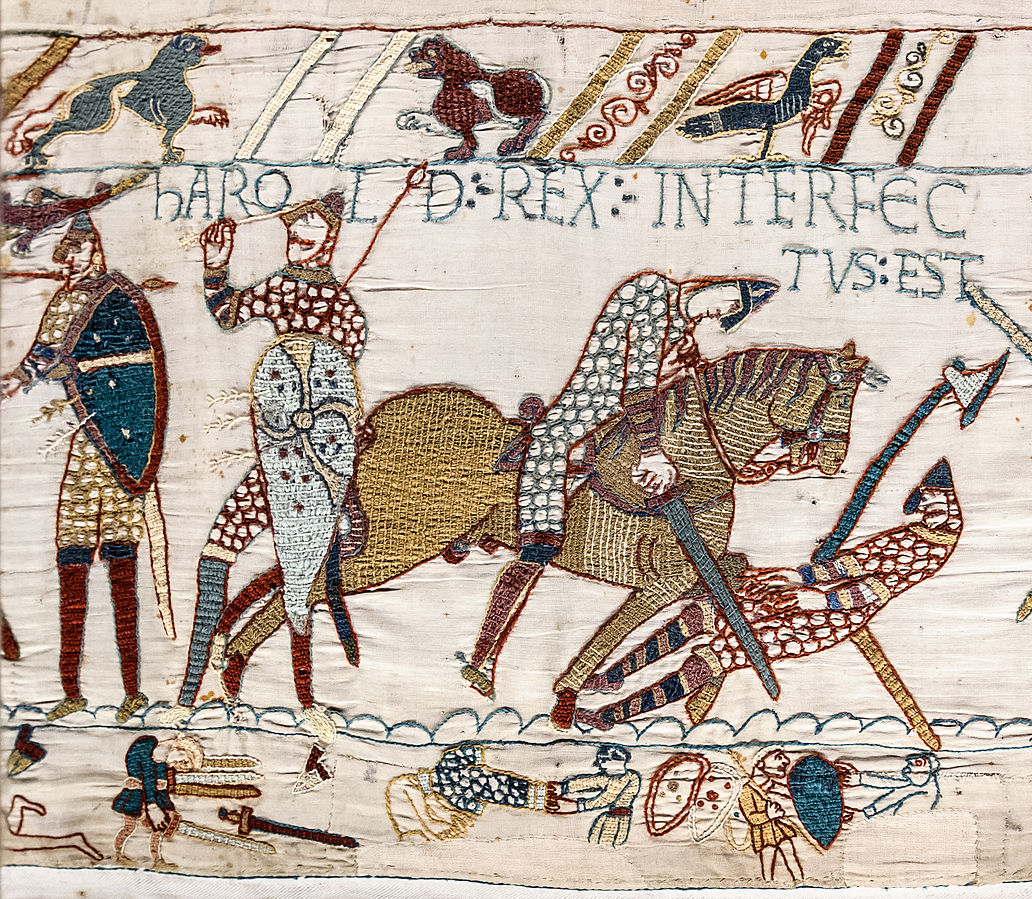
For generations, viewing the tapestry required travel to its permanent home at the Musée de Bayeux in Normandy, France. Proposals to temporarily relocate the artifact to the United Kingdom have been debated by British and French heads of state for decades, with feasibility studies repeatedly stalled by concerns over the physical vulnerability of the fragile textile. The successful negotiation of the current loan agreement marks the first time the artifact has crossed the English Channel since its creation, transforming the British Museum exhibition into a once-in-a-generation cultural event.
Chronology of the Exhibition and Policy Shift
The timeline of the exhibition underscores the rapid escalation of logistical challenges faced by the host institution:
- Early 2024: Cultural ministries of the United Kingdom and France finalize the historic loan agreement, scheduling the transfer of the Bayeux Tapestry to the British Museum for late 2025.
- Autumn 2025: The exhibition opens to the public under a timed-entry ticketing system designed to regulate visitor volume and protect the gallery environment.
- Weeks Following the Opening: High public demand leads to continuous queues, with administrators observing significant pedestrian traffic jams caused by visitors stopping to take photographs, record video clips, and produce social media content.
- Recent Announcement: The British Museum institutes a blanket ban on all photography within the tapestry exhibition space, shifting enforcement responsibilities to gallery attendants and restricting visitors to memory and official merchandise.
Analysis of Implications for Visitors and Researchers
The implementation of the photography ban highlights a broader tension within modern museum administration: the friction between digital-era documentation habits and traditional gallery etiquette. In contemporary cultural institutions, the ability to photograph exhibits has become an expected component of public engagement. For many patrons, capturing an image serves not only as a personal memento of a significant cultural encounter but also as a tool for independent study and reflection.
Cultural analysts note that while the rise of content creation and extended self-documentation has complicated crowd control in high-profile exhibitions, blanket bans risk alienating general audiences who do not engage in disruptive behavior. Observers argue that targeted enforcement—such as addressing prolonged pauses, tripod usage, or video recording that obstructs pathways—might achieve the desired fluidity of movement without imposing a total prohibition on casual snapshot photography.
Furthermore, academic and historical researchers have expressed concern over the broader implications for informal study. While professional historians rely on high-resolution archival imagery provided by museums, the ability of educators, students, and amateur historians to capture specific details for immediate reference is hampered by such restrictions. The reliance on postcards and souvenirs as the sole alternative for visual retention contrasts sharply with the digital accessibility standard prevalent in most major international galleries today.
Institutional Balance and Future Outlook
As the exhibition continues its run toward the scheduled conclusion in July of next year, the British Museum faces the ongoing challenge of balancing the preservation of order with the public’s desire for an unhindered cultural experience. The policy regarding photography remains in effect, with security and gallery staff tasked with enforcing the rules along the length of the display.
The debate over the Bayeux Tapestry photography ban reflects a critical conversation within the museum sector regarding how public institutions accommodate mass tourism in the digital age. As historic artifacts of global significance continue to draw unprecedented crowds, institutions must navigate the complex demands of logistical efficiency, artifact preservation, and the evolving expectations of a public accustomed to documenting their engagement with shared human heritage.