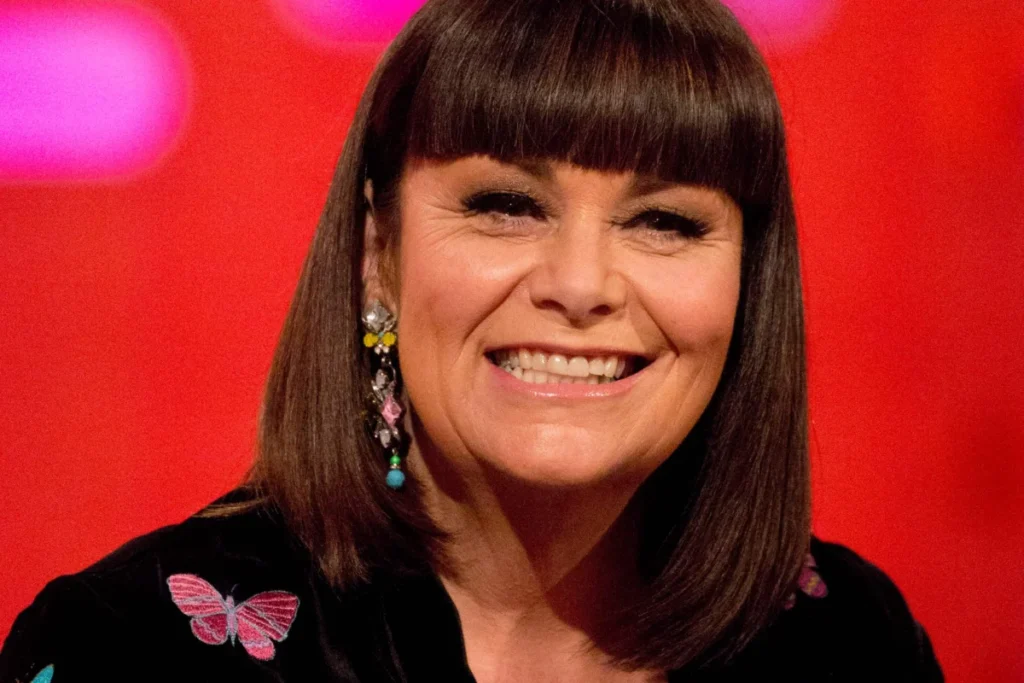

The acclaimed comedian, actress, and author Dawn French delivered a poignant address at the Hay Festival on Saturday, offering a rare and deeply personal insight into the profound grief she experienced following her father’s suicide and the pivotal role her lifelong friendship with Jennifer Saunders played in her recovery. Her candid reflections not only underscored the enduring strength of her bond with Saunders, a partnership that blossomed into the iconic comedy duo French and Saunders, but also highlighted her evolving commitment to destigmatizing conversations around mental health and end-of-life decisions, themes she explores in her latest novel, Enough.
A Personal Tragedy and a Mother’s Strength
French, best known to millions for her groundbreaking work alongside Jennifer Saunders in their eponymous BBC sketch show, which captivated audiences from 1987 to 2005, spoke openly about the devastating loss of her father, Denys French, an RAF officer, who took his own life when she was just 19 years old. This deeply personal tragedy, which occurred in 1977, left an indelible mark on French’s formative years. The societal understanding and discourse surrounding suicide in the late 1970s were vastly different from today, often shrouded in silence, shame, and a pervasive stigma that made open discussion challenging for affected families.
Despite the immense personal upheaval, French recounted the remarkable resilience and foresight of her mother. "I went straight to college within weeks of my dad dying and my mum insisted on that," French revealed. Her mother, whom she described as a "massively strong, incredible woman," steadfastly refused to allow her daughter to remain at home to care for her. This insistence on maintaining a semblance of normalcy and pursuing her education proved to be a critical turning point for French. "She wanted us to carry on as normal and do the best we could," French explained, emphasizing her mother’s determination to ensure her children’s future despite their collective grief. This decision, though difficult at the time, inadvertently set the stage for one of the most significant relationships of her life.
The Genesis of a Legendary Partnership: Meeting Jennifer Saunders
It was in this vulnerable state, "dripping with grief and pretending to be cheerful," that Dawn French arrived at the Central School of Speech and Drama in London in the late 1970s. It was there she encountered Jennifer Saunders, a meeting that would not only forge a legendary comedic partnership but also provide French with an invaluable source of emotional support. French recalled how Saunders, whom she affectionately referred to as "Fatty" at the time, "very much, very quickly saw through all this" pretense of cheerfulness. This immediate recognition of her hidden pain marked the beginning of a profound connection.
Beyond Saunders’ empathetic understanding, French also found unexpected solace and paternal guidance from Jennifer’s father. "Whose dad was amazing to me, you know. The minute he met me and knew my story, he sort of stepped up as a bit of a surrogate dad to me, and so that’s a brilliant thing that happened there," French shared. This surrogate father figure provided a crucial anchor during a period of immense personal instability, highlighting the often-underestimated power of extended support networks in navigating complex grief. The bond formed between French and Saunders, rooted in shared experiences and profound mutual understanding, laid the bedrock for a friendship and professional collaboration that has spanned over four decades.
A Career Forged in Comedy: French & Saunders’ Enduring Legacy

Their formative years at drama school saw French and Saunders hone their comedic craft, eventually becoming key figures in the burgeoning alternative comedy scene of the early 1980s. They were part of The Comic Strip Presents…, a groundbreaking series that launched the careers of many prominent British comedians. Their unique blend of observational humour, satirical sketches, and witty parodies quickly distinguished them.
The duo truly became household names with the launch of French and Saunders on BBC Two in 1987. The show, which ran for two decades, redefined sketch comedy with its clever writing, impeccable timing, and unforgettable characterizations. From their iconic spoofs of popular films like The Silence of the Lambs and Titanic to their self-deprecating humor and sharp commentary on celebrity culture, French and Saunders left an indelible mark on British television. They were lauded for their ability to blend highbrow satire with broad, accessible comedy, appealing to a wide demographic. The show’s success was not just in its humor but in the palpable chemistry and deep affection between the two performers, which resonated deeply with audiences.
Beyond their flagship sketch show, their collaborations have been extensive and varied. They co-starred in the sitcom Girls On Top in the mid-1980s, embarked on hugely successful live comedy tours such as Still Alive (2008), and continued to delight fans with more recent projects, including their popular podcast, French And Saunders: Titting About, launched in 2020. Their partnership is a testament to an enduring friendship that has weathered the pressures of fame and personal challenges, consistently producing work that is both critically acclaimed and beloved by the public. Dawn French’s individual career has also flourished, notably as the star of the hugely successful BBC sitcom The Vicar of Dibley, further cementing her status as a national treasure.
The Hay Festival Platform: Discussing Enough and Confronting the Past
Dawn French’s appearance at the Hay Festival on Saturday was primarily to discuss her latest novel, Enough, a work of fiction that delves into the complex and often sensitive territory of control over end-of-life decisions. The Hay Festival, an internationally renowned literary event held annually in Hay-on-Wye, Wales, provides a prestigious platform for authors, thinkers, and artists to engage with audiences on a wide range of topics. Choosing this esteemed forum to share such a deeply personal and previously guarded aspect of her life underscored the significance of French’s revelation.
French articulated her intention for Enough to be a "life-affirming book" despite its focus on the end of life. This perspective reflects a growing societal conversation about dying with dignity, patient autonomy, and the importance of open communication regarding end-of-life wishes. By intertwining the themes of her novel with her personal experience of profound loss, French offers a unique and empathetic lens through which to explore these universal human concerns.
Speaking to Reverend Richard Coles on stage, French elaborated on why she had, for many years, kept the circumstances of her father’s death private. "For a long time I didn’t tell people… what had happened in our family, because of how taboo it is, and all the shame that goes with it," she confessed. This statement resonates with countless individuals and families who have experienced similar tragedies, often feeling compelled to silence due to societal judgment and a lack of understanding surrounding mental health crises. The stigma associated with suicide can isolate individuals and prevent them from seeking necessary support or processing their grief openly.
De-stigmatizing Suicide: A Public Figure’s Powerful Statement
French’s decision to break her silence now is a powerful act of advocacy. She explained that "as I’ve grown older and grown into my forgiveness for my dad and my understanding about it, I absolutely refuse to have any of that around it, and I think one of the reasons I’ve written this book is because I want to talk about it." This journey of forgiveness and understanding is a testament to personal growth and a conscious rejection of the historical shame associated with suicide.

The impact of public figures like Dawn French speaking out about their experiences with mental health and suicide cannot be overstated. When a beloved and respected personality shares such vulnerable details, it helps to normalize these conversations, dismantle long-held taboos, and encourage others to seek help or offer support without fear of judgment. Historically, mental health issues, particularly suicide, were often whispered about, if at all, and frequently misattributed or ignored. Over the past few decades, there has been a significant shift towards greater openness, driven by advocacy groups, healthcare professionals, and individuals who have courageously shared their stories.
Organisations like Samaritans, which French acknowledged by including their helpline information, play a vital role in providing confidential emotional support to those in distress and campaigning for better mental health services. The fact that French, through her platform, is actively contributing to this dialogue marks a significant moment, reminding us that even those who bring us the most laughter carry their own profound stories of resilience and healing. Her willingness to discuss her father’s death openly aligns with a broader movement to treat mental health with the same seriousness and compassion as physical health.
The Enduring Legacy: Friendship, Advocacy, and Art
Dawn French’s Hay Festival address was more than just a promotional event for her new book; it was a deeply human moment of shared vulnerability and strength. Her reflections underscored the multifaceted nature of her legacy: not only as a trailblazing comedian and actress who has entertained generations, but also as an increasingly thoughtful author and advocate. Her work, both on stage and in print, now often intersects with her personal journey, offering audiences not just entertainment but also profound insights into the human condition.
The enduring power of friendship, exemplified by her bond with Jennifer Saunders, stands as a beacon of hope, demonstrating how crucial support systems are in navigating life’s most challenging moments. From the initial empathy Saunders offered to the surrogate paternal comfort provided by her father, the foundation of their relationship was built on understanding and unwavering support during French’s time of deepest grief. This personal narrative adds another layer of appreciation for the comedic genius of French and Saunders, revealing the depth of their connection beneath the laughter.
As French continues to evolve in her career, her commitment to fostering open conversations about difficult subjects, whether through fiction in Enough or through personal testimony, serves as a powerful reminder of the transformative potential of honesty and compassion. Her journey from silent grief to public advocacy exemplifies how personal experiences, when shared with courage, can contribute significantly to societal understanding and healing, inspiring countless others to confront their own stories with greater openness and less shame.
— Samaritans can be contacted for free, day or night, 365 days a year, on 116 123, or visit samaritans.org to find your nearest branch.