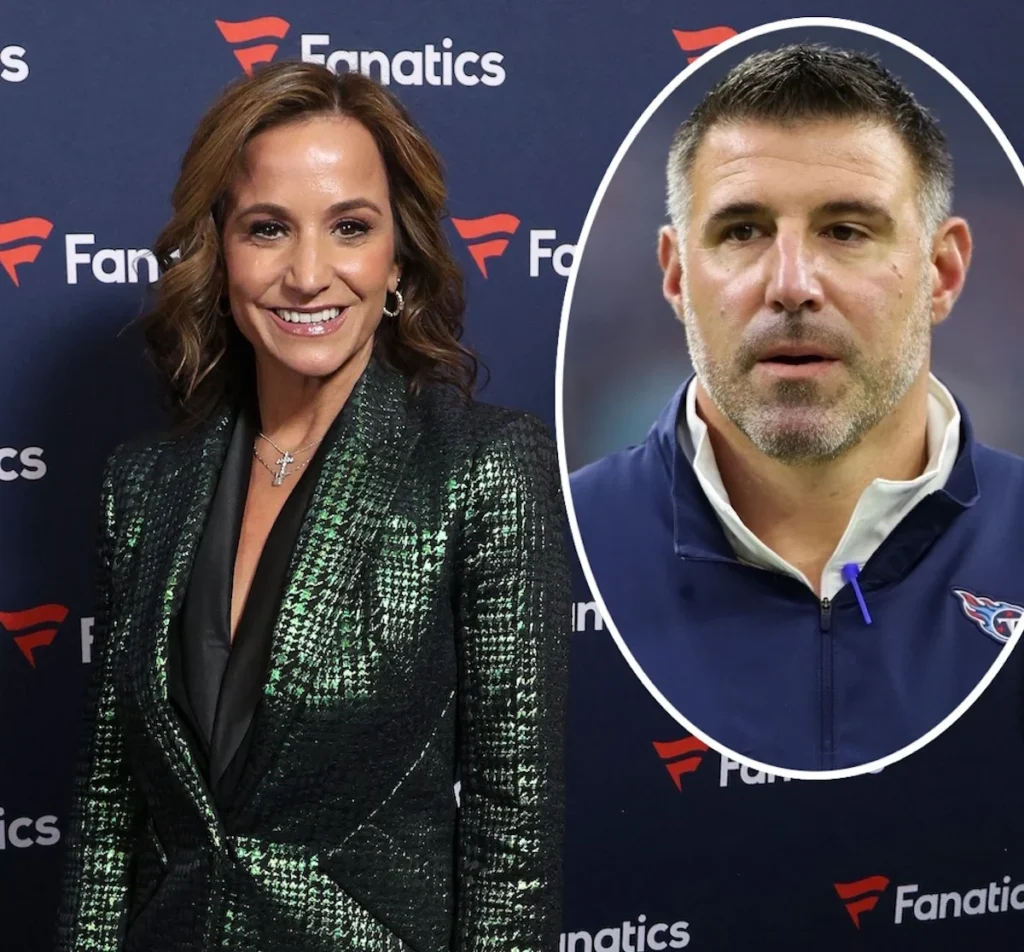

In a significant development within the sports media landscape, veteran NFL insider Dianna Russini has received an unexpected and open-ended job offer from multimedia sports talk show host Jon "Stugotz" Weiner, following her recent resignation from The Athletic. This offer comes as Russini navigates the intense public scrutiny and swirling rumors surrounding her alleged involvement with New England Patriots football coach Mike Vrabel, a controversy that has dominated sports headlines and social media discussions. The unfolding narrative underscores the complex challenges public figures face when personal lives intersect with professional careers, particularly in the high-visibility world of sports journalism.
The Genesis of the Controversy: Allegations and Denials
The saga began with the emergence of photographs depicting Dianna Russini and Mike Vrabel in an Arizona hotel, which rapidly ignited a firestorm of speculation across social media and various news outlets. These initial images were quickly followed by the resurfacing of older photographs showing the two together, further fueling rumors of an inappropriate relationship. At the time of the initial reports, Russini was a respected and prominent NFL insider for The Athletic, known for her comprehensive coverage and insightful reporting. Vrabel, a former NFL player and highly regarded coach, was at the helm of the New England Patriots, a franchise with a deeply entrenched public profile.
Both Russini and Vrabel promptly issued denials, asserting that nothing inappropriate had occurred. They maintained that their interactions were purely professional, characteristic of the relationships often formed between sports journalists and the subjects they cover. Despite these unequivocal statements, the public discourse escalated, with the photographs and subsequent discussions creating an inescapable narrative that transcended factual reporting, delving into the realm of personal conjecture. The intensity of the speculation highlighted the pervasive nature of digital media, where images can rapidly disseminate and spark widespread debate, often overshadowing official statements.
Dianna Russini’s Departure from The Athletic
Amidst the unrelenting public pressure and the persistent "noise" generated by the rumors, Dianna Russini made the difficult decision to resign from her position at The Athletic. Her departure, described as a voluntary step down rather than a termination, was reportedly an effort to quell the ongoing distractions and maintain her professional integrity. Russini, throughout the ordeal, has consistently maintained her professionalism, pushing back against what she has characterized as "phony speculation." Her resignation from a reputable sports media organization like The Athletic, known for its in-depth, subscriber-based content, marks a significant turning point in her career trajectory.
The Athletic, like many modern news organizations, operates under strict ethical guidelines regarding the conduct of its journalists, both on and off duty. While the specific internal discussions leading to Russini’s resignation remain private, the decision to step away suggests a mutual understanding of the need to address the public perception issues that had arisen. For a journalist whose credibility relies heavily on trust and objectivity, prolonged engagement in a personal scandal, even one she denies, can become an untenable distraction from core professional duties. Her resignation, therefore, can be interpreted as a strategic move to regain control of her narrative and mitigate further damage to her professional standing.
Jon "Stugotz" Weiner’s Unprecedented Offer
In a surprising turn of events, Jon "Stugotz" Weiner, co-host of the popular Stugotz and Company podcast and a prominent figure in multimedia sports talk, publicly extended an open-ended job offer to Dianna Russini. Weiner made his intentions clear on his podcast, stating, "I did say if The Athletic fired her, I would hire her. They didn’t fire her. She stepped down from The Athletic, and the offer holds forever." This statement was not merely a casual remark but a firm commitment, as Stugotz further elaborated, "If Dianna Russini decides one day, three months from now, a year from now, two years from now, that she wants to get back into this game, she has a place right here."
The nature of Stugotz’s offer is noteworthy for its unconditional and long-term commitment. In an industry often characterized by transient opportunities and competitive hiring, an offer that "holds forever" is highly unusual. Stugotz emphasized that his motivation was not to engage in public relations or to exploit the scandal for content, but rather to support a friend. "I am simply saying it’s her story to tell. It’s not my story, and I am simply going to support my friend," he clarified. He further stressed his role as a listener rather than a journalist seeking to uncover details: "I’m not a journalist. I’m a talk show host. And when my real friends fall on some difficult times, I like to support my friends and talk to them and be someone that listens. Not talks, listens. This is her story to share when she feels like sharing it. It is not me."
Stugotz and Company is part of a broader ecosystem of sports podcasts and digital content, known for its conversational and often irreverent style, distinct from traditional journalistic reporting. This format could offer Russini a different kind of platform, one potentially less constrained by the strictures of conventional newsgathering and more amenable to personal storytelling, should she choose to share her experiences. The offer provides Russini with a significant lifeline, a potential path back into the public eye on her own terms, offering a degree of control over her narrative that might be difficult to achieve in a traditional newsroom setting.
Reactions and Broader Public Discourse
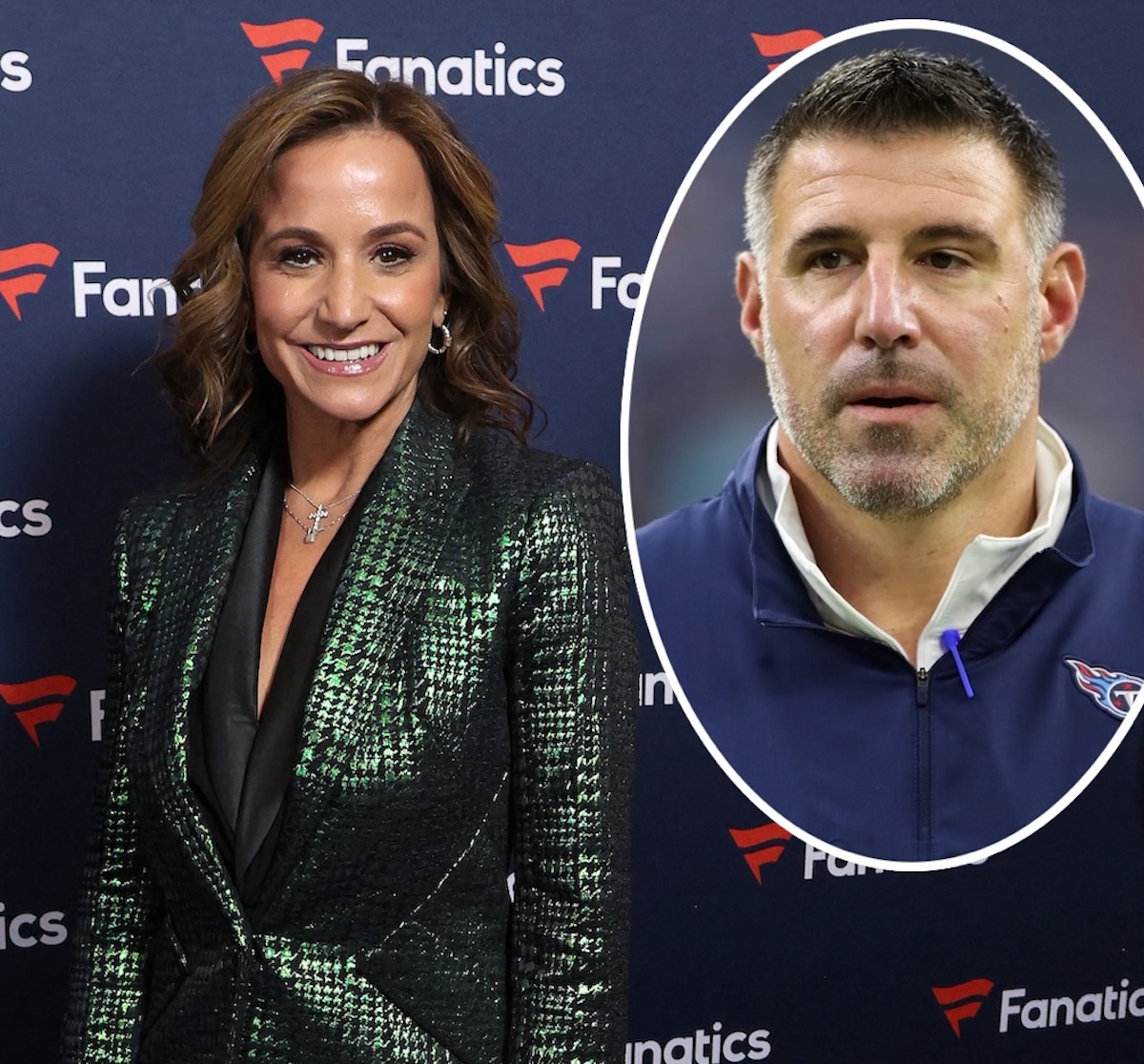
The unfolding scandal has generated extensive reactions across various segments of the public. Social media has been particularly active, serving as a primary forum for speculation, commentary, and the rapid dissemination of information—and misinformation. The public’s fascination with the personal lives of celebrities and public figures ensures that stories like this often dominate news cycles, even when official denials are issued. The "wedding ring status" of Mike Vrabel’s wife, for instance, became a point of public observation and discussion, highlighting the intense scrutiny placed on the families of individuals involved in such controversies.
Other elements, such as a "playlist for Mike" allegedly compiled by Russini and theories advanced by figures like Dave Portnoy concerning a "secret child," have further complicated the narrative. While these specific details largely remain in the realm of rumor and unverified speculation, their very existence demonstrates the extent to which public imagination can run wild in the absence of complete information, or even in defiance of official statements. It underscores the challenges for individuals, particularly women in male-dominated industries like sports journalism, to navigate a public sphere that is often quick to judge and slow to forgive.
Mike Vrabel, for his part, has reportedly stepped back from some professional duties to focus on his family, a common response for public figures embroiled in personal controversies. The impact on his coaching career and his standing within the NFL remains a subject of ongoing observation. For both Russini and Vrabel, the incident has undeniably affected their public personas, regardless of the veracity of the initial claims.
Ethical Considerations and Implications for Sports Journalism
The Dianna Russini-Mike Vrabel situation raises several critical ethical questions pertinent to sports journalism. The blurring lines between professional relationships and personal boundaries are a perpetual challenge. Sports reporters, by necessity, cultivate close relationships with coaches, players, and team personnel to gain access and gather insider information. This proximity, while essential for the job, can sometimes create situations susceptible to misinterpretation or, in extreme cases, actual ethical breaches.
For women in sports journalism, these challenges are often magnified. They frequently face additional scrutiny, gender-based biases, and the persistent pressure to maintain an impeccable professional image in an environment that has historically been male-dominated. The swiftness with which rumors spread and the intensity of the public’s focus on Russini’s personal life versus her professional contributions highlight the societal biases that can impact female journalists.
The incident also underscores the role of news organizations like The Athletic in managing the reputations of their staff and the standards they uphold. While Russini denied any wrongdoing, the sheer volume of public discussion created an untenable situation that ultimately led to her resignation, emphasizing the power of perception over declared fact in the court of public opinion.
The Broader Impact and Future Outlook
The long-term implications of this saga for Dianna Russini, Mike Vrabel, and the sports media industry are significant. For Russini, Stugotz’s offer provides a unique opportunity for a career pivot or a carefully managed return to the spotlight. Should she accept, it would allow her to re-engage with her audience on a platform that offers a different dynamic from traditional news reporting. This could enable her to redefine her public image and potentially share her side of the story when and if she chooses. Her decision will be closely watched, as it could set a precedent for how public figures in similar situations manage their comebacks.
For Mike Vrabel, the impact on his coaching career is still unfolding. While he has focused on his family, the lingering questions about his personal conduct could influence future opportunities within the highly competitive NFL coaching landscape. The public perception of his leadership and character could be scrutinized, even if no formal allegations or professional misconduct are proven.
More broadly, this incident serves as a stark reminder of the intense scrutiny faced by individuals in public-facing roles within the sports world. It highlights the power of social media to amplify narratives, regardless of their factual basis, and the persistent challenge for media professionals to navigate their personal lives under the glare of public opinion. The line between reporting on sports and delving into the private lives of those involved continues to be a delicate one, constantly redefined by technological advancements and shifting societal expectations.
As this story continues to develop, the question remains whether Dianna Russini will take Stugotz up on his open-ended offer, and how she will choose to navigate her career path in the aftermath of such a high-profile controversy. Her future decisions, and the ongoing public response, will undoubtedly contribute further chapters to this compelling narrative in the world of sports and media.