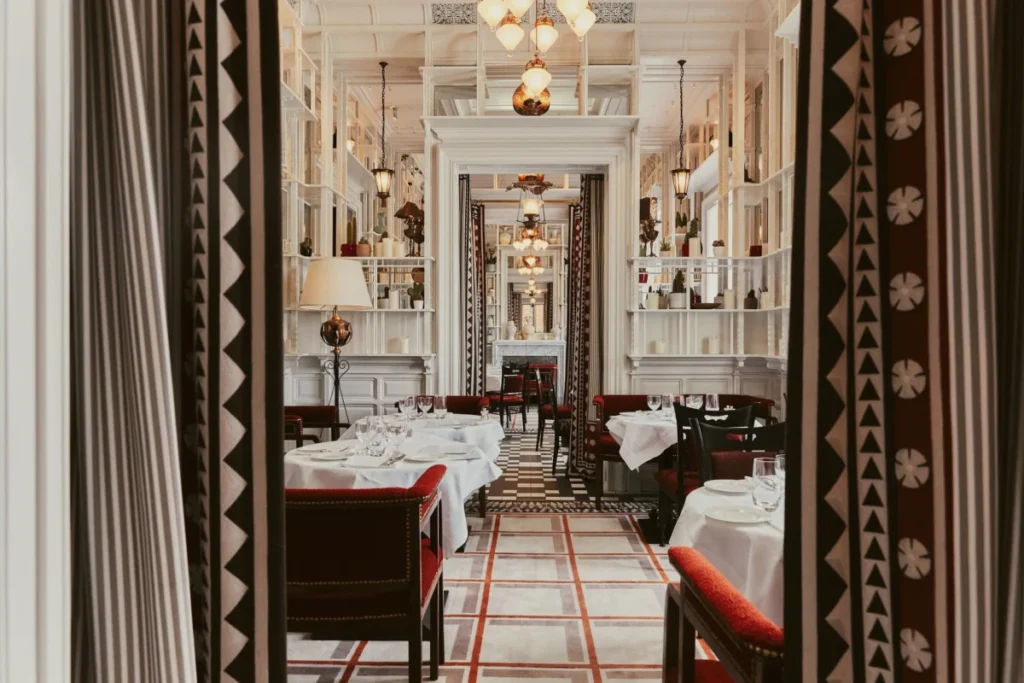

London currently boasts a hospitality ecosystem comprising more than 1,500 hotels, ranging from centuries-old institutions that have hosted royalty and literary giants to modern, design-centric boutiques that are redefining the city’s approach to luxury. This vast inventory reflects the capital’s unique ability to bridge the gap between traditional English hospitality and contemporary, cosmopolitan demands. As international travel demand to London continues to stabilize following a period of significant post-pandemic growth, the city’s hotel sector has undergone a metamorphosis, with new openings emphasizing localized culture, sustainability, and experiential design.
The current landscape is defined by a strategic bifurcation: the enduring popularity of the "Grand Dame" hotels, which maintain their dominance through multi-million-pound renovations, and the rise of independent, boutique properties that offer high-end amenities in historically residential or commercially emerging neighborhoods like Paddington and Fitzrovia.
Historical Context and the Evolution of London Hospitality
The history of London’s luxury hotel sector is inextricably linked to the city’s status as a global hub for trade, diplomacy, and the arts. Establishments such as Claridge’s, which has been in operation since 1812, established the template for what the world considers "English service." These hotels were not merely places to sleep; they were, and remain, social epicenters.
Historically, the geography of luxury was confined to Mayfair and St. James’s. However, the 21st-century traveler’s desire for "authentic" local experiences has catalyzed a shift. Today, neighborhoods that were previously peripheral to the high-end tourist circuit—such as King’s Cross, Chelsea, and Notting Hill—are home to flagship properties that compete directly with the historical giants. This decentralization has forced established brands to innovate, leading to the integration of world-class spas, Michelin-starred dining, and avant-garde interior design into traditional frameworks.
The Institutional Giants: Mayfair’s Enduring Legacy
The "Mayfair Triangle"—a cluster of streets housing iconic properties like The Dorchester, The Connaught, and Claridge’s—remains the gold standard for luxury.
The Dorchester, which opened its doors in 1931, serves as a prime example of institutional resilience. Following a comprehensive renovation unveiled in 2023, the property successfully refreshed its Art Deco aesthetic without alienating its traditional clientele. The involvement of designers Pierre-Yves Rochon and Martin Brudnizki ensured that the hotel retained its status as a headquarters for global dignitaries. The Dorchester’s ability to host both the three-Michelin-starred Alain Ducasse and the classic Cantonese fare of China Tang demonstrates the modern requirement for culinary diversity within a single property.
Similarly, The Connaught continues to function as a benchmark for high-end hospitality. Its success is anchored in the consistency of its service and the global reputation of the Connaught Bar, which has repeatedly topped international industry polls. By blending heritage features like corniced fireplaces and wood paneling with modern necessities—such as the subterranean Aman Spa—The Connaught captures the essence of the modern British grand hotel: a space where tradition is the foundation, not the limit.
The Rise of Boutique and Design-Forward Properties
In contrast to the grand hotels, a new wave of boutique properties is challenging the status quo by emphasizing design, neighborhood integration, and localized experiences.

At the forefront of this trend is The Broadwick Soho. By utilizing the talents of designer Martin Brudnizki, the hotel embraces a maximalist aesthetic that reflects Soho’s eclectic history. With features like brass-elephant-disguised minibars and Murano chandeliers, the property positions itself as a destination for the creative class rather than the traditional diplomat.
In Paddington, the Grand Hotel Bellevue represents a significant strategic bet on a neighborhood traditionally defined by its transport connectivity rather than its leisure appeal. By commissioning architect Fabrizio Casiraghi to curate a design palette of deep greens and dark woods, the hotel has attracted a younger, design-literate demographic. This movement toward "neighborhood hotels" is a direct response to a shift in consumer behavior where travelers prioritize proximity to local culture over proximity to historic landmarks.
Data-Driven Trends in London’s Hotel Market
The expansion of the London hotel sector is supported by robust data. According to industry reports from late 2023 and early 2024, the average daily rate (ADR) for luxury accommodation in London has seen a consistent upward trajectory, despite macroeconomic pressures. This growth is driven by a strong resurgence in North American and Middle Eastern tourism, which are the primary demographic segments for the city’s 5-star inventory.
Furthermore, the "suite-only" concept is gaining traction. The Emory, located at Hyde Park Corner, is a prime example of this transition. By moving away from standard room categories to an all-suite model, the property is catering to high-net-worth individuals who demand increased privacy, larger living spaces, and bespoke services. This development, designed by the late Richard Rogers’ firm, also signals a shift toward modern architectural styles, moving away from the Victorian stucco facades that have dominated London’s streetscapes for over a century.
Sustainability and the Future of Urban Lodging
Perhaps the most significant shift in the London hotel industry is the formal adoption of sustainability as a core operational pillar. The 1 Hotel Mayfair stands as a leader in this transition. By prioritizing reclaimed timber, living green walls, and filtered water systems, the property serves as a case study for how high-end luxury can reconcile itself with environmental responsibility.
Industry analysts observe that this is not merely a marketing trend but a necessity for long-term viability. As international corporate travel policies increasingly mandate carbon-neutral lodging, hotels that fail to adopt sustainable practices risk being excluded from lucrative business travel contracts.
Chronology of Recent Major Developments
- 2019: The Standard London opens in King’s Cross, marking the brand’s first UK outpost and cementing the neighborhood’s transformation from an industrial transit hub to a creative destination.
- 2021: NoMad London opens in the former Bow Street Magistrates’ Court, utilizing the building’s rich legal and criminal history to create a unique narrative-driven hospitality space.
- 2022: The Twenty Two launches in Mayfair, introducing a members’ club model that blends 18th-century French aesthetics with modern exclusive-access perks.
- 2023: The Emory opens at Hyde Park Corner, representing a new era of glass-and-steel architectural design and an all-suite accommodation model.
- 2023: At Sloane opens in Chelsea, leveraging a private-residence feel that aligns with the neighborhood’s upscale, residential character.
- 2024: The Zetter Bloomsbury expands the Zetter portfolio, utilizing six Georgian townhouses to create a "collected-over-time" aesthetic that highlights the proximity to the British Museum.
Fact-Based Analysis of Market Implications
The proliferation of these diverse hotel types suggests a mature, highly segmented market. The competition for occupancy is no longer strictly price-based; it is experience-based. Hotels are now competing on the quality of their "non-room" offerings, such as the calibre of their cocktail bars, the exclusivity of their wellness programs (such as the Tracy Anderson studio at The Emory), and the curation of their dining experiences.
The implication for the city is a more vibrant, year-round hospitality economy. By spreading tourist interest across various neighborhoods, London is successfully mitigating the issue of "over-tourism" in traditional hotspots like Covent Garden and Mayfair. Furthermore, the focus on design and architecture ensures that the city’s built environment continues to evolve, reflecting the tastes and values of the 21st-century traveler.
Conclusion
London’s hotel landscape remains one of the most dynamic in the world. Whether through the historic, service-oriented perfection of the Mayfair grand hotels or the rebellious, design-forward ethos of the new boutique entrants, the city offers a hospitality experience for every preference. As the sector looks toward the future, the integration of sustainability, technological innovation, and neighborhood-specific curation will likely remain the primary drivers of growth and success. For the discerning traveler, the challenge is no longer finding a room, but selecting from a collection of properties that are, in their own right, as compelling as the city they inhabit.