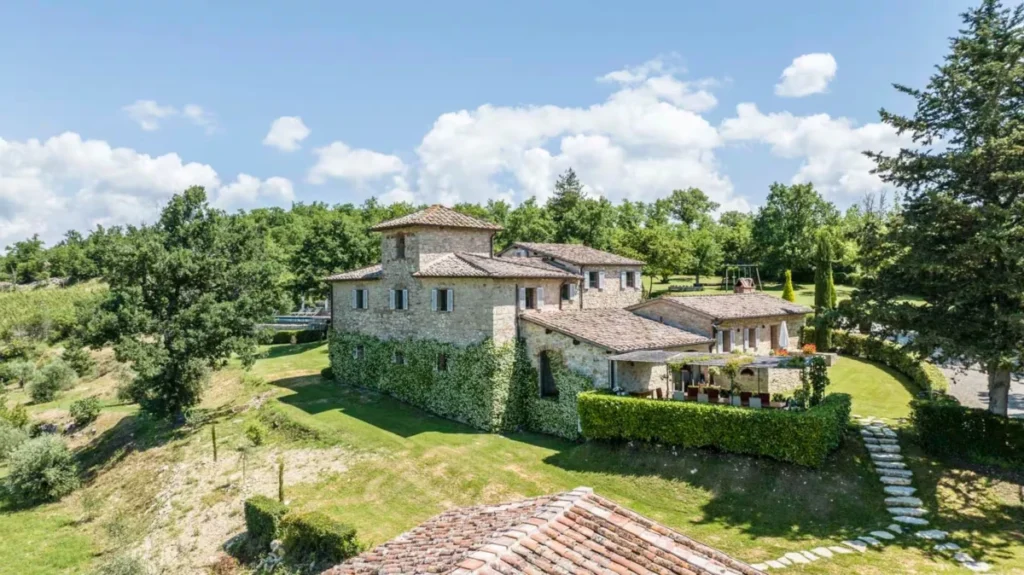

The intersection of heritage architecture and modern luxury hospitality has found a definitive expression in the Chianti region of Tuscany, specifically through the rise of high-end estate rentals such as Le Pratola. Situated in the rural geography of Gaiole in Chianti, this stone-faced villa represents a broader trend in the Italian tourism sector: the shift toward "slow travel" and multigenerational "home-base" tourism. By offering a blend of historical authenticity and contemporary amenities, properties like Le Pratola are redefining the expectations of international travelers seeking an immersive cultural experience within the Italian countryside.
The Architectural and Design Ethos of the Tuscan Estate
Le Pratola is characterized by its sun-drenched shingles and traditional stone façades, elements that align with the classic Tuscan farmhouse aesthetic. The property’s design philosophy emphasizes a communion with the surrounding landscape, featuring cypress trees, olive groves, and neighboring vineyards that serve as a natural extension of the living space.

The main structure of the villa is designed around a central courtyard, a layout that historically facilitated communal living while providing natural ventilation and light. This primary building houses five bedrooms, while a secondary cottage, located adjacent to the outdoor dining area, provides two additional bedrooms. This configuration allows the estate to accommodate groups of up to 11 guests, catering specifically to the growing market for large family reunions and "pod" travel.
Interior design choices at Le Pratola balance rustic charm with modern minimalism. Unlike some contemporary renovations that utilize high-contrast materials like chrome—a trend recently highlighted in architectural publications—Le Pratola maintains a warm, earthy palette. Exposed wood beam ceilings and terracotta tile floors are present throughout the rooms, while furnishings utilize simple silhouettes to ensure the interiors do not feel antiquated. The inclusion of large picture windows, particularly in the dining areas, ensures that the pastoral scenery remains a focal point of the indoor experience.
Regional Context: Gaiole in Chianti and the Tuscan Heartland
The location of the villa in Gaiole in Chianti places it within one of Italy’s most significant viticultural and historical zones. Chianti, a mountainous area of Tuscany, is world-renowned for its Sangiovese grapes, which form the basis of the region’s prestigious red wines. Gaiole, specifically, is recognized as one of the "capitals" of the Chianti Classico region, offering a quiet, rural alternative to the more congested urban centers of Florence and Siena.

Geographically, the estate serves as a strategic hub for regional exploration. Located approximately 90 minutes south of Florence and a shorter distance north of Siena, the villa provides access to the "cradle of the Renaissance" while maintaining the seclusion of a country estate. This dual accessibility is a key driver for the luxury rental market in the region, as it allows guests to balance high-intensity cultural sightseeing with periods of rural relaxation.
Chronology of the Guest Experience: A Ten-Day Immersion
The typical residency at a high-end Tuscan villa follows a structured progression from arrival and orientation to regional exploration and, finally, culinary and social immersion.
Phase I: Arrival and Integration
The journey to the estate involves navigating gravel drives and vineyard-lined roads, a logistical requirement that necessitates private transportation. Industry experts note that for rural stays in the Chianti region, car rentals or professional driver services are essential. At Le Pratola, these logistics are integrated into the booking process, reflecting a move toward "concierge-style" Airbnb experiences.

Phase II: Cultural and Cinematic Exploration
The middle days of the residency are generally dedicated to day trips. Common itineraries include:
- Florence: Visits to the Uffizi Gallery to view works by Renaissance masters and stops at renowned culinary landmarks like All’Antico Vinaio.
- Montepulciano: A medieval hilltop town famous for its Vino Nobile and late-Renaissance architecture.
- Film Tourism: Montepulciano has seen a surge in "film-induced tourism" due to its role as a filming location for the Twilight saga. Local businesses have capitalized on this by incorporating cinematic references into their offerings, demonstrating the economic impact of global media on traditional Italian villages.
Phase III: Culinary Education and Social Leisure
The final phase of the stay often centers on the "eat and repeat" model of Italian leisure. Activities at the villa include wood-fired pizza nights in the courtyard and professional cooking classes held in the estate’s kitchen. A notable highlight of the experiential offerings is the truffle hunt, where guests follow trained dogs through the local woodlands to source fresh truffles, which are then prepared with handmade pasta.
Supporting Data: The Growth of the Italian Luxury Rental Market
The success of properties like Le Pratola is supported by robust data regarding the Italian hospitality sector. According to reports from the Italian National Institute of Statistics (ISTAT), the demand for non-hotel accommodations—including villas and agritourism farms—has outpaced traditional hotel growth in the post-pandemic era.

- Multigenerational Travel: Surveys indicate that 40% of luxury travelers are planning trips involving three or more generations. The layout of Le Pratola, which offers both communal spaces and private annexes, is specifically designed to mitigate the friction of large-group travel.
- Agritourism Revenue: The Italian agritourism sector reached a record turnover of over €1.5 billion in recent years, driven by international tourists seeking "authentic" experiences such as wine tasting and farm-to-table dining.
- The "Airbnb Luxe" Effect: The integration of high-end villas into mainstream booking platforms has democratized access to estates that were previously only available through niche luxury agencies.
Official Responses and Community Impact
Local tourism boards in the Chianti region have expressed a dual sentiment regarding the rise of large-scale villa rentals. While these properties bring significant economic influx to rural areas, there is a concerted effort to ensure that tourism remains sustainable and does not erode the local way of life.
A spokesperson for the regional tourism office noted, "The goal is to foster a ‘temporary resident’ mindset rather than a ‘tourist’ mindset. When visitors stay for ten days, learn to make pasta, and visit our local vineyards, they contribute to the preservation of our heritage."
Furthermore, the employment of local drivers, chefs, and truffle hunters creates a micro-economy that supports the surrounding villages. The "driver service" mentioned by guests is particularly vital, as it allows tourists to navigate the challenging terrain of the Tuscan hills safely while providing steady income for local transportation professionals.

Analysis of Implications: The Future of High-End Hospitality
The case of Le Pratola illustrates several key implications for the future of the global travel industry:
The Importance of "The Third Space"
The villa acts as a "third space"—neither a sterile hotel nor a cluttered primary residence. It provides a backdrop for "quality time" that is curated yet feels organic. The presence of an infinity pool and an extensive outdoor dining setup are not merely luxuries; they are functional requirements for the social rituals of the modern traveler.
Experiential Over Material Luxury
The enrichment of the stay through activities like truffle hunting and wine education suggests that luxury is increasingly defined by access to unique experiences rather than just high-thread-count linens. The "storytelling" aspect of a vacation—reenacting movie scenes in Montepulciano or learning the history of Sangiovese grapes—is a primary motivator for the contemporary affluent demographic.

Integration of Technology and Tradition
The ability to book a centuries-old villa and a private van driver through a digital application represents the seamless integration of technology into the traditional travel landscape. This "high-tech, high-touch" approach is likely to become the standard for luxury rentals worldwide.
Conclusion
Le Pratola stands as a testament to the enduring appeal of the Tuscan landscape and the evolution of the estate rental model. By providing a structure that facilitates both communal gathering and individual respite, it addresses the complex dynamics of modern family travel. As the Italian tourism sector continues to evolve, the success of such properties will depend on their ability to maintain the delicate balance between rustic authenticity and the high-service standards expected by a global clientele. The villa is more than a place to stay; it is a vehicle for cultural immersion, a "doting nonna" that shepherds guests through the rich history, flavors, and landscapes of the Italian heartland.