
The global K-pop community has been thrust into a heated debate following an incident involving Eunseok, a member of the rising boy group RIIZE. The controversy stems from a social media post intended to celebrate Children’s Day in South Korea, which quickly escalated from a nostalgic moment into a significant PR crisis involving allegations of racial insensitivity and a subsequent wave of toxic behavior within the group’s official fan community on Weverse. As RIIZE continues to solidify its position as a leading act in the fifth generation of K-pop, the incident has reignited long-standing criticisms regarding the lack of cultural sensitivity training within major Korean entertainment agencies and the often-combative nature of international fandoms.
The Core Incident: A Childhood Memory Marred by Controversy
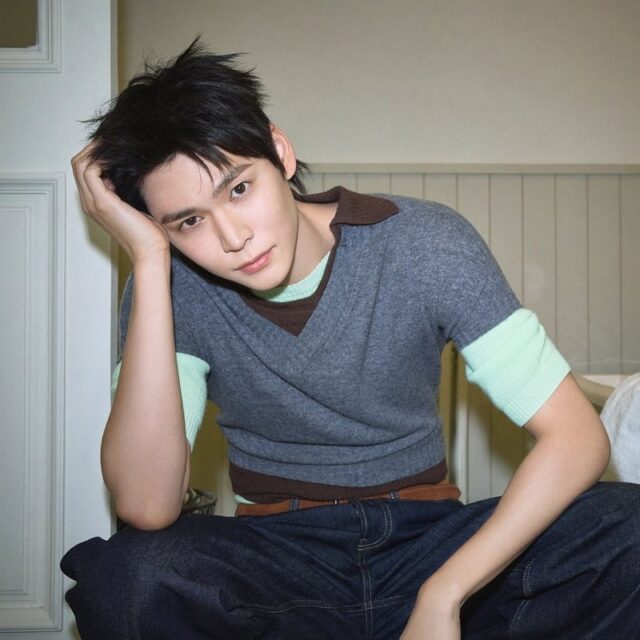
On May 5, 2026, in observance of Children’s Day—a major public holiday in South Korea—Eunseok shared several photographs of himself as a young child with fans. These posts are a common tradition among idols, intended to foster a sense of intimacy and connection with their audience. However, the caption accompanying one of the images immediately drew the attention of global fans. In the caption, Eunseok utilized the term kkamdoongie (깜둥이) to describe his younger self, presumably referring to his tanned skin in the photograph.
The term kkamdoongie is a diminutive derived from the Korean word for "black." While historically used in domestic contexts to describe people with darker complexions, tanned skin, or even dark-furred animals, it carries a heavy derogatory weight. In modern linguistic contexts, particularly when translated or viewed through a global lens, the term is widely recognized as a racial slur. Many linguists and cultural observers equate its severity and usage to the "N-word" in English, noting that it has been used disparagingly against Black people and individuals of African descent within Korea and by Koreans abroad.
Linguistic Nuance and the Weight of the Term
The controversy surrounding kkamdoongie lies in the intersection of local linguistic habits and global social standards. Supporters of the idol argued that the term was used "innocently" as a nickname for a tanned child, a common practice in older Korean generations. They contended that Eunseok likely intended to poke fun at his own appearance without any malicious or racist intent toward the Black community.
However, cultural critics and members of the Black K-pop fan community have countered that intent does not negate impact. The term’s history is rooted in colorism and racial stereotyping. In a globalized industry where K-pop groups like RIIZE actively court international audiences, including a significant Black fan base, the use of such language is seen as a failure of both personal judgment and professional oversight. For many, the use of the term—regardless of the target—normalizes a word that has been used to dehumanize Black people for decades.
Timeline of the Controversy and the Idol’s Response
The backlash was almost instantaneous. Within hours of the post appearing on the fan-to-artist communication platform, "Eunseok" and "RIIZE" began trending on X (formerly Twitter) and other social media platforms. International fans, particularly those from the United States, Europe, and Africa, expressed profound disappointment and called for an immediate explanation.
On May 6, 2026, as the criticism reached a fever pitch, Eunseok deleted the controversial post. Shortly thereafter, he issued a brief apology. In his statement, the idol acknowledged that his choice of words was inappropriate and expressed regret for causing pain to fans. He stated that he had not fully grasped the offensive nature of the term in a global context and promised to be more mindful of his language in the future.

While some fans accepted the apology as a sincere mistake from a young artist, others found the response insufficient. Critics pointed out that the apology was posted on a platform with limited access, rather than as a formal public statement from SM Entertainment. This led to accusations that the agency was attempting to "quietly" resolve the issue without addressing the systemic lack of cultural education within their training programs.
The Weverse Backlash: A Toxic Shift in Fandom Defense
The situation took a darker turn on May 7, 2026, when the discourse shifted from the idol’s initial mistake to the behavior of his defenders. On the RIIZE Weverse community—a platform designed for safe interaction between artists and fans—several posts were documented containing overt anti-Black racism.
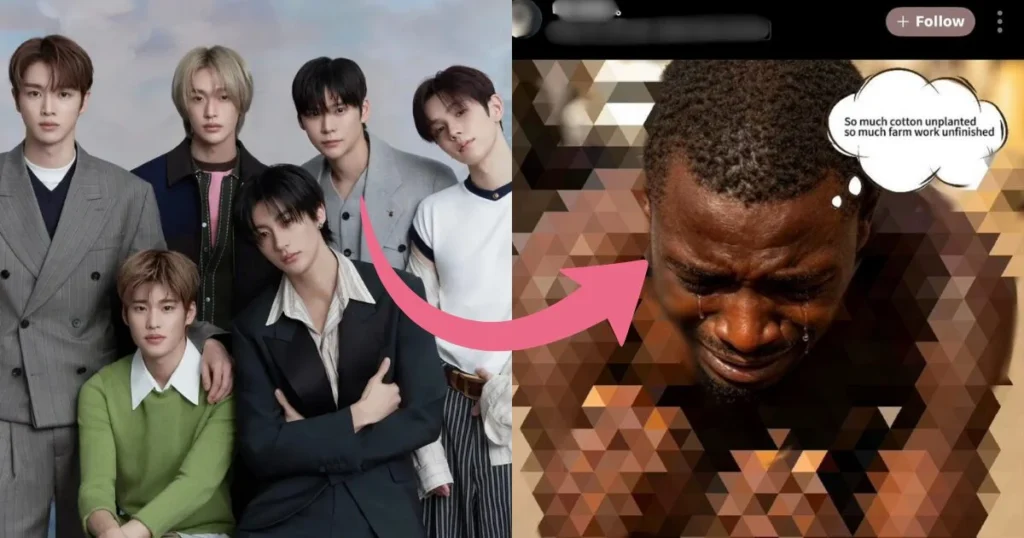
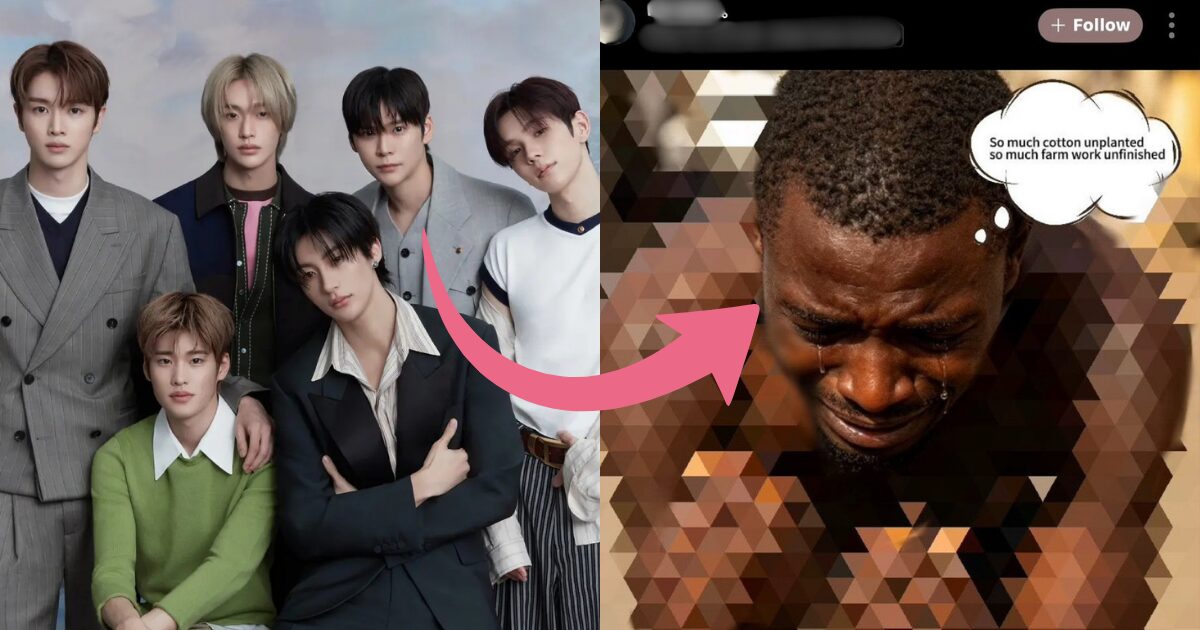
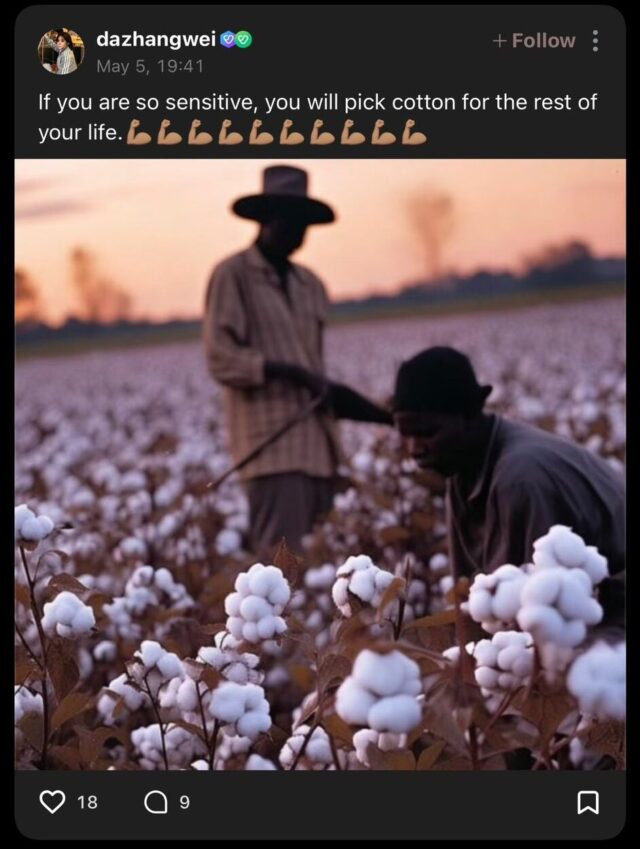
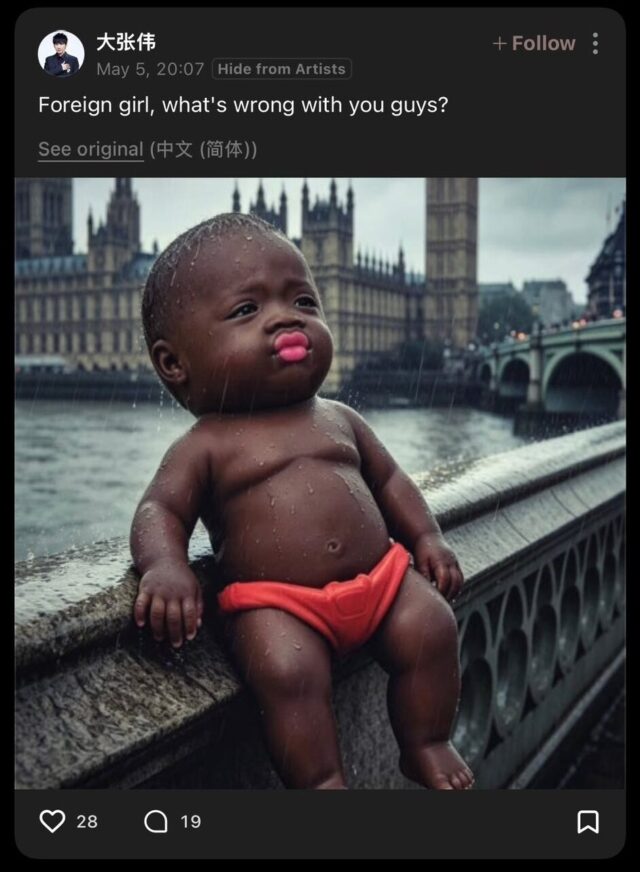
In an attempt to "defend" Eunseok from criticism, some users began posting derogatory memes, racial taunts, and even references to slavery. These fans targeted Black "BRIIZE" (the official fandom name for RIIZE) who had voiced their hurt over the original post. The documented screenshots showed a disturbing trend of fans using the controversy as an excuse to vent genuine racial animosity.
One post on Weverse reportedly mocked the historical trauma of the African diaspora, while others told Black fans to "leave the fandom" if they could not accept Korean culture. This secondary wave of toxicity has been viewed by many as more damaging than the initial incident, as it highlighted a segment of the fandom willing to weaponize racism to shield their favorite artist from accountability.
Historical Context: Recurring Racial Insensitivity in K-Pop
The Eunseok incident is not an isolated event but rather the latest in a long history of racial insensitivities within the K-pop industry. Over the past decade, numerous idols from major agencies have faced similar criticism for using racial slurs, wearing offensive hairstyles (such as cornrows or locs), or engaging in "blackface" during variety show performances.
SM Entertainment, the agency representing RIIZE, has a history of such controversies. Past incidents involving members of Super Junior, NCT, and Red Velvet have followed a similar pattern: an offensive action occurs, global fans protest, a brief apology is issued (or the content is silently edited), and the agency returns to business as usual without implementing visible structural changes. This cycle has led to a sense of "outreach fatigue" among international fans of color, who feel that their culture is being "cherry-picked" for aesthetic value—such as the heavy influence of Hip-Hop and R&B in RIIZE’s music—while their humanity is disregarded.
The Paradox of Global K-Pop and Cultural Competency
The rise of the "fifth generation" of K-pop, which includes groups like RIIZE, ZEROBASEONE, and BABYMONSTER, is defined by an unprecedented level of global integration. These groups are marketed as global entities from day one, with members often being multilingual and agencies targeting Western charts with English-language tracks and international tours.
However, this commercial globalism often lacks a corresponding level of cultural competency. Industry experts suggest that while idols spend years training in dance, vocals, and "fan service," they receive little to no education on the history and social sensitivities of the markets they are entering.
"There is a fundamental disconnect," says a Seoul-based cultural commentator. "Agencies want the ‘Global’ label because it brings in massive revenue, but they are often unwilling to invest in the social education required to navigate those global spaces responsibly. When an idol uses a slur, it’s not just a personal mistake; it’s a failure of the corporate machine that produced them."
Impact on RIIZE and SM Entertainment’s Global Strategy
RIIZE, consisting of members Shotaro, Eunseok, Sungchan, Wonbin, Sohee, and Anton (with Seunghan currently on hiatus), has been on a meteoric rise since their debut in late 2023. Their "emotional pop" genre and "boy-next-door" branding have made them favorites among Gen Z fans worldwide.
The current controversy threatens to alienate a portion of this demographic. In the United States and Europe, where social justice and racial awareness are high priorities for young consumers, such incidents can lead to "de-stanning" (withdrawing support) and a decline in concert ticket sales or brand partnership opportunities. Furthermore, the racist behavior of fans on Weverse creates an environment that is hostile to diversity, potentially branding the entire BRIIZE fandom as exclusionary.
As of the time of this report, SM Entertainment has not issued an additional formal statement regarding the racist posts on Weverse or the calls for comprehensive cultural sensitivity training for their artists. The lack of moderation on the Weverse platform has also come under fire, with fans questioning why such overtly racist content was allowed to remain visible for any period of time.
Conclusion: The Path Toward Inclusive Fandoms
The incident involving RIIZE’s Eunseok serves as a stark reminder of the challenges facing the K-pop industry as it continues to expand beyond its domestic borders. While the idol has apologized, the ensuing fallout on social media and Weverse suggests that the problem runs deeper than a single word used in a caption.
For the K-pop industry to truly thrive as a global phenomenon, agencies may need to move beyond reactive apologies and toward proactive education. For fans, the incident highlights the need for a more empathetic discourse that prioritizes the feelings of marginalized groups over the unconditional defense of a celebrity. As RIIZE moves forward, the shadow of this controversy will likely linger until substantive steps are taken to ensure that all fans, regardless of their race or background, feel respected within the community.