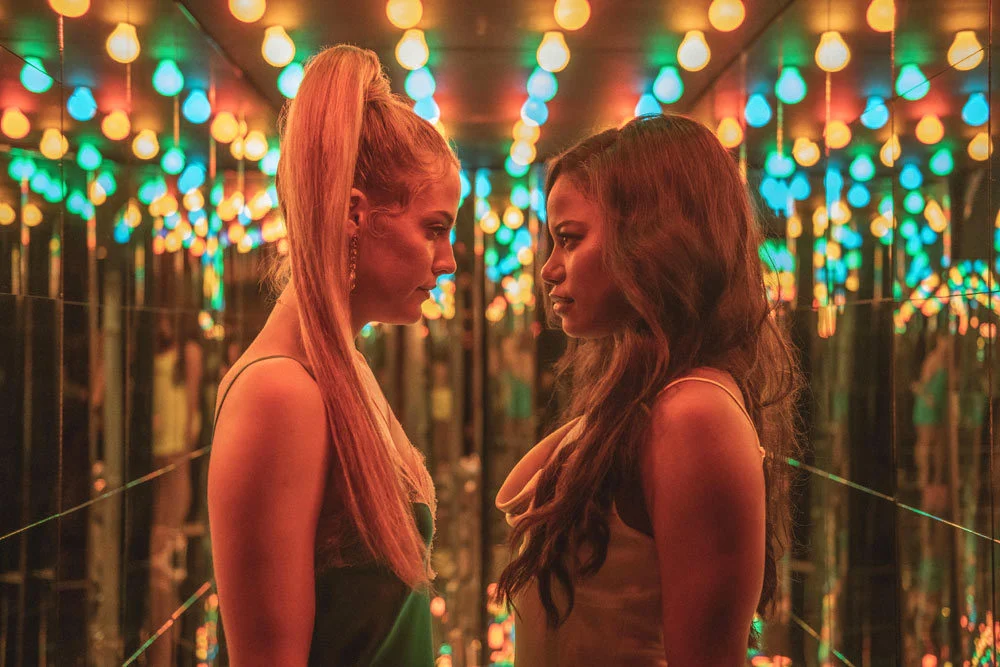

Zola, the 2020 biographical black comedy crime film directed by Janicza Bravo, represents a landmark moment in contemporary cinema as the first major studio production adapted entirely from a viral Twitter thread. Based on the 148-tweet saga posted by A’Ziah "Zola" King in October 2015, the film navigates the complexities of social media storytelling, sex work, and the precariousness of the "hustle" culture of the mid-2010s. Starring Taylour Paige and Riley Keough, the film debuted at the Sundance Film Festival on January 24, 2020, before receiving a wider theatrical release via A24 in 2021. The narrative follows a Detroit waitress and part-time stripper who is lured into a high-stakes road trip to Florida, an journey that quickly devolves into a harrowing encounter with sex trafficking and gun violence.
The Genesis of a Digital Era Period Piece
The origins of Zola are rooted in the digital zeitgeist of 2015. On October 27 of that year, A’Ziah King began a thread with the now-immortalized line: "You wanna hear a story about how me and this bitch here fell out? It’s kinda long but it’s full of suspense." The thread, which utilized sharp wit, suspenseful pacing, and African American Vernacular English (AAVE), garnered millions of views and caught the attention of celebrities and filmmakers alike. Shortly thereafter, Rolling Stone journalist David Kushner published an investigative piece titled "Zola Tells All: The Real Story Behind the Greatest Stripper Saga Ever Tweeted," which provided factual scaffolding to King’s stylized account.
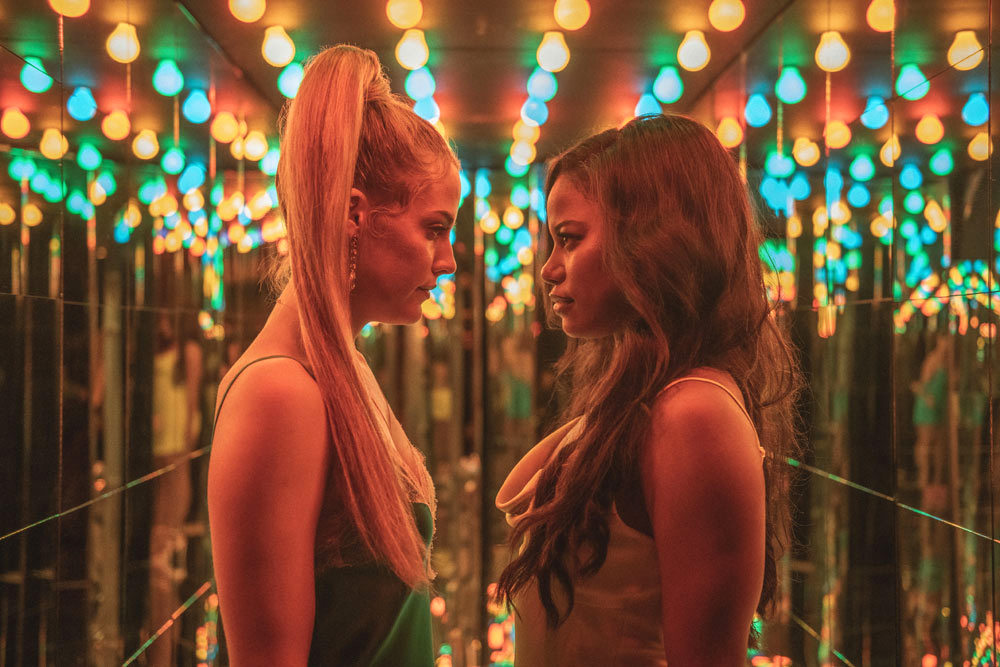
While the film was released in the early 2020s, critics and cultural analysts have noted that it functions effectively as a period piece. The production meticulously recreates the "2000-teens" aesthetic, characterized by the ubiquity of flip phones, the specific interface of early Instagram and Twitter, and a cultural landscape where social media served as a burgeoning monoculture. The sound design of the film further emphasizes this digital immersion, incorporating notification pings and whistle sounds that mimic the auditory environment of a smartphone-dependent society.
Narrative Structure and Directorial Vision
Director Janicza Bravo, working from a screenplay co-written with playwright Jeremy O. Harris, sought to preserve the "Twitter-native" voice of the original material. The film employs a non-linear feel, punctuated by breaking the fourth wall and the use of onscreen text. Bravo’s direction is noted for its "female gaze," particularly in its depiction of stripping. Unlike many male-directed films that frame sex work through a lens of tragedy or moral degradation, Zola presents stripping as a professional endeavor characterized by skill and economic agency.
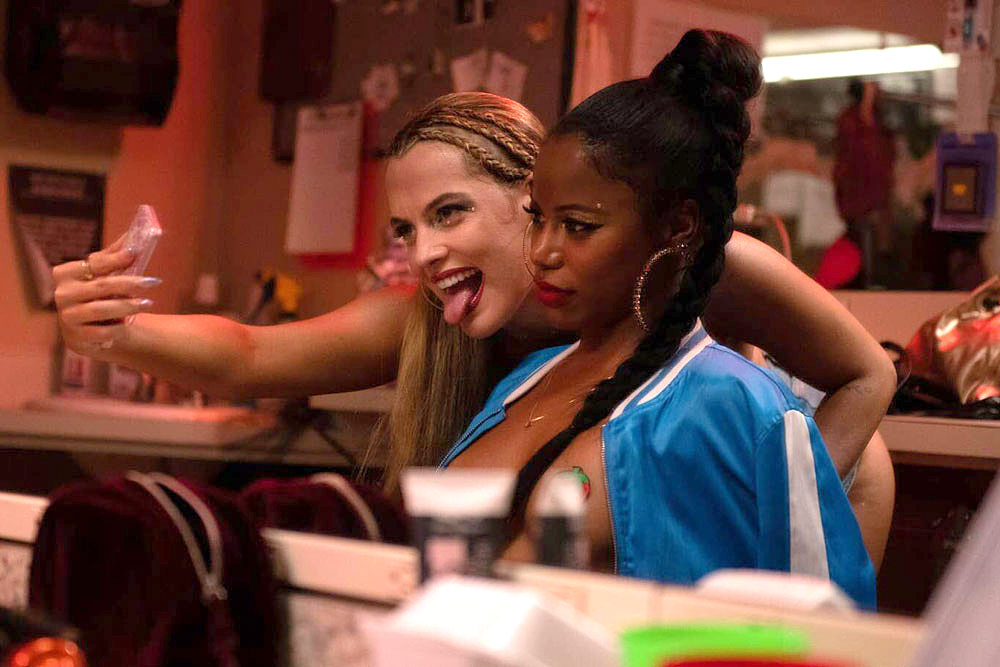
However, the transition from a 140-character-increment thread to a 90-minute feature presented significant structural challenges. The first act of the film is largely comedic, focusing on the fast-paced "girl-crush" friendship between Zola (Paige) and Stefani (Keough). As the narrative shifts to Florida, the tone undergoes a jarring transition into the realm of sex trafficking. While King’s original writing used humor as a survival mechanism to recount trauma, some analysts argue that the film struggles to maintain this tonal balance when the physical danger to the protagonists becomes explicit.
Chronology of Production and Release
The path from viral tweet to silver screen spanned nearly six years, involving shifts in creative leadership and global delays:
- October 2015: A’Ziah King posts the viral Twitter thread.
- November 2015: Rolling Stone publishes the factual account of the events.
- February 2016: James Franco is initially attached to direct the project under A24.
- June 2017: Janicza Bravo replaces Franco as director, bringing a new creative direction focused on King’s perspective.
- Autumn 2018: Principal photography takes place in Florida.
- January 2020: The film premieres at the Sundance Film Festival to critical acclaim.
- 2020–2021: The theatrical release is delayed significantly due to the COVID-19 pandemic.
- June 30, 2021: A24 releases the film in United States theaters.
Performance Analysis and Character Dynamics
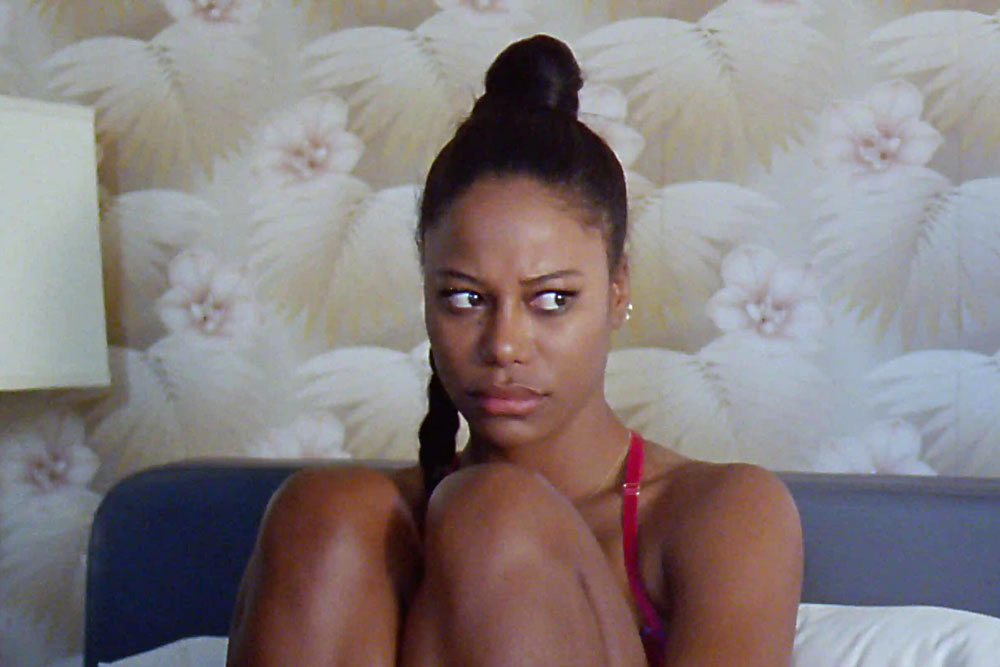
The success of Zola relies heavily on its central performances. Taylour Paige provides a grounded, observational anchor for the film. Her portrayal of Zola is characterized by a "stone-faced" resilience, utilizing survival skills to navigate a landscape of increasingly volatile men. Paige’s performance highlights the intersectional vulnerability of a Black woman in a situation where she is both economically exploited and physically threatened.
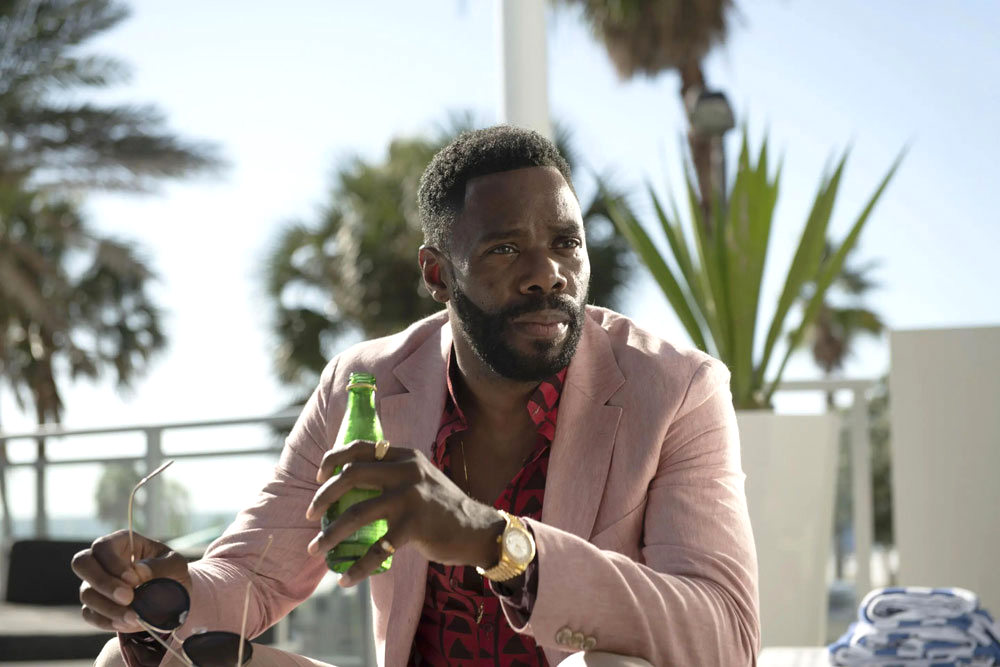
Riley Keough’s portrayal of Stefani has been described as a "revelation" of character acting. Keough adopts a heavy use of AAVE and a heightened, often performative persona that serves as a foil to Zola’s pragmatism. The casting is rounded out by Colman Domingo, who plays the "Pimp" character (referred to as X in the film). Domingo’s performance oscillates between charismatic mentor and terrifying aggressor, though some critics have noted that the role remains confined by the archetypal tropes of the "violent Black pimp." Nicholas Braun, known for his work in Succession, plays Stefani’s boyfriend Derek, providing a pathetic, almost tragicomic representation of incompetence and misplaced loyalty.
Aesthetic and Costume Design
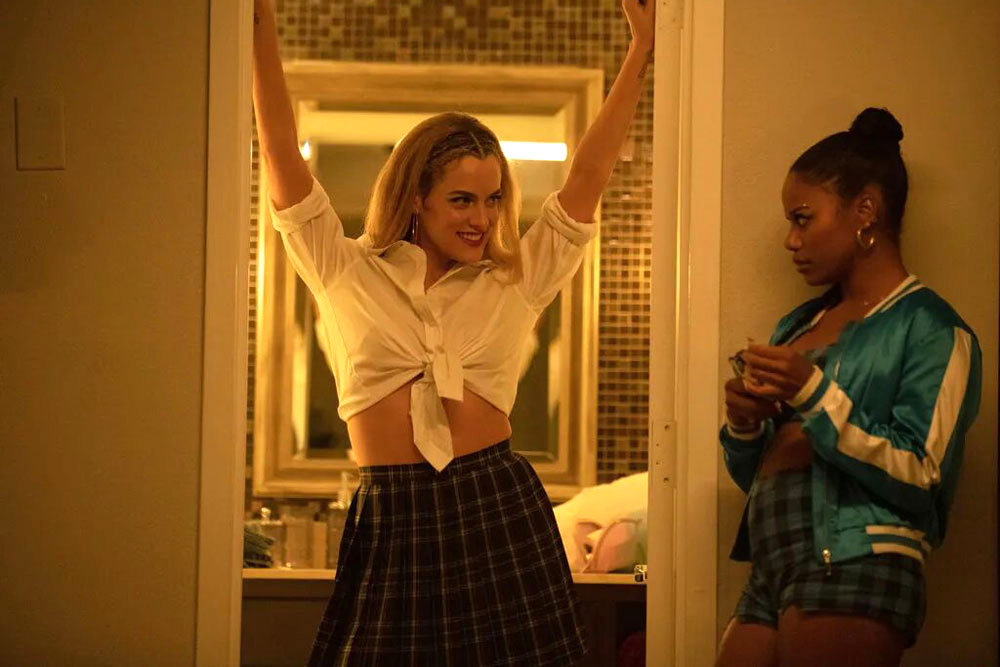
The visual language of Zola is deeply informed by its costume design, led by Derica Cole Washington. A protégé of Academy Award-winner Ruth E. Carter, Washington utilized clothing to signal character motivation and social standing.
A notable stylistic choice was the refusal to dress Zola in skirts for much of the film, a visual shorthand for her refusal to engage in the sex work that Stefani and X attempt to force upon her. Washington sourced many of the looks from retailers like ASOS to maintain an authentic "club-ready" aesthetic accessible to young women of the era. The most iconic outfit in the film—a blue plaid ensemble worn by Zola—serves as a dual cinematic reference. It evokes both Dorothy Gale’s gingham dress in The Wizard of Oz and the high-fashion plaid of Clueless. These references underscore the film’s theme of an innocent "trip" into a surreal and dangerous "other world" (in this case, the Florida underworld).
Critical Reception and Industry Impact
Zola received generally positive reviews from critics, holding an 88% approval rating on Rotten Tomatoes based on over 200 reviews. Critics praised Bravo’s stylistic boldness and the film’s ability to capture the frantic energy of the internet. The film was nominated for several accolades, including Best Feature at the Independent Spirit Awards.
Beyond its critical standing, Zola has sparked broader conversations regarding the ethics of adapting real-life trauma for entertainment. A’Ziah King has been vocal about her involvement in the process, serving as an executive producer to ensure her voice was not lost in the adaptation. However, the film has faced scrutiny for its depiction of Stefani (based on the real-life Jessica Rae Swiatkowski). While the film leans into Zola’s perspective of Stefani as a "user," King noted in later interviews that she stayed in the dangerous situation partly to ensure Stefani’s safety—a nuance that some feel was under-explored in the final script.
Broader Implications for Social Media Storytelling
The release of Zola marks a shift in how Hollywood perceives intellectual property. In an era dominated by sequels and established franchises, Zola demonstrated that viral social media content possesses the narrative density required for feature-length cinema. It paved the way for other "internet-first" stories to be taken seriously by major distributors.
Furthermore, the film contributes to a specific subgenre of "stripper cinema" that emerged between 2015 and 2024, alongside titles such as Hustlers, Anora, and The Last Showgirl. Zola distinguishes itself within this group by being directed by a Black woman, allowing for a specific exploration of race, appropriation, and the "Looking Out for Me" philosophy necessitated by systemic neglect. When Zola asks, "Who’s looking out for me?" the film offers no easy answer, reflecting the reality of the characters’ lives.
Ultimately, Zola remains a polarizing but essential piece of modern filmmaking. It serves as a time capsule of the 2010s digital culture while questioning the boundaries between comedy and tragedy in the retelling of real-world exploitation. As social media continues to evolve, Zola stands as the definitive blueprint for translating the ephemeral nature of a Twitter thread into the permanent medium of film.