
July 23, 2026 – As Christopher Nolan’s epic cinematic adaptation of Homer’s The Odyssey captivates audiences worldwide, a fascinating glimpse into the intricate world of 70mm film projection has emerged, shedding light on a craft many believed was fading into obsolescence. The film, a monumental undertaking shot entirely on 70mm IMAX film and presented in its 70mm format globally, has reignited a passion for the tactile and technical aspects of filmmaking, extending beyond the screen to the projection booth.
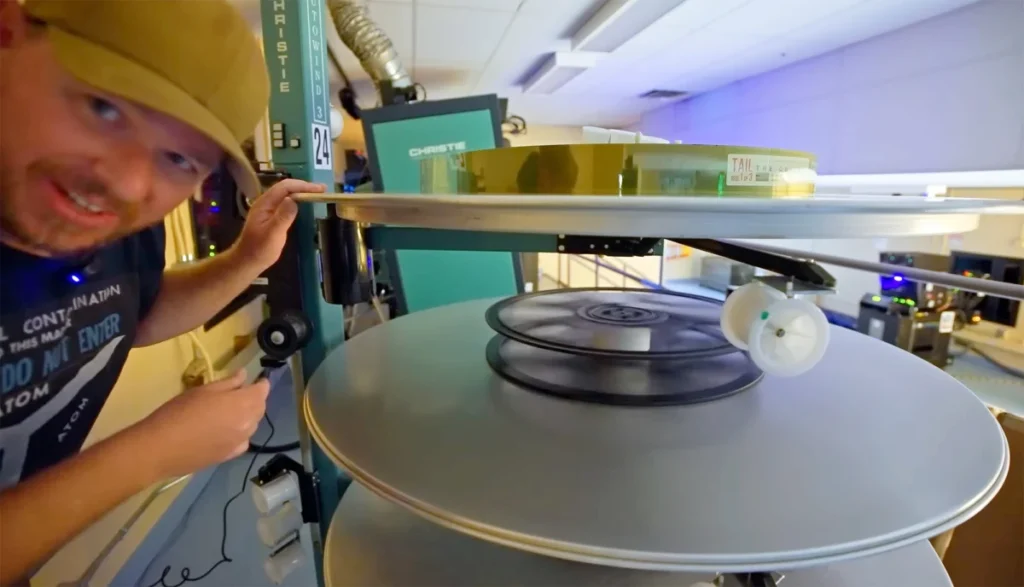
A recent video, shared by YouTuber “Radioactive Drew,” a professional projectionist, offers an unprecedented inside look at the meticulous process of preparing and projecting a 70mm film print of The Odyssey. Drew, whose channel typically explores abandoned and radioactive locations, steps into the spotlight to demystify the seemingly arcane art of film projection. His firsthand account, filmed at the Regal Bridgeport Village in Tigard, Oregon, details his role in setting up and projecting the non-IMAX 70mm version of the film.
The Projectionist’s Perspective: A Labor of Love
Drew’s introduction to the video succinctly captures the essence of his endeavor: "I was hired to set up and project the 70mm Film version of The Odyssey at the Regal Bridgeport Village in Tigard, Oregon. Here’s what I had to do to build the print and get everything ready to show it to the audience." The video, described as a "homemade" production, eschews flashy editing for an authentic, walk-through demonstration of his expertise. Viewers are taken behind the scenes, witnessing the careful handling of the massive film reels, the precise threading of the print through a Christie 70mm film projector, and the final checks before the screening.

The underlying message is clear: projecting film is not merely a mechanical task but a skilled profession demanding a deep understanding of the medium. Drew’s poignant observation, "Those scratches never, ever go away," serves as a stark reminder of the delicate nature of film prints and the constant vigilance required to preserve their integrity. This dedication to preserving the physical medium is at the heart of the resurgence of interest in film projection.
Christopher Nolan’s 70mm Advocacy: A Catalyst for Revival
Christopher Nolan has long been a vocal champion of celluloid film, particularly the 70mm format, citing its unparalleled visual fidelity, dynamic range, and immersive quality. His commitment to shooting The Odyssey on 70mm IMAX film and ensuring its exhibition in 70mm worldwide is a significant endorsement that has resonated throughout the film industry and with cinephiles. This decision is not merely an artistic choice but a deliberate effort to preserve and promote a filmmaking tradition.
The choice of 70mm film offers distinct advantages over digital projection. The increased width of the film stock allows for greater detail, richer colors, and a more profound sense of depth. IMAX 70mm, in particular, utilizes a larger frame size, providing an even more expansive and breathtaking visual experience. By mandating 70mm presentations, Nolan is not only offering audiences the intended visual experience but also actively supporting the network of theaters equipped to handle this format, many of which have had to invest in and maintain specialized projection equipment.
The Odyssey: A Cinematic and Technical Spectacle
The Odyssey, directed by the acclaimed filmmaker Christopher Nolan, is an ambitious adaptation of Homer’s ancient Greek epic poem. Starring Matt Damon as the legendary Odysseus, the film chronicles the hero’s arduous ten-year journey home after the Trojan War, a narrative filled with mythical encounters and profound personal trials. The screenplay, also penned by Nolan, is an adaptation of the iconic work attributed to Homer.

The film’s technical pedigree is further bolstered by cinematography from Hoyte van Hoytema and a score composed by Ludwig Göransson. Produced by Emma Thomas and Christopher Nolan under their Syncopy banner, The Odyssey was released by Universal Pictures on July 17, 2026, marking a significant summer blockbuster event. The film’s commitment to the 70mm format is a testament to Nolan’s dedication to pushing the boundaries of cinematic presentation.
Supporting Data and Industry Trends
The resurgence of 70mm projection is not an isolated phenomenon but part of a broader trend within the film exhibition industry. While digital projection has become the industry standard due to its cost-effectiveness and ease of use, a segment of filmmakers and exhibitors has actively worked to maintain and revive the use of film.
- Growth in 70mm Exhibition: While precise global figures for 70mm projectors are not readily available, industry reports suggest a steady increase in the number of theaters offering 70mm screenings, particularly for major releases from directors like Nolan. This growth is often driven by specific film releases that prioritize the format.
- Nolan’s Impact: Christopher Nolan’s films have consistently driven demand for 70mm prints. His previous films, such as Dunkirk and Oppenheimer, were also shot and released in 70mm, prompting theaters to dust off their projectors and audiences to seek out these premium experiences.
- Technical Challenges and Costs: Maintaining 70mm projection is a complex and costly endeavor. It requires specialized projectors, significant reel handling infrastructure, and highly trained projectionists. The cost of producing 70mm prints is also considerably higher than digital distribution.
- Audience Demand: Despite the challenges, there is a demonstrable audience appetite for the unique visual and auditory experience offered by 70mm. This demand is fueled by a desire for a more immersive and authentic cinematic encounter, often perceived as superior to standard digital presentations.
The Projectionist’s Role in the Modern Era
The role of the projectionist has evolved dramatically with the advent of digital technology. However, for those who continue to work with film, their skills are more valuable than ever. Drew’s video highlights the tangible skills involved:
- Print Assembly: 70mm prints are delivered in multiple reels and must be carefully spliced together in the correct order. This process requires precision and an understanding of the film’s narrative structure.
- Equipment Maintenance: 70mm projectors are complex mechanical systems that require regular maintenance, calibration, and troubleshooting. Drew’s mention of "building the print and getting it rigged" points to the intricate setup required.
- Threading and Operation: The process of threading a massive 70mm film print through the projector is a delicate operation. Maintaining consistent speed and focus throughout the screening is crucial for a flawless viewing experience.
- Troubleshooting: In the event of any technical issues, such as a splice break or projector malfunction, the projectionist must be able to diagnose and resolve the problem quickly and efficiently, often under pressure.
Broader Impact and Implications
The emphasis on 70mm projection for The Odyssey has several significant implications:

- Preservation of Cinematic Heritage: By actively promoting and utilizing film formats, Nolan and other filmmakers are contributing to the preservation of a vital part of cinematic history. This ensures that future generations will have access to the authentic visual and aesthetic qualities that film offers.
- Economic Support for Specialized Theaters: The demand for 70mm screenings provides crucial revenue for the dwindling number of theaters equipped to handle these formats. This support helps to keep these unique cinematic venues alive and operational.
- Elevated Audience Experience: For audiences willing to seek out 70mm presentations, the experience is often described as transformative. The enhanced visual clarity, richer color saturation, and immersive sound create a deeper connection with the film.
- Inspiration for New Filmmakers: The continued advocacy for film formats can inspire emerging filmmakers to explore celluloid as a medium, fostering a new generation of artists who appreciate its unique qualities.
In conclusion, the behind-the-scenes look at the projection of The Odyssey on 70mm film serves as a powerful reminder that the magic of cinema extends far beyond the director’s vision. It encompasses the dedication, skill, and artistry of countless individuals, including the projectionists who meticulously prepare and deliver these cinematic experiences. As films like The Odyssey continue to champion the 70mm format, the art of film projection is not only being remembered but is actively being revitalized, ensuring its place in the future of filmmaking.