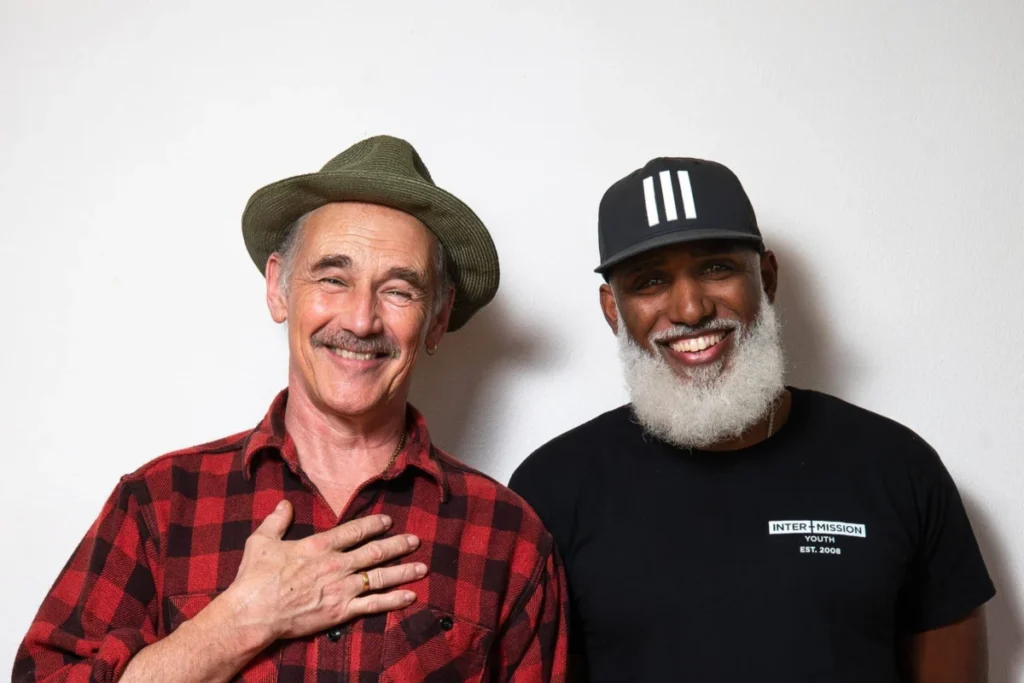

Oscar-winning actor Sir Mark Rylance is set to return to the London stage this autumn in the world premiere of a new adaptation of Molière’s seminal satirical comedy, Tartuffe. This highly anticipated production, written and directed by Darren Raymond, reimagines the 17th-century classic by relocating its biting social commentary to a contemporary African-Caribbean household, promising a fresh and culturally resonant exploration of hypocrisy and manipulation. The limited run will take place at the Marylebone Theatre, offering audiences a unique opportunity to witness a master performer engage with a timeless text through a profoundly modern lens.
A Bold Reimagining of a Classical Masterpiece
Molière’s Tartuffe, or The Impostor, first performed in 1664, remains one of the most celebrated and controversial works in the history of French theatre. Its original run was met with outrage from religious factions due to its unflinching portrayal of a pious fraud, leading to its temporary banishment from Parisian stages. The play tells the story of Tartuffe, a seemingly devout man who, through his manipulative charm and feigned piety, infiltrates the wealthy household of Orgon, gaining his trust and influence to the detriment of Orgon’s family. The narrative serves as a blistering critique of religious hypocrisy, moral blindness, and societal gullibility, themes that continue to resonate with remarkable force in various cultural contexts today.
Darren Raymond’s adaptation seeks to amplify these enduring themes by embedding them within a vibrant and specific cultural framework. By reimagining Tartuffe as a "corrupt English missionary" operating within an African-Caribbean family, the production introduces layers of post-colonial critique, cultural identity, and contemporary social dynamics that promise to enrich Molière’s original intentions. Raymond, known for his innovative approach to classical texts and his commitment to youth development through theatre, aims to create a piece that speaks directly to modern audiences while honouring the satirical spirit of the original.
Sir Mark Rylance: A Return to the London Stage with Purpose
For Sir Mark Rylance, a figure widely regarded as one of the greatest stage actors of his generation, this production marks a significant return to the London theatre scene. His last performance at the Marylebone Theatre, a sold-out run of Venus And Adonis in 2024, underscored his enduring appeal and capacity to captivate audiences. Rylance’s involvement in this Tartuffe is particularly meaningful given his long-standing dedication to Intermission Youth, the drama charity founded by Darren Raymond, where Rylance serves as a long-time trustee.
Expressing his enthusiasm for the project, Sir Mark lauded Raymond’s unique talent: "Darren’s genius for language and humour guarantees this will be a Tartuffe like no other. Our early rehearsals have been hilarious. The mix of a corrupt English missionary in a contemporary African Caribbean family culture is bringing out the authentic cadence and revolutionary meaning of this classic play." This statement highlights not only the comedic potential of the adaptation but also its profound thematic depth, suggesting a production that will be both entertaining and thought-provoking. Rylance further conveyed his excitement about collaborating with the Intermission Ensemble, a professional company comprising graduates from Intermission Youth, stating, "Since 2009 I’ve adored Darren Raymond’s productions of Shakespeare, created for his Intermission Youth theatre company. So, I’m very excited to work with him directing Intermission Ensemble, a professional company, remixing Molière’s satirical masterpiece." This collaboration underscores a powerful commitment to mentorship and the development of emerging talent.

Darren Raymond and Intermission Youth: Nurturing the Next Generation
Darren Raymond’s vision for this Tartuffe extends beyond mere artistic innovation; it is deeply rooted in his philanthropic work with Intermission Youth. Founded in 2007, Intermission Youth is a registered charity dedicated to transforming the lives of young people, primarily aged 16-25, from diverse and often challenging backgrounds, using Shakespeare and drama as a vehicle for personal and social development. The charity provides free drama training, mentorship, and performance opportunities, helping participants develop life skills, self-confidence, and a sense of purpose.
Raymond views the production as "a massive nod to the next generation," emphasising that Sir Mark will share the stage with alumni from Intermission Youth. This arrangement, he explains, is "not just a performance; it’s a tangible bridge between a stalwart of the stage and the young talent he has spent years mentoring." This integration of seasoned professionals with emerging artists is a cornerstone of Intermission Youth’s philosophy, providing invaluable exposure and professional experience to its graduates. Raymond further elaborated on the production’s artistic signature: "I am thrilled to see our company’s signature style come to life, where original verse meets the raw, rhythmic tapestry of cultural sounds that define our modern society." This commitment to blending classical text with contemporary rhythms and cultural expression promises a dynamic and engaging theatrical experience. The success of Intermission Youth can be measured by its impressive track record, with many alumni going on to pursue careers in theatre, film, and television, breaking down traditional barriers to access in the performing arts.
Molière’s Enduring Legacy and the Power of Adaptation
To fully appreciate the significance of this new Tartuffe, it is crucial to delve into the historical and cultural impact of Molière’s original work. Jean-Baptiste Poquelin, known by his stage name Molière, was a master playwright and actor of the French Baroque era, whose comedies satirised the hypocrisies and absurdities of 17th-century French society. Tartuffe stands as a testament to his genius, employing sharp wit and intricate plotlines to expose moral failings.
Upon its initial presentation at Versailles in 1664, Tartuffe quickly ignited a firestorm. The play’s critique of religious fanaticism and the powerful figure of the faux-pious Tartuffe was perceived by elements within the Catholic Church, particularly the Compagnie du Saint-Sacrement, as an attack on religion itself. King Louis XIV, initially supportive, was pressured to ban public performances, leading to a five-year period of censorship and numerous revisions by Molière. It was only in 1669, after significant rewrites and a more explicit condemnation of Tartuffe’s deception, that the play was finally allowed to be performed publicly and permanently. Despite, or perhaps because of, its controversial beginnings, Tartuffe became an instant classic, influencing generations of playwrights and continuing to be performed globally. Its themes of deceit, manipulation, and the struggle between reason and blind faith remain eternally relevant, making it a frequent subject for modern adaptations that seek to transpose its core message to new societal contexts.
The Artistic Vision: Bridging Eras and Cultures
The decision to set this Tartuffe within an African-Caribbean household in contemporary London is a bold artistic choice with profound implications. The character of the "corrupt English missionary" introduces a powerful layer of historical and socio-political commentary, echoing themes of colonialism, cultural imposition, and the complex legacies of empire. This specific framing allows for a nuanced exploration of how external influences can infiltrate and destabilise a family unit, mirroring the historical and ongoing dynamics between different cultures.

Raymond’s promise of "original verse meets the raw, rhythmic tapestry of cultural sounds" suggests a dynamic linguistic and sonic landscape. This fusion implies that the production will not merely transplant the original dialogue but will reinterpret it through the cadences, idioms, and musicality inherent in African-Caribbean English and cultural expression. This approach can make the classic text more accessible and immediate for a diverse audience, while also enriching the satirical bite with culturally specific humour and pathos. The interplay between the formal, almost archaic language of a missionary figure and the vibrant, modern speech of the family could create powerful dramatic tension and comedic moments, highlighting clashes of values, perspectives, and power.
Sir Mark Rylance: A Distinguished Career Defined by Excellence and Experimentation
Sir Mark Rylance’s illustrious career is characterised by a rare blend of classical mastery, profound character insight, and a fearless approach to experimental theatre. His contributions to the stage are legendary, particularly his tenure as the first artistic director of Shakespeare’s Globe Theatre from 1995 to 2005, where he championed original practices and brought a visceral immediacy to Shakespearean performance. His stage awards include three Laurence Olivier Awards, notably for his roles in Much Ado About Nothing (1994) and Jerusalem (2010), a play that became an instant modern classic.
Beyond the stage, Rylance has achieved significant acclaim in film and television. He won an Academy Award for Best Supporting Actor for his understated yet powerful portrayal of Soviet agent Rudolf Abel in Steven Spielberg’s 2015 historical drama, Bridge Of Spies. His role as Thomas Cromwell in the BBC adaptation of Hilary Mantel’s Wolf Hall earned him a BAFTA and solidified his reputation as an actor capable of conveying immense internal complexity with subtle grace. Rylance is known for his deeply empathetic approach to characters, often imbuing them with an unexpected humanity, even in villainous roles. His commitment to projects like Tartuffe, which combine artistic challenge with social purpose, reflects his broader philosophy as an artist who seeks to provoke thought and inspire change. His participation in this production not only guarantees a high level of performance but also lends considerable prestige and visibility to the work of Intermission Youth.
The Marylebone Theatre: A Growing Presence in London’s Arts Scene
The Marylebone Theatre, located in the heart of central London, has rapidly established itself as a vibrant and significant venue within the city’s competitive theatre landscape. Opened in 2022, it is a relatively new addition but has quickly gained a reputation for its ambitious programming, encompassing new writing, classical revivals, and international productions. The theatre aims to be a hub for artistic innovation and community engagement, attracting both established talent and emerging artists.
Hosting a world premiere starring Sir Mark Rylance, particularly one with such a culturally significant adaptation, further elevates the Marylebone Theatre’s standing. It signals the venue’s commitment to thought-provoking and high-quality productions that challenge conventions and engage with contemporary issues. The theatre’s intimate setting often allows for a more immersive and direct connection between performers and audience, which could particularly suit the satirical and emotionally charged nature of Tartuffe. The success of Rylance’s previous engagement, Venus And Adonis, demonstrates the theatre’s capacity to draw significant audiences and critical attention.
Broader Implications: Diversity, Mentorship, and the Future of Theatre

This new adaptation of Tartuffe carries significant implications for the broader theatrical landscape, touching upon themes of diversity, mentorship, and the enduring relevance of classical works.
-
Cultural Impact and Diversity: The production contributes significantly to the ongoing conversation about decolonising and diversifying classical theatre. By placing a Molière classic in an African-Caribbean context, it challenges traditional interpretations and opens up new avenues for cultural expression and critique. Such adaptations are crucial for ensuring that classical theatre remains dynamic, reflective of contemporary society, and accessible to a wider, more diverse audience. It demonstrates that classic narratives are universal and can gain new power when viewed through different cultural lenses.
-
Educational and Social Impact: The collaboration between Sir Mark Rylance and the Intermission Ensemble provides an invaluable platform for young, talented actors who might otherwise struggle to gain a foothold in the professional theatre world. It is a powerful example of how established artists can actively contribute to nurturing the next generation, bridging the gap between grassroots drama initiatives and mainstream professional productions. This tangible mentorship helps to break down systemic barriers in the arts, promoting inclusivity and offering concrete pathways for career development.
-
Artistic Innovation: Raymond’s approach to "remixing" Molière’s masterpiece highlights the enduring power of adaptation as an artistic tool. It showcases how classic texts can be re-energised and made relevant to contemporary issues, ensuring that they continue to provoke thought and inspire new generations of theatregoers and makers. The blend of original verse with modern cultural sounds pushes boundaries, suggesting new directions for the staging of historical works.
-
London’s Theatre Landscape: The production reinforces London’s reputation as a global leader in innovative and high-quality theatre. It demonstrates the city’s capacity to host ambitious projects that blend international talent with local cultural narratives, contributing to the vibrancy and diversity of its arts scene.
Anticipation and Outlook
As autumn approaches, anticipation for this unique production of Tartuffe is set to build. The combination of Sir Mark Rylance’s unparalleled stage presence, Darren Raymond’s innovative directorial vision, and the vital energy of the Intermission Ensemble promises a theatrical event of considerable cultural and artistic significance. The full cast and creative team, whose announcement is eagerly awaited, will further shape the public’s understanding and expectations of this groundbreaking adaptation. It stands poised to be a production that not only entertains but also sparks vital conversations about hypocrisy, cultural identity, and the enduring power of theatre to reflect and reshape our world.