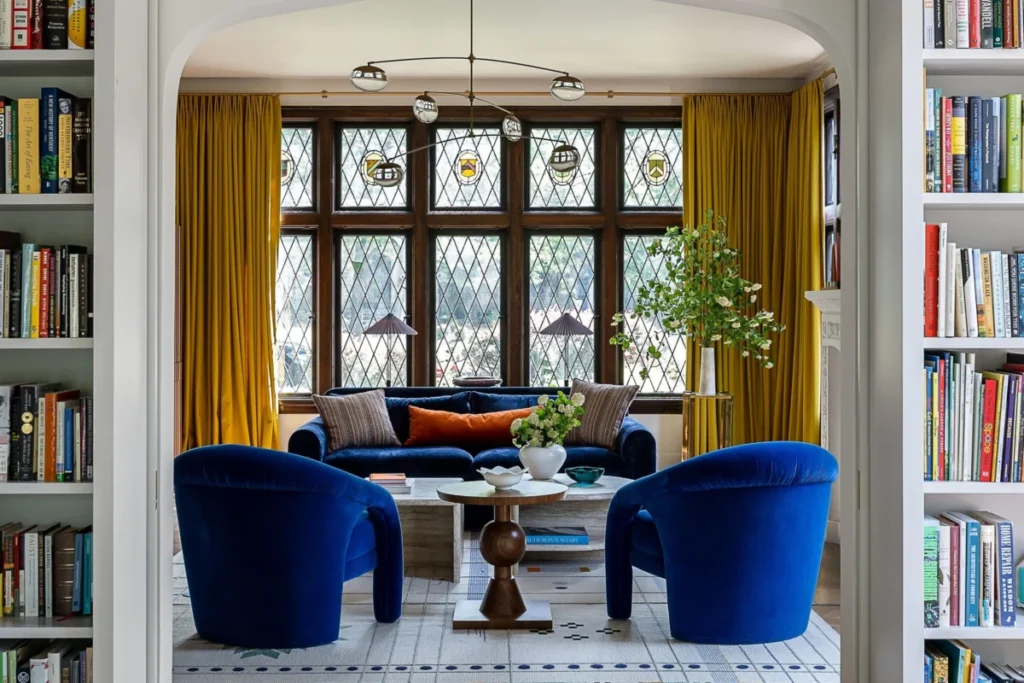

Modern interior design has increasingly prioritized the intersection of aesthetic appeal and utilitarian necessity, a shift driven by the narrowing square footage of urban living spaces and a growing consumer desire for organized, clutter-free environments. The living room, traditionally the hearth of the home, often serves as a primary victim of "visual noise"—a term designers use to describe the accumulation of remote controls, charging cables, reading materials, and assorted household sundries. To combat this, the furniture industry has seen a significant surge in the demand for coffee tables with integrated storage solutions. These pieces, which range from minimalist wooden drums to sophisticated lift-top units, represent a strategic evolution in furniture design, moving beyond the static surfaces of the past to become multi-functional hubs of the home.

The rise of the "collected home" aesthetic has further complicated the design landscape. Unlike the stark minimalism of the early 2010s, current trends favor a lived-in feel that incorporates personal artifacts, heirloom-quality materials, and layered textures. However, maintaining this look requires a disciplined approach to storage. Industry experts suggest that the most effective way to achieve a curated appearance is to utilize furniture that incorporates hidden compartments, built-in drawers, and open shelving directly into its structural silhouette. By replacing bulky external bins or overflowing baskets with integrated storage, homeowners can preserve the architectural integrity of their living rooms while ensuring that daily essentials remain accessible yet invisible.
Historical Context and the Chronology of the Coffee Table
To understand the current market for storage-integrated furniture, it is necessary to examine the historical evolution of the coffee table itself. The piece as we know it today did not exist in Western homes until the late 19th century. Its predecessor, the "tea table," was significantly taller, designed to accommodate the standing or high-seated rituals of tea service. As the social focus shifted toward coffee consumption and lower, more relaxed seating—influenced by Anglo-Japanese and Ottoman styles in the Victorian era—the table’s height dropped.
.jpeg)
By the mid-20th century, the coffee table had become a staple of the American living room, largely serving as a pedestal for art books and cocktail trays. However, the post-war housing boom and the subsequent rise of television culture transformed the piece into a utility hub. The "storage" aspect initially manifested as simple lower tiers or shelves. It was not until the late 20th and early 21st centuries, as digital devices proliferated and living spaces in metropolitan hubs like New York, London, and Tokyo began to shrink, that designers began to engineer the complex internal mechanisms—such as hydraulic lift-tops and rotating cavities—that define the modern storage coffee table.
Supporting Data: The Growth of Multifunctional Furniture
Market research underscores the strategic importance of this furniture category. According to data from Grand View Research, the global home furniture market was valued at approximately $540 billion in 2022 and is projected to expand at a compound annual growth rate (CAGR) of over 5% through 2030. Within this broader market, the "multifunctional furniture" segment is one of the fastest-growing niches. Consumer behavior analysis indicates that over 60% of apartment dwellers prioritize "space-saving" and "hidden storage" when purchasing new living room centerpieces.
.jpeg)
Furthermore, a 2023 survey by the American Society of Interior Designers (ASID) revealed that 74% of respondents felt that "reducing visible clutter" was a top priority for improving their mental well-being at home. This psychological factor has turned the storage coffee table from a luxury item into a wellness-adjacent necessity.
Top-Tier Design Solutions: A Categorical Analysis
The current market offers several distinct approaches to the storage dilemma, each catering to different spatial requirements and stylistic preferences.
.jpeg)
1. The Rotating Cavity: West Elm Storage Drum Coffee Table
The West Elm Storage Drum represents the "Best Overall" category due to its innovative use of space. Rather than utilizing traditional drawers, which require clearance to pull out, this kiln-dried wood table features a divided top that rotates. This reveals an expansive internal cavity capable of housing large items like throw blankets or gaming consoles. The design is particularly effective for circular traffic patterns in smaller rooms where protruding drawers might create an obstruction. Available in finishes like blackened oak and walnut, it aligns with the "dark wood renaissance" currently dominating high-end interior trends.
2. Subtle Drawer Integration: Article Torme Storage Coffee Table
For those seeking a more traditional aesthetic with modern capabilities, the Article Torme utilizes a low-to-the-ground, sleek profile. Its primary innovation lies in its "ultra-subtle" storage; two deep drawers are built into the tabletop itself, spanning the entire width of the piece. By opening from only one side, the design maintains a clean, monolithic look from the front, effectively camouflaging the storage functionality.
.jpeg)
3. The Work-From-Home Hybrid: Article Sigrid Storage Coffee Table
The "lift-top" coffee table has become a critical tool for the "work-from-home" (WFH) era. The Article Sigrid features a top that hinges in the middle and lifts upward, bringing the surface closer to the user. This mechanism serves two purposes: it creates an ergonomic desk height for laptops and provides deep internal storage for board games or linens. The use of playful bun feet and sturdy oak construction ensures that the piece retains a sophisticated, furniture-grade feel rather than looking like a mechanical gadget.
4. The Upholstered Ottoman Approach: Pottery Barn and Joss & Main
Storage ottomans, such as the Pottery Barn Teen Baldwin or the Joss & Main Murano, offer a softer alternative to wood or metal. These pieces serve as a footrest, additional seating, and a storage chest simultaneously. The inner cavities of these oversized ottomans are often the largest available in the category, making them ideal for storing extra bedding in studio apartments. Designers often recommend pairing these with decorative trays to provide a stable surface for drinks and remotes.
.jpeg)
5. Material Innovation: Burl Wood and Woven Textures
Designers are also leaning into unconventional materials to make storage pieces stand out. The Ferm Living Burl Storage Coffee Table utilizes the dramatic grain pattern of burl wood to create a sculptural focal point. Meanwhile, the Serena & Lily Driftway and the Pottery Barn Huntington Outdoor Coffee Table use hand-wrapped linen and woven wicker, respectively, to soften the visual weight of the storage compartments. These materials cater to the "Organic Modern" and "Coastal" design movements, which prioritize natural textures.
Broader Impact and Design Implications
The shift toward storage-integrated coffee tables reflects a broader change in how we perceive the "private" vs. "public" nature of our homes. As homes increasingly serve as offices, gyms, and entertainment centers, the ability to quickly "reset" a room by stowing away the remnants of daily activity is vital.
.jpeg)
From a sustainability standpoint, many of these high-end pieces are now manufactured using kiln-dried wood and FSC-certified materials, addressing consumer concerns about the environmental impact of furniture production. Kiln-drying, in particular, is a crucial technical detail; it removes moisture from the wood to prevent warping or cracking over time, ensuring that the complex mechanical parts of a storage table—like drawer glides and hinges—continue to function for decades.
Official Responses and Expert Perspectives
While manufacturers like Arhaus and McGee & Co. emphasize the "heirloom" quality of their storage pieces, interior designers often highlight the "zoning" capabilities of these tables. "A well-placed storage coffee table acts as an anchor for the seating arrangement," notes a senior editor at a leading design publication. "It defines the boundaries of the living area while performing the work of three different pieces of furniture."
.jpeg)
Furniture retailers have also responded to the "compact living" trend by diversifying the shapes of storage tables. Square and rectangular options provide more surface area for those who entertain, while round drums are preferred for homes with young children to minimize sharp corners.
Guidelines for Consumer Selection
When selecting a storage coffee table, design experts suggest focusing on three primary criteria:
.jpeg)
- Material Durability: For high-traffic households, performance fabrics or hardwoods like oak and walnut are preferable to veneers.
- Access Type: Homeowners must consider whether they prefer "open storage" (shelves) for display or "closed storage" (drawers/lids) for concealing clutter.
- Proportions and Clearance: A storage table is only functional if there is enough room to actually open the drawers or lift the top without hitting other furniture. A standard rule of thumb is to allow 14 to 18 inches of space between the table and the sofa.
As the boundary between work and life continues to blur, the demand for "hardworking" furniture is expected to remain high. The coffee table with storage is no longer just a trend; it is a permanent fixture in the modern design toolkit, offering a pragmatic solution to the complexities of 21st-century domestic life. By blending thoughtful engineering with high-end materials, these pieces prove that functionality does not have to come at the expense of beauty.