
The digital landscape of the K-pop industry has witnessed a significant shift in how fans evaluate and celebrate their favorite performers, moving beyond traditional metrics of vocal range or dance technicality to a more nuanced concept known as aura. This shift has culminated in a high-profile interactive campaign hosted by Koreaboo, where fans are currently casting votes for over ten elite male idols to determine who deserves the title of Aura Farming King. The term aura farming, a contemporary piece of internet slang that has permeated the Hallyu wave, refers to the deliberate or natural accumulation of presence, style, and gravitas that allows an individual to command attention without uttering a single word. As the poll gains momentum, it highlights a broader trend in the entertainment industry where visual storytelling and intangible charisma are as vital to a group’s success as their musical output.
The poll serves as a snapshot of the current power dynamics within the fourth and fifth generations of K-pop, while also acknowledging the enduring influence of third-generation veterans. In the modern era of social media, where short-form video content on platforms like TikTok and Instagram Reels dictates global trends, an idol’s ability to capture the "vibe" or "aura" of a concept has become a primary driver of viral success. This phenomenon is not merely about physical attractiveness; it encompasses a combination of sartorial choices, facial expressions, and the psychological impact an artist has on an audience during live performances or public appearances.
The Evolution of the Aura Metric in Global Entertainment
Historically, the K-pop industry has been built on the foundation of rigorous training in the "triple threat" categories: singing, dancing, and rapping. However, as the market reached global saturation, entertainment agencies began to place a higher premium on the "IT factor"—an indefinable quality that separates a talented performer from a global icon. The transition to the term "aura farming" reflects the Gen Z influence on the fandom, where the focus is on how an idol carries themselves in high-pressure environments, such as international fashion weeks or sold-out stadium tours.
Data from social media analytics firms suggests that idols who rank high in "aura" often see a direct correlation with their brand reputation index. For instance, when an idol is described as having a "God-tier aura," their engagement rates on sponsored content tend to outperform their peers who may have higher technical skills but less visual "weight." This transition has led to a new era of idol development where performance directors and stylists work in tandem to curate a specific energy for each member, ensuring that every movement contributes to their overall presence.
Analysis of the Top Contenders and Their Unique Appeal
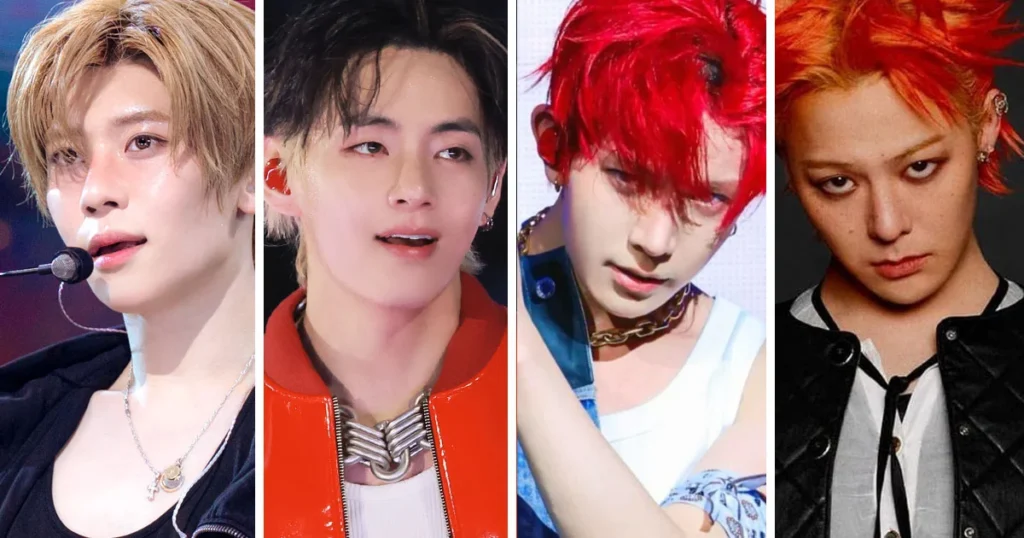
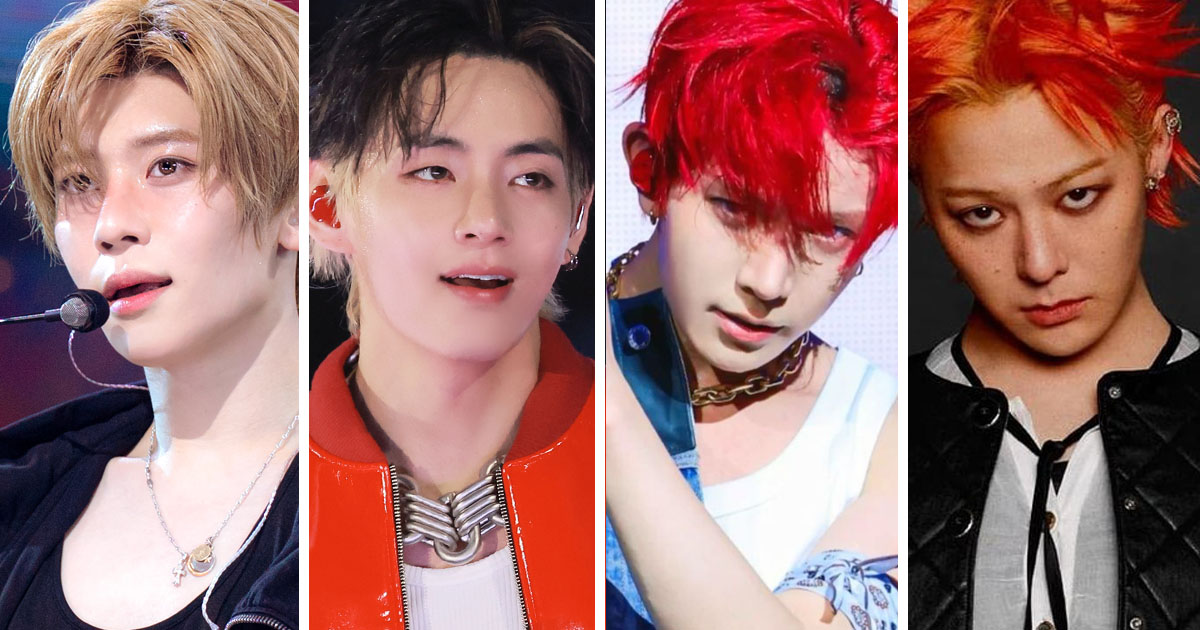
The Koreaboo poll features a curated list of idols known for their distinct and commanding presences. While the list includes over ten individuals, several key figures have emerged as frontrunners due to their consistent ability to dominate the digital conversation.
V, also known as Kim Taehyung of BTS, is frequently cited as the gold standard for aura in the K-pop industry. His ability to transition from a playful personality to a brooding, cinematic presence on stage has been the subject of numerous academic and fan-led analyses. V’s aura is often described as "classical" or "theatrical," drawing comparisons to old Hollywood stars. His impact is measurable; his appearances at events for luxury brands like Celine have historically caused "server-crushing" levels of traffic, a testament to the magnetism he exerts over a global audience.
In contrast, Felix of Stray Kids represents a more modern, "ethereal" aura. His deep baritone voice paired with his elfin visuals creates a cognitive dissonance that fans find captivating. This contrast is a form of aura farming that utilizes surprise and subversion of expectations. Similarly, his teammate Hyunjin is often noted for his "artistic" aura, characterized by fluid movements and a dramatic flair that mirrors contemporary dance and fine art.
Yeonjun of Tomorrow X Together (TXT) has been dubbed the "4th Generation It Boy," a title largely earned through his fashion-forward presence and "unbothered" confidence. His aura is rooted in the "cool" factor—an effortless ability to make complex choreography or avant-garde fashion look natural. This demographic of idols represents the shift toward a more individualistic and personality-driven form of stardom.
The Role of Fashion and Luxury Brand Ambassadorships
A significant portion of an idol’s aura is cultivated through their association with high-fashion houses. The "aura farming" process is often accelerated when an idol is appointed as a global ambassador for brands such as Chanel, Dior, Prada, or Louis Vuitton. These partnerships provide a platform for idols to showcase their charisma outside the context of music, placing them in front of a global elite and fashion critics.
The synergy between K-pop and luxury fashion has created a feedback loop: brands seek out idols with a pre-existing "aura" to elevate their collections, while the prestige of the brand further enhances the idol’s perceived status. This is a strategic move for entertainment agencies, as it diversifies an idol’s portfolio and ensures longevity in an industry known for its rapid turnover. Statistical evidence from the 2023-2024 fashion cycle showed that K-pop idols were responsible for nearly 40% of the Earned Media Value (EMV) during Paris and Milan Fashion Weeks, outperforming traditional Western celebrities. This data underscores why fans are so invested in the "Aura Farming King" poll—it is a recognition of an idol’s cultural capital.
Chronology of Fan Engagement and Digital Voting Trends
The current poll is part of a larger timeline of fan-driven competitions that have shaped the K-pop landscape over the last decade.
- The Survival Show Era (2015–2019): Programs like Produce 101 and Sixteen shifted the power to the fans, allowing them to vote for the lineup of new groups. This established the "voting culture" that persists today.
- The Rise of Individual Brand Rankings (2020–2022): The Korean Business Research Institute began releasing monthly brand reputation rankings, which fans used as a metric for success.
- The Concept of "Aura" Gains Mainstream Traction (2023–Present): Terms like "aura," "main character energy," and "serving" became the primary vocabulary for international fans.
- The Launch of the Aura Farming Poll (May 2026): Koreaboo initiated the vote to formalize a trend that had been circulating on X (formerly Twitter) and Reddit for months.
Within the first 48 hours of the poll’s launch, engagement reached hundreds of thousands of interactions. The comments sections on social media platforms have become a space for "fancam" sharing, where supporters post 10-second clips of their favorites to prove their "aura" in real-time. This level of participation indicates that fans no longer see themselves as passive consumers but as active participants in an idol’s branding.
Broader Implications for the Global Music Industry
The coronation of an "Aura Farming King" has implications that extend beyond a simple fan poll. It reflects a fundamental change in the global entertainment hierarchy. As K-pop continues to influence Western markets, the emphasis on "aura" and holistic branding is being adopted by artists worldwide. Western labels are increasingly looking at the K-pop model of visual storytelling and stage presence as a blueprint for building a loyal, digitally-active fanbase.
Furthermore, the focus on aura highlights the psychological connection between the performer and the audience. In an age of AI-generated content and digital perfection, "aura" represents something human and irreplaceable—a specific energy that cannot be easily replicated by an algorithm. For the idols involved, winning such a poll is a validation of their hard work in developing a unique stage persona that resonates on a visceral level with millions of people.
Conclusion and Future Outlook
As the voting continues, the competition remains fierce among the top-tier candidates. Whether the title goes to a seasoned veteran or a rising star of the fifth generation, the "Aura Farming King" poll has successfully identified the new currency of the K-pop world. Success is no longer just about the charts or the trophy count; it is about who can command the room, who can define a trend, and who possesses the intangible magnetism that keeps the world watching.
The results of this poll are expected to influence future casting for variety shows, brand endorsements, and even the creative direction of upcoming album concepts. In the high-stakes world of international pop music, having a "God-tier aura" is the ultimate competitive advantage, and the fans are more than ready to decide who holds that power. The industry will be watching the final tally closely, as it will likely signal which idols will lead the Hallyu wave into its next evolution.