
The Evolution of the Noir Universe
The character of Spider-Man Noir first appeared in Marvel Comics in 2009, created by writers David Hine and Fabrice Sapolsky and artist Carmine Di Giandomenico. Set against the backdrop of the Great Depression in 1933, the original comic run reimagined Peter Parker as a hard-boiled investigative reporter operating in a world of corruption, mobsters, and pulp fiction tropes. The character gained mainstream global recognition following the 2018 animated feature Spider-Man: Into the Spider-Verse, where Nicolas Cage provided the voice for the monochrome hero.
The New York premiere serves as the culmination of a multi-year development process aimed at bringing this specific iteration of the character to the small screen. Unlike the traditional Spider-Man narrative, Spider-Noir focuses on an aging, down-on-his-luck private investigator in 1930s New York who is forced to grapple with his past life as the city’s only superhero. The series is expected to lean heavily into the noir genre, utilizing the period setting to explore themes of social inequality, political upheaval, and the moral ambiguities of justice.
The Premiere Event and Red Carpet Overview
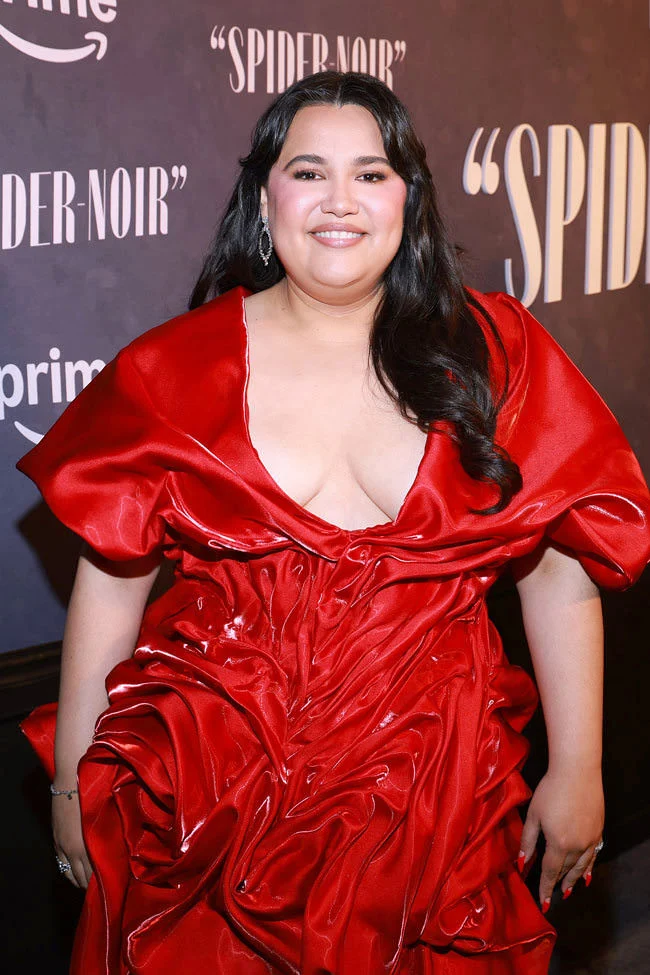
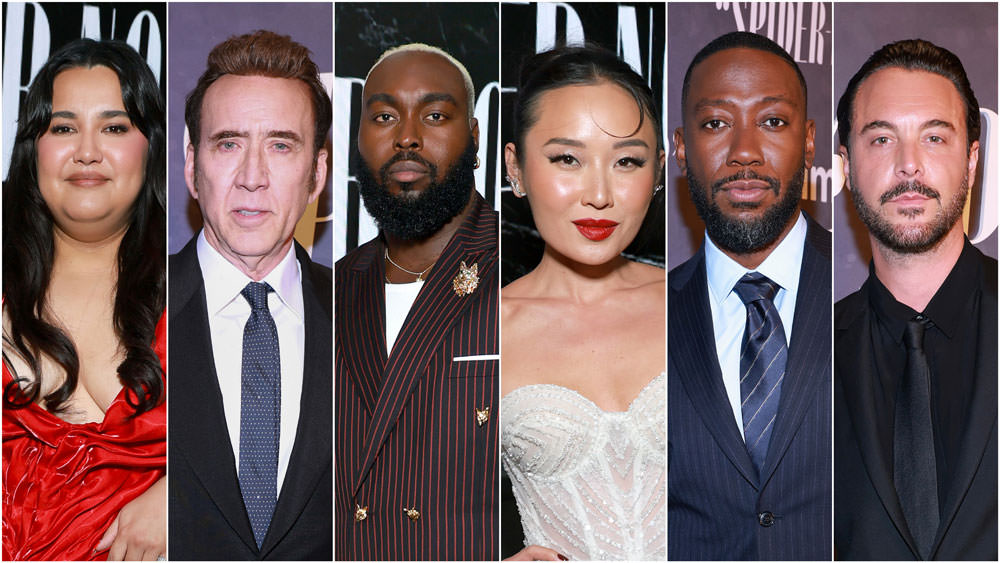
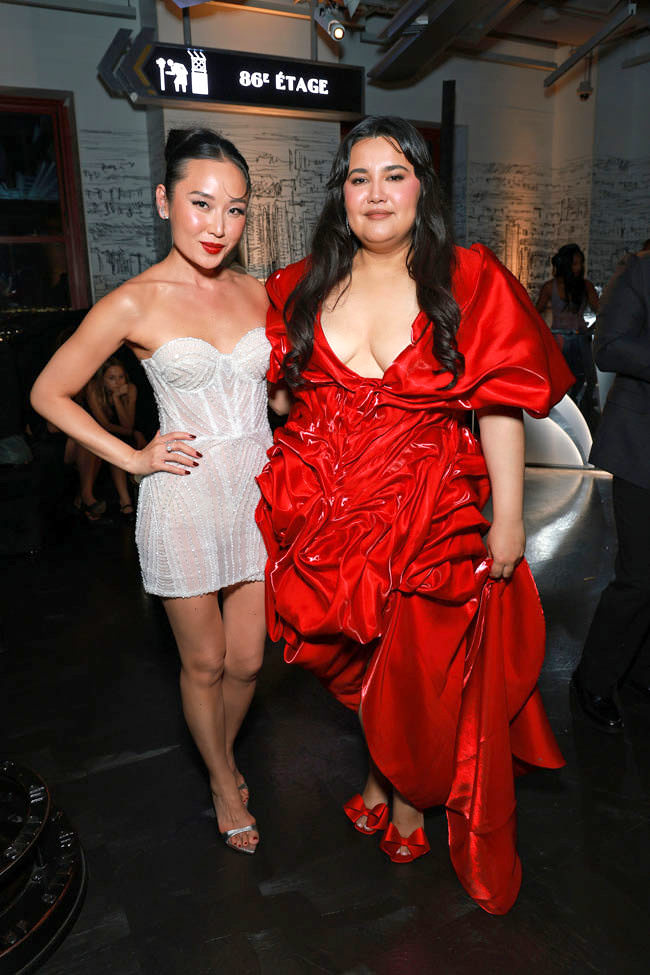
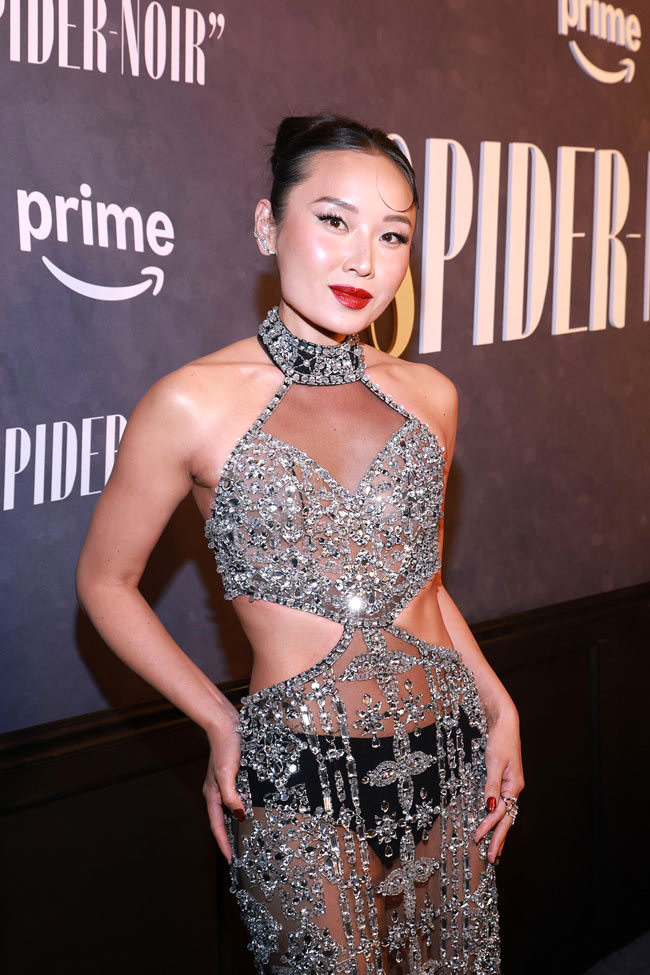
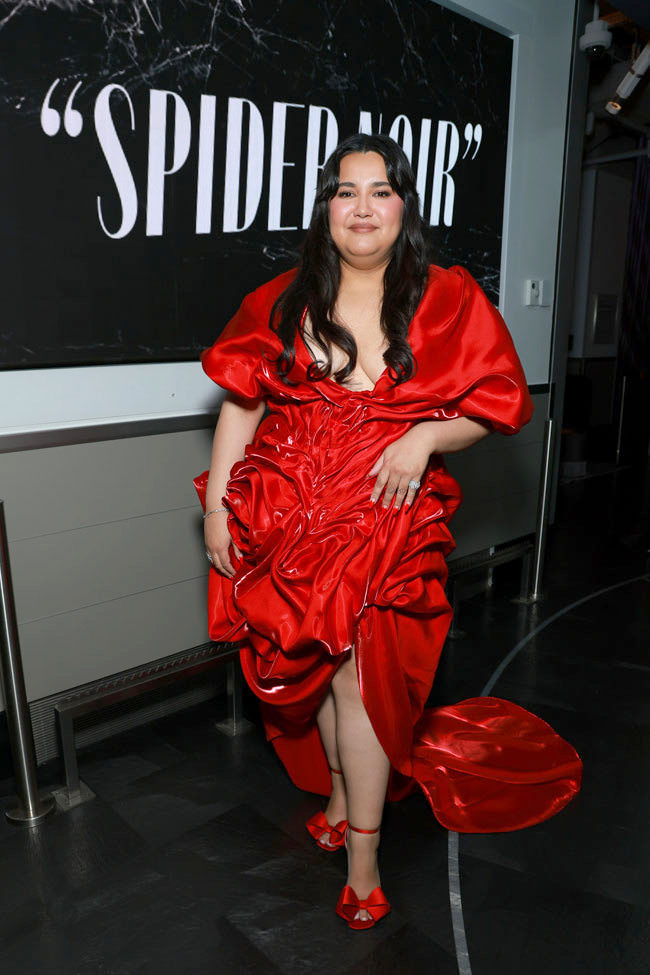
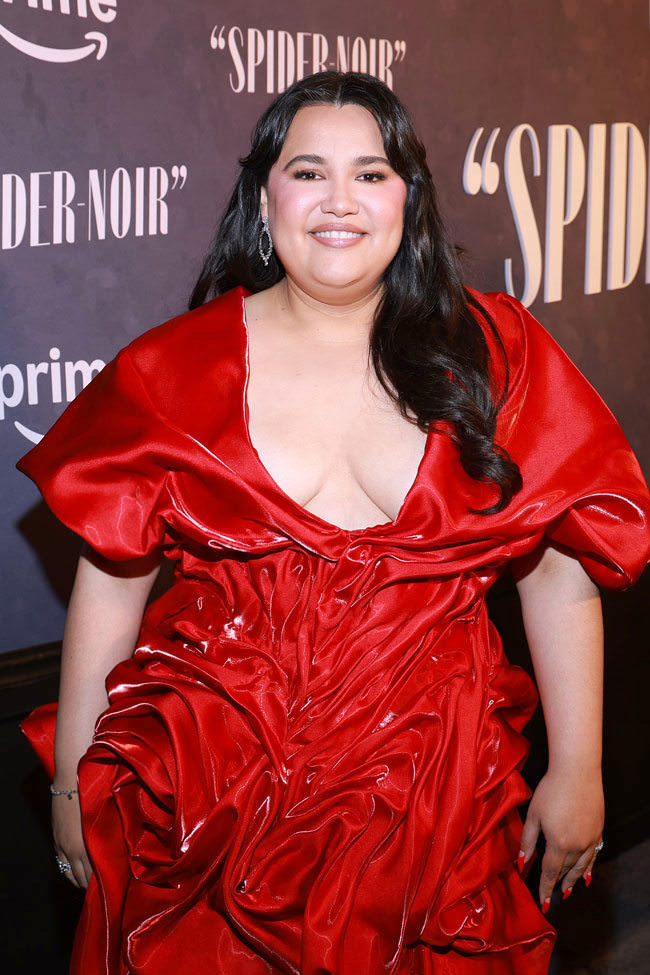
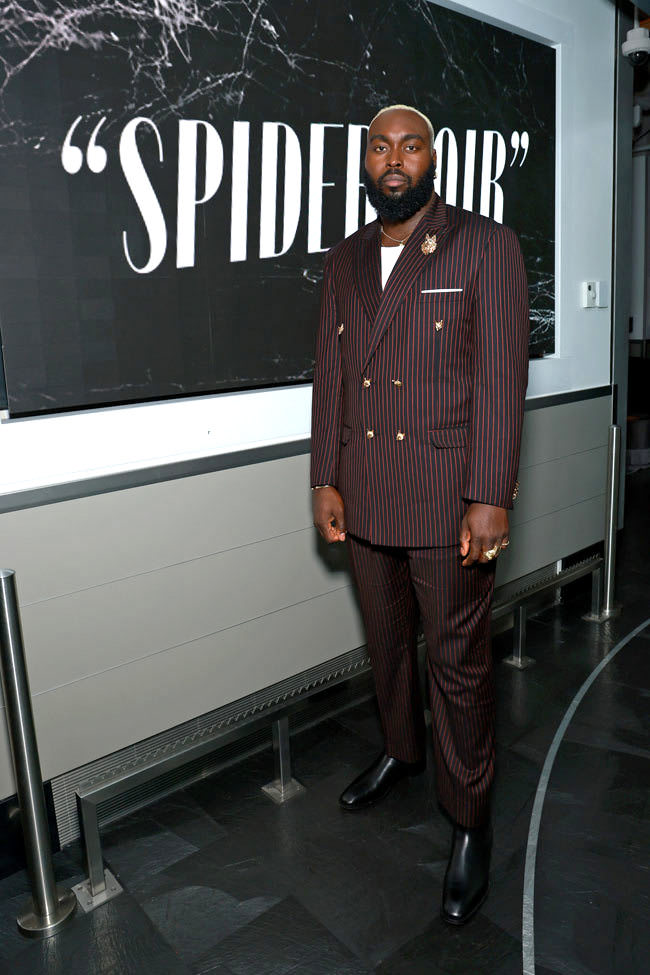
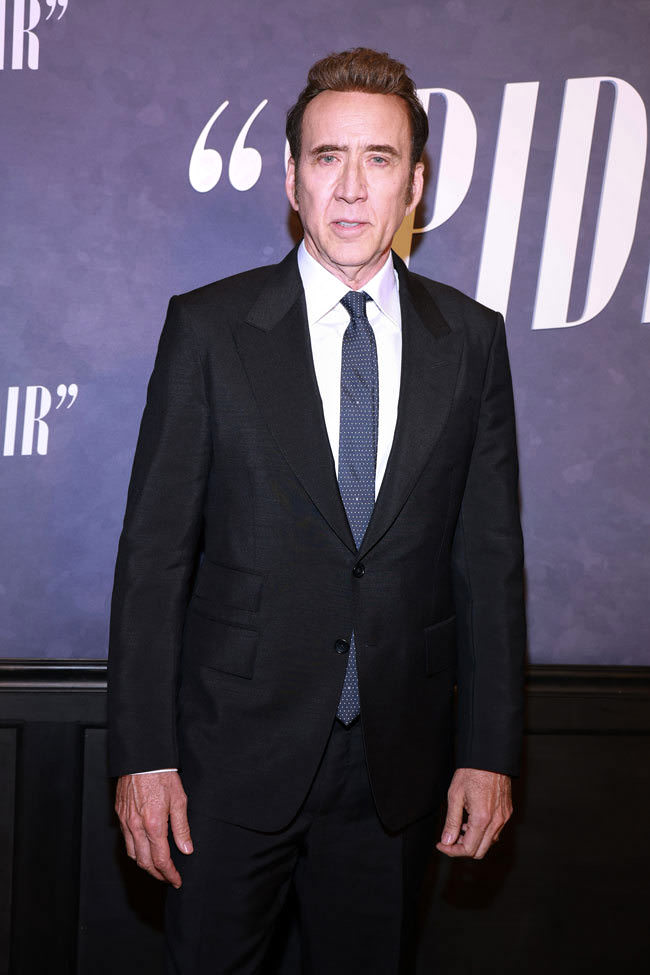
The New York City premiere and reception featured the primary cast and creative leadership, showcasing the scale of the production. Nicolas Cage, who serves as both the lead actor and an executive producer, led the arrivals. He was joined by Emmy Award-winning actor Lamorne Morris, Li Jun Li, Abraham Popoola, Karen Rodriguez, Jack Huston, and Brendan Gleeson. The red carpet reflected the atmospheric tone of the series, with many attendees opting for ensembles that mirrored the sophisticated yet somber aesthetic of the 1930s setting.
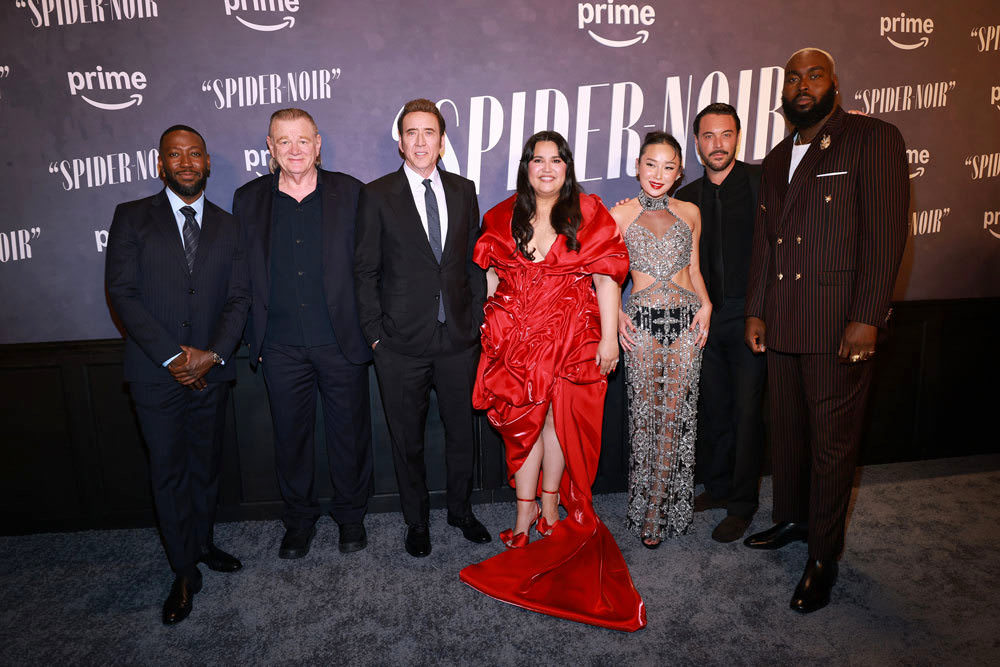
While the event served as a promotional platform, it also functioned as a showcase for the diverse talent involved in the project. The presence of veteran actors like Brendan Gleeson and Jack Huston underscores the prestige nature of the series, which aims to distinguish itself from more traditional, high-octane superhero fare through character-driven storytelling and cinematic production values.
Cast and Character Profiles
The casting for Spider-Noir has been a point of significant interest for industry analysts and fans alike. Nicolas Cage’s return to the role is seen as a major coup for Sony and Amazon. Cage, known for his transformative performances, is tasked with portraying a version of the character that is physically and emotionally weathered.
Lamorne Morris, known for his work on New Girl and Fargo, takes on the role of Robbie Robertson. In Marvel lore, Robertson is a pivotal figure at the Daily Bugle, often serving as a moral compass for the newsroom. In this 1930s reimagining, Morris’s portrayal is expected to delve into the challenges faced by a Black journalist during the Jim Crow era, adding a layer of historical realism to the superhero narrative.
Brendan Gleeson, an Academy Award nominee for The Banshees of Inisherin, joins the cast in a role that has generated substantial speculation. Reports suggest Gleeson portrays a formidable antagonist, potentially a version of a classic Spider-Man villain adapted for the noir timeline. The inclusion of Li Jun Li, who previously appeared in Babylon, and Abraham Popoola, known for Slow Horses, further emphasizes the production’s commitment to a high-caliber ensemble.

Creative Leadership and Production Pedigree
The technical and creative force behind Spider-Noir includes some of the most successful names in modern television and film. Harry Bradbeer, the Emmy Award-winning director of Fleabag and Killing Eve, directed the first two episodes and serves as an executive producer. Bradbeer’s involvement suggests a series that will balance dark, atmospheric tension with the sharp, character-focused wit he is known for.
The series was developed by Oren Uziel and Steve Lightfoot, who serve as co-showrunners. Uziel’s previous credits include The Lost City and 22 Jump Street, while Lightfoot is well-versed in the Marvel television landscape, having served as the showrunner for Marvel’s The Punisher. Their collaboration aims to merge the kinetic energy of the Spider-Man brand with the gritty, grounded nature of a crime thriller.
Furthermore, the project is overseen by the Academy Award-winning team of Phil Lord, Christopher Miller, and Amy Pascal. As the architects of the Spider-Verse animated franchise, their executive production roles ensure a level of creative continuity and quality control that has become a hallmark of their work with Sony’s Marvel properties.
Strategic Significance for Sony and Amazon
The launch of Spider-Noir is a critical component of a broader strategic partnership between Sony Pictures Television and Amazon MGM Studios. Under a 2022 agreement, the two entities planned to develop several live-action series based on Marvel characters controlled by Sony. While some projects, such as Silk: Spider Society, have undergone significant redevelopment or cancellation, Spider-Noir has moved forward as the flagship title of this collaboration.
For Sony, the series represents an opportunity to monetize its library of over 900 Marvel characters outside of the traditional theatrical window. By focusing on a "multiverse" variant like Spider-Man Noir, Sony can tell standalone stories that do not necessarily require the presence of the main Marvel Cinematic Universe (MCU) Peter Parker, thereby avoiding complicated narrative overlaps.
For Amazon, the series is a high-profile addition to Prime Video’s "superhero" vertical, which already includes hits like The Boys and Invincible. Spider-Noir offers a more mature, stylistically distinct alternative to the family-friendly tone often associated with Disney’s MCU projects.
Industry Impact and Genre Blending
The production of Spider-Noir highlights a growing trend in the entertainment industry: the blending of superhero tropes with specific cinematic genres. By utilizing the 1930s noir framework, the showrunners are able to explore detective fiction, political thrillers, and historical drama within a comic book context. This approach follows the success of projects like The Batman or Joker, which found critical and commercial success by distancing themselves from standard "cape and cowl" conventions.
The series also marks a significant investment in New York-based production. Filming in and around the city allowed the production team to utilize authentic historical architecture, supplemented by high-end visual effects to recreate the Depression-era skyline. The technical execution of the series, including its cinematography and costume design, was a primary topic of discussion during the New York premiere reception, with early attendees noting the show’s unique visual palette.
Future Outlook and Release Timeline
Following the New York premiere, Spider-Noir is scheduled for an exclusive debut on the MGM+ linear channel, followed by a global release on Prime Video. The rollout strategy is designed to maximize visibility across both traditional cable audiences and streaming subscribers.
As the first live-action Spider-Man series to emerge from the Sony-Amazon partnership, the success of Spider-Noir will likely determine the future of other planned spin-offs. If the series resonates with audiences, it could pave the way for a more expansive "Noir" universe or other character-specific limited series. The critical reception of Nicolas Cage’s performance will also be a key factor; should his transition to live-action be well-received, it may encourage other voice actors from the Spider-Verse to explore physical roles in future iterations.
In conclusion, the Red Carpet Rundown SPIDER-NOIR New York Premiere and Reception was more than a mere promotional event; it was a declaration of intent for a new era of superhero storytelling. By combining a legendary lead actor, a world-class creative team, and a rich, historical setting, Spider-Noir seeks to redefine what a comic book adaptation can be in the modern streaming landscape. As the series prepares for its public launch, the industry remains focused on whether this dark, monochrome vision of New York can capture the same magic that made the character a breakout star of the animated world.