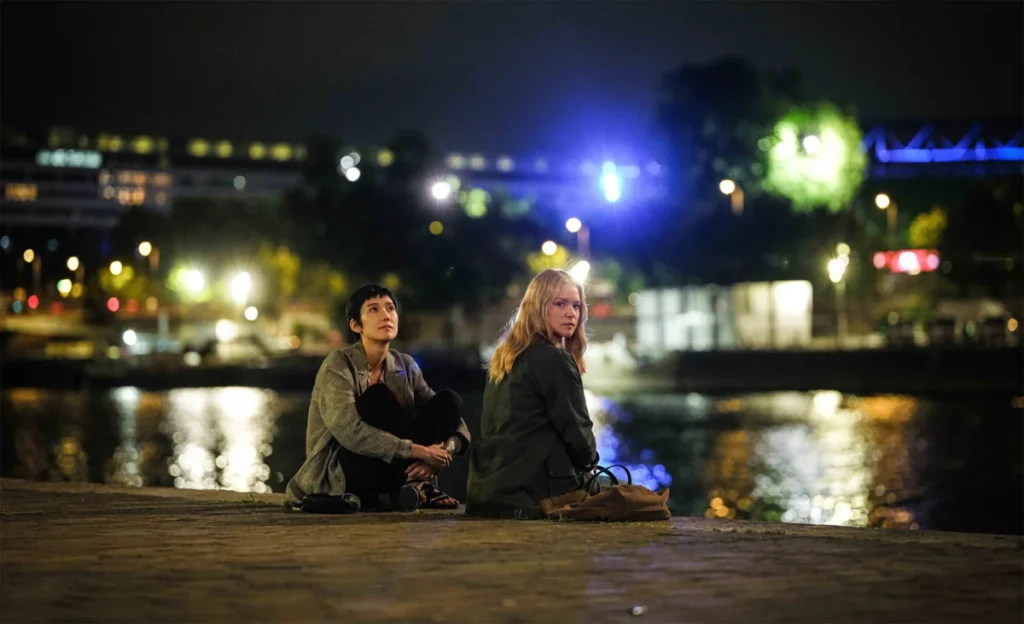

The 79th annual Cannes Film Festival, a prestigious global cinematic event, has once again served as a platform for groundbreaking storytelling and artistic innovation. Amidst the glittering premieres and fervent discussions that define the Croisette, Ryusuke Hamaguchi’s latest offering, All of a Sudden (also known as Soudain or Suddenly in French), has emerged as a profound and deeply resonant work, earning widespread acclaim and solidifying its position as a potential Palme d’Or contender. The film, a departure from Hamaguchi’s previous Japanese settings, transposes his signature contemplative style to the vibrant, yet introspective, streets of Paris, presenting what many critics are hailing as his most masterful and philosophically rich narrative to date.
Premiering on May 15, 2026, All of a Sudden delves into fundamental questions of human existence, societal structures, and the transformative power of art and compassion. The film, a nearly three-hour and twenty-minute epic, is described by those who have experienced it as an immersive and emotionally charged exploration of flawed humanity and the potential for evolution. Its ability to evoke such a powerful and immediate response from audiences, as evidenced by the palpable post-screening energy described by early viewers, speaks volumes about its impact.
A Deep Dive into Humanity and Care
All of a Sudden is a collaborative effort, co-written by director Ryusuke Hamaguchi and Léa Le Dimna. It draws loose inspiration from the book You and I – The Illness Suddenly Get Worse by Makiko Miyano and Maho Isono. The narrative centers on the serendipitous connection forged in Paris between two individuals whose lives are profoundly altered by their encounter.
At its heart, the film features Virginie Efira as Marie-Lou, a dedicated and hardworking manager of an elderly care facility named "The Garden of Freedom." Marie-Lou is a champion of "Humanitude," an innovative care philosophy aimed at profoundly humanizing residents. This approach emphasizes recognizing individuals beyond their status as patients, dedicating extra time and attention to their unique needs and experiences, a stark contrast to more routine-based nursing practices.
Her life takes an unexpected turn when she meets Mari, portrayed by Tao Okamoto, a Japanese theater director staging a production in Paris. Mari is grappling with a recurrence of cancer, a diagnosis that looms large and threatens to "suddenly" worsen, lending a poignant urgency to the film’s title. Their shared time in Paris becomes a crucible for deep conversations about life, death, philosophical inquiries into work, and a remarkably incisive critique of capitalism’s societal detriments. The chemistry and intellectual rapport between Efira and Okamoto have been singled out as a major strength, with their dialogues described as endlessly captivating.
Beyond the Facade: A Metaphor for Societal Ills
While the film’s surface narrative explores themes of elderly care and the operational intricacies of a Parisian hospice, All of a Sudden is fundamentally a broader examination of humanity itself. It probes the fractures within capitalism and modern society, questioning why humanity seems to be malfunctioning and how we might transcend our current limitations. The struggles and challenges faced by the hospice—from budget constraints and staffing issues to inherent safety risks—serve as a microcosm, a powerful metaphor for larger societal dysfunctions.
Hamaguchi uses this intimate setting to conduct a grander examination of life. Peeling back the layers of dialogue and interpersonal dynamics, the film ultimately celebrates the inherent grandeur, beauty, and magic of existence. It advocates for a shift in perspective, urging viewers not just to prepare for death, but to ensure that lives are lived to their fullest, most magnificent potential until the very end. This perspective is lauded not only for its profound emotional resonance and humility but also for its life-affirming and eye-opening cinematic approach. The film is poised to encourage a reevaluation of humanity, potentially inspiring significant shifts in individual perspectives and life choices.

The Courage of Change and the Power of Art
A particularly striking aspect of All of a Sudden is its nuanced portrayal of change and evolution, acknowledging that progress inherently involves risk and vulnerability. Hamaguchi illustrates that setbacks and stumbles are not only inevitable but also essential components of growth. This powerful depiction of the necessary elements for advancement is rendered with exceptional tenderness and concern, presented in a clear and compelling cinematic language rarely achieved with such grace.
The emotional impact of the film has been profound, leaving many viewers deeply moved by its multifaceted messages, delicate storytelling, and overarching love for all individuals, irrespective of their background. Tears shed during screenings are not attributed to sadness but to the sheer beauty, humility, and sincerity with which Hamaguchi dissects the human condition. The film addresses the current state of global affairs and societal challenges with an unprecedented level of empathy, offering a hopeful counter-narrative to films that often falter in their attempts to tackle such weighty issues.
All of a Sudden posits that art, particularly through theater and its inherent emphasis on compassion and connection, acts as a potent catalyst for change. While art itself may not be the direct mechanism of transformation, it can ignite the internal processes that lead to growth. The film suggests that it is through compassion and authentic connection with one’s own soul, and subsequently with others, that humanity can truly evolve. This message of hope, rooted in tangible human interaction and artistic inspiration, resonates deeply, offering a more profound and believable vision for a better future.
A Cinematic Triumph of Depth and Visual Splendor
Despite its substantial runtime of three hours and twenty minutes, All of a Sudden is reported to be an utterly absorbing experience, with every minute justified by the depth of its narrative and the richness of its execution. Hamaguchi allows conversations to unfold organically, granting each scene the space it needs to breathe and resonate.
Visually, the film is a triumph. Cinematographer Alan Guichaoua is credited with crafting a vivid, lush, and life-affirming visual landscape. From the evocative hues of Parisian sunsets to the vibrant city lights, the imagery enhances the film’s thematic explorations. However, the true strength lies in the characters and the profound emotional connection they foster. Each individual on screen, even those with minor roles, is presented with such warmth and authenticity that they become deeply beloved by the audience.
Particular praise is reserved for veteran Japanese actor Kyōzō Nagatsuka, who delivers an unforgettable performance as Goro, radiating warmth and presence. Tao Okamoto and Virginie Efira are equally phenomenal. Efira’s commitment to her role is highlighted by her fluent Japanese, delivered in complex dialogues, a feat that has astonished viewers and critics alike.
Every shot is meticulously crafted, every moment imbued with heartfelt sincerity. The film is layered with meaning, and its characters exhibit remarkable growth and evolution. All of a Sudden is hailed as an exemplar of cinema at its most compassionate and welcoming, possessing the potential to inspire significant global change. The individuals encountered within the film are presented as authentic beings, their souls laid bare on screen, reminding the audience of the fundamental human drive for freedom, connection, and love. By embracing these core desires, the film suggests, we can collectively strive to improve the world and inspire greater care within humanity. Even in the face of adversity and potential failure, the film offers a powerful message of solidarity and mutual support, reinforcing a tangible and credible sense of hope.
Alex Billington’s Cannes 2026 Rating: 10 out of 10