
The hospitality landscape in New Orleans is undergoing a significant transformation as travelers increasingly pivot away from traditional high-rise hotels in favor of immersive, neighborhood-centric accommodations. This shift toward short-term rentals (STRs) allows visitors to engage with the city’s historic fabric, characterized by its unique architectural vernacular, including Creole cottages, shotgun houses, and Victorian mansions. As the city continues its post-pandemic tourism recovery, the demand for authentic "local" experiences has solidified the role of platforms like Airbnb as essential components of the New Orleans tourism economy. By choosing to reside in residential districts such as the Faubourg Marigny, Bywater, and the Garden District, travelers are not merely spectators of the city’s culture but temporary participants in its daily rhythms, from the sounds of neighborhood brass bands to the convenience of the historic St. Charles streetcar line.
The Evolution of Hospitality in New Orleans: A Chronology
The trajectory of tourism in New Orleans has moved through several distinct eras. Following the 1984 World’s Fair, the city saw a massive expansion of its hotel inventory, primarily concentrated in the Central Business District (CBD) and the French Quarter. However, the post-Hurricane Katrina era catalyzed a new movement focused on neighborhood revitalization. Between 2010 and 2020, the rise of the sharing economy introduced a decentralized model of lodging.
In 2016, New Orleans became one of the first major U.S. cities to formalize a regulatory framework for short-term rentals, seeking to balance the economic benefits of tourism with the preservation of housing for long-term residents. By 2023, the city had implemented even stricter "residential" STR laws, requiring many hosts to be primary residents of the properties they list. This evolution has curated a market of high-quality, design-focused rentals that emphasize historical preservation and architectural integrity over the standardized aesthetic of corporate hospitality.
Architectural Heritage and Design Trends in NOLA Rentals
New Orleans architecture is a palimpsest of French, Spanish, Caribbean, and American influences. The current inventory of premium Airbnbs reflects a deep commitment to preserving these details while integrating modern luxury. Properties like the "Historic Cottage in Faubourg Marigny" showcase 200-year-old tongue-and-groove ceilings, while others in the Bywater district highlight the "shotgun" layout—a narrow, rectangular residential dwelling where rooms are arranged one behind the other without hallways.
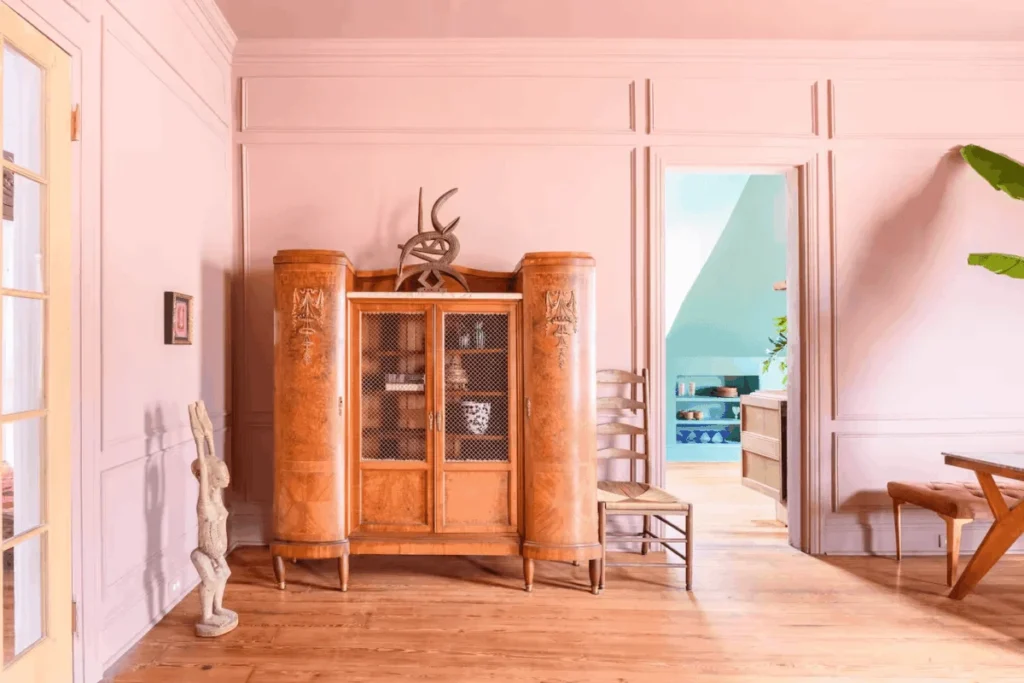
Design trends within these rentals have moved toward "rustic modernism" and "maximalist historical." For example, the "Sunny Designer Studio" in Bywater utilizes painted exposed brick and Turkish rugs to bridge the gap between 1910 industrialism and contemporary minimalism. In contrast, the "Rare Treme Jewel" employs a palette of mauves and blues alongside patterned accent chairs to reflect the vibrant, eclectic spirit of the Faubourg Treme, the oldest African American neighborhood in the United States.
Neighborhood Spotlight: Strategic Locations for Travelers
The choice of neighborhood significantly dictates the visitor experience in New Orleans. The city’s layout is a patchwork of distinct cultural zones, each offering different amenities and atmospheres.
The French Quarter and Marigny
The French Quarter remains the epicenter of tourism, but the adjacent Marigny district has emerged as the preferred choice for those seeking a more curated experience. Rentals such as the "Retro, Funky Guest House" provide direct access to the streetcar line while offering the "madness" of the Quarter’s aesthetic—wrought iron beds and vintage oil paintings—without the constant noise of Bourbon Street. The Marigny is particularly noted for Frenchmen Street, the city’s premier destination for live jazz.
The Garden District and Uptown
For those seeking tranquility and grandeur, the Garden District and Uptown neighborhoods offer oak-lined streets and Victorian architecture. The "Luxe Garden District Suite" and the "Victorian Home in Uptown" provide proximity to Magazine Street, a six-mile stretch of local boutiques and world-class dining. These areas are characterized by "porch life," where residents engage in the Southern tradition of socializing on front galleries—a feature highlighted in the "Porch Life Near Parade Routes" listing, which caters to visitors during the Mardi Gras season.
Bywater and Treme
Bywater has become a hub for the city’s creative class, reflected in properties like the "Modern Victorian with a Private Garden." This neighborhood offers a quieter alternative to the city center, with easy access to Crescent Park and the Mississippi River. Treme, meanwhile, offers a deep dive into the city’s musical roots, with rentals often situated in former citrus compounds or historic cottages that have been meticulously refurbished.

High-End Group Accommodations and the Luxury Shift
A notable trend in the New Orleans Airbnb market is the rise of large-scale, high-luxury properties designed for groups. As "celebration travel" (weddings, anniversaries, and reunions) increases, properties like the "Luxury on Magazine St" have set a new benchmark. Commanding rates starting at over $2,300 per night, these homes offer amenities previously reserved for five-star resorts, such as heated plunge pools, pool tables, and designer-curated interiors featuring deep jewel tones and whimsical wallpapers.
Similarly, "Montegut Manor" provides a four-bedroom configuration where each room features an en suite bathroom, addressing a common pain point in historic renovations where plumbing was often centralized. These properties cater to a demographic that seeks the privacy of a home with the logistical convenience of a hotel, often including free parking—a rare commodity in the dense New Orleans grid.
Data: The Economic Impact of Short-Term Rentals
The economic contribution of the short-term rental sector to New Orleans is substantial. According to data from the New Orleans Tourism and Cultural Fund, the city welcomes approximately 18 to 19 million visitors annually. While traditional hotels still house the majority of these guests, STRs account for a significant portion of the $10 billion in annual visitor spending.
Key data points regarding the NOLA STR market include:
- Occupancy Surges: During peak events such as Mardi Gras and the New Orleans Jazz & Heritage Festival, STR occupancy rates frequently exceed 90%, with average daily rates (ADR) increasing by as much as 150%.
- Tax Revenue: STRs are subject to the same occupancy taxes as hotels, contributing millions to the city’s General Fund and the Ernest N. Morial Convention Center.
- Job Creation: The maintenance of these historic properties supports a localized economy of cleaning services, interior designers, and specialized contractors skilled in historic preservation.
Official Responses and Regulatory Landscape
The expansion of Airbnbs has not been without controversy. Local advocacy groups, such as "Jane Place Neighborhood Sustainability Initiative," have historically argued that the proliferation of STRs contributes to rising rents and the displacement of long-term residents. In response, the New Orleans City Council has been engaged in a multi-year legal and legislative battle to refine STR ordinances.
In 2023, the city moved toward a "lottery" system for residential STR permits to limit the density of rentals on any given block. City officials have stated that the goal is to ensure that neighborhoods remains "living communities" rather than "de facto hotel districts." This regulatory environment has favored "Superhosts"—those with high ratings and a proven track record of neighborhood stewardship—who manage properties like the "Modern Victorian in Bywater."
Broader Implications for Urban Preservation
The popularity of design-forward Airbnbs has had a secondary effect: the preservation of the city’s "blighted" properties. Many of the homes now listed as "Historical Gems" were once in states of disrepair. The high revenue potential of short-term rentals has provided the capital necessary for developers and homeowners to undertake expensive, historically accurate renovations that meet the standards of the Vieux Carré Commission or the Historic District Landmarks Commission.
Furthermore, these rentals act as a bridge for the "New Orleans Brand." By providing amenities like Brooklinen robes, local coffee, and curated guides to neighborhood haunts, hosts are acting as informal ambassadors. This personalized touch reinforces New Orleans’ reputation as a city of hospitality, encouraging repeat visitation and a deeper, more respectful engagement with the city’s unique cultural landscape.
As the market matures, the focus is expected to remain on "quality over quantity." The current selection of premier Airbnbs—from $149 studios on St. Charles Avenue to $900 suites in the Garden District—represents a diverse and resilient sector of the economy that celebrates the city’s past while funding its future. For the modern traveler, these homes offer more than just a place to sleep; they provide a doorway into the soul of one of America’s most storied cities.