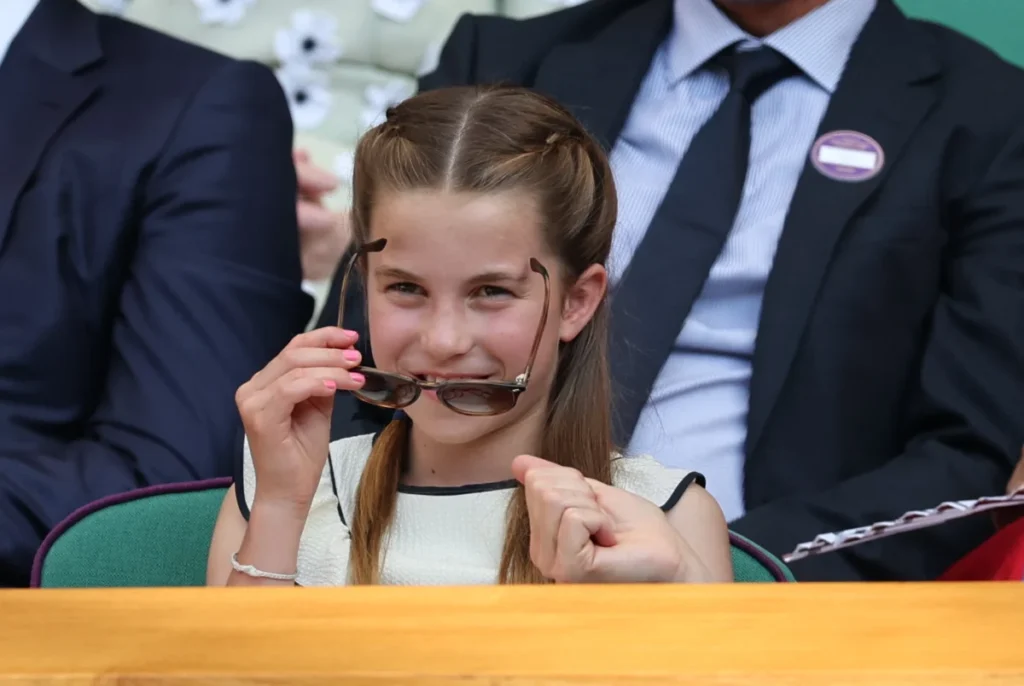

Prince William, the Prince of Wales, offered a personal glimpse into his daughter Princess Charlotte’s burgeoning passion for football during a recent investiture ceremony held at the historic Windsor Castle. The revelation came as Prince William presented former England footballer Kerry Davis with an MBE (Member of the Most Excellent Order of the British Empire) for her significant contributions to association football and her pioneering work in promoting diversity within the sport. This interaction, steeped in royal tradition and sporting achievement, underscored the evolving landscape of opportunities for women and girls in football, a stark contrast to the era in which Ms. Davis began her illustrious career.
The setting for this candid exchange was the elegant surroundings of Windsor Castle, a venue synonymous with British heritage and royal engagements. Investiture ceremonies are formal occasions where the monarch, or a designated senior royal, bestows honours upon individuals who have demonstrated outstanding achievement and service in their respective fields. Prince William, as a prominent member of the Royal Family and a vocal advocate for various charitable causes, including youth sports, was the ideal representative to acknowledge Ms. Davis’s remarkable legacy.
A Conversation Bridging Generations of Football
During the presentation of the MBE, Prince William engaged in a conversation with Ms. Davis that naturally turned towards the state of women’s football and the experiences of young people involved in the sport today. Ms. Davis, a trailblazer who broke barriers as the first black woman to represent England’s women’s national football team, shared her perspective on the dramatic transformation of opportunities available to girls in football over the past few decades.
"When I was at school it was netball, rounders, there was no football," Ms. Davis remarked to the PA news agency following the ceremony, highlighting the stark difference in sporting provision for girls in her youth compared to the present day. This statement resonates with a broader societal shift where traditionally male-dominated sports are increasingly accessible and encouraged for female participants.
Ms. Davis revealed that Prince William spoke with genuine warmth about Princess Charlotte’s involvement and enthusiasm for football. This personal anecdote from the Prince of Wales not only illuminates Princess Charlotte’s individual interests but also serves as a powerful testament to the growing acceptance and popularity of women’s football at all levels of society, including within the Royal Family.
Princess Charlotte’s Growing Sporting Profile
Princess Charlotte, at a young age, has already become a familiar face at significant sporting events, often accompanying her parents, Prince William and Catherine, Princess of Wales. Her presence at these occasions has frequently been noted, and her attendance at football matches alongside her father has been a recurring theme. These appearances have offered glimpses into her developing personality and her engagement with various activities, including sports.
The Prince of Wales’s willingness to share Princess Charlotte’s interest in football during such a formal occasion suggests a desire to champion the sport and encourage greater participation among young people, particularly girls. It normalizes female involvement in football and signals that the sport is an acceptable and celebrated pursuit for all, regardless of gender.
Kerry Davis: A Pioneer in Women’s Football
Kerry Davis’s MBE recognition is a long-overdue acknowledgement of her pioneering career and her unwavering commitment to advancing women’s football and diversity in sport. Her international career spanned an impressive 16 years, commencing with her England debut in 1982. During this period, she amassed a remarkable record, scoring 43 goals in 90 appearances for the Lionesses, securing her place as the team’s third-highest goalscorer of all time.
Her achievements are particularly significant given the historical context of women’s football, which faced considerable challenges, including a ban by the Football Association in England from 1921 to 1971. This ban severely hampered the development of the women’s game for decades. Davis’s generation of players, therefore, had to contend with a much less established infrastructure and a lower profile for their sport compared to their male counterparts.

The Evolving Landscape of Women’s Football: Challenges and Progress
While Ms. Davis expressed optimism about the progress made, she also offered a frank assessment of the current state of women’s football, acknowledging that significant disparities remain. "The women’s, the girls’ game is probably 100 years behind the men’s game," she stated, referring to the disparities in opportunities, investment, and infrastructure. This sentiment is echoed by many within the sport who advocate for continued efforts to level the playing field.
The growth in popularity and professionalism of women’s football in recent years has been undeniable. The success of the Lionesses in major tournaments, such as their triumph at the UEFA Women’s Euro 2022, has significantly boosted the profile of the sport and inspired a new generation of players. However, challenges persist in areas such as equal pay, media coverage, and access to top-tier facilities, which are crucial for sustained development.
The Importance of Diversity and Inclusion
Ms. Davis also emphasized the critical need for greater diversity and an increase in the number of female coaches within football. This focus on diversity is not merely about representation but also about enriching the sport and ensuring it is accessible and welcoming to individuals from all backgrounds. A more diverse coaching staff can provide relatable role models and tailor coaching methods to a wider range of needs and experiences.
The Prince of Wales has consistently shown a commitment to inclusivity and has often spoken about the power of sport to unite communities and break down barriers. His engagement with Ms. Davis, a black woman who achieved great success in a sport that historically struggled with inclusivity, aligns with these broader philanthropic objectives.
Broader Implications of the Royal Family’s Engagement
The Royal Family’s involvement in sporting events and their public acknowledgement of athletes like Kerry Davis carry significant weight. Their endorsement can amplify the visibility of sports and inspire greater participation. Prince William’s discussion about Princess Charlotte’s interest in football sends a powerful message that girls are not only welcome but actively encouraged to pursue their athletic ambitions.
This aligns with the ongoing efforts by sporting bodies and government initiatives to promote physical activity and healthy lifestyles among young people. By highlighting Princess Charlotte’s passion, the Royal Family is contributing to a cultural shift where female athletic prowess is celebrated and normalized.
A Look Ahead: Sustaining Momentum
The conversation between Prince William and Kerry Davis at Windsor Castle serves as a powerful moment, symbolizing the progress made in women’s football while also acknowledging the work that still needs to be done. Ms. Davis’s MBE is a recognition of her past achievements, but her continued advocacy highlights the ongoing need for investment, support, and equitable opportunities within the sport.
The increasing visibility of young royals engaging with sports, such as Princess Charlotte’s apparent enthusiasm for football, can be a catalyst for further growth. It underscores the potential for sports to foster discipline, teamwork, and a sense of community, benefits that extend far beyond the playing field. As women’s football continues its upward trajectory, the support and recognition from influential figures, including members of the Royal Family, will be instrumental in shaping its future and ensuring that the game continues to evolve towards greater equality and accessibility for all. The narrative of women’s football is one of resilience, ambition, and a relentless pursuit of progress, a narrative that Princess Charlotte and her generation are now actively helping to write.