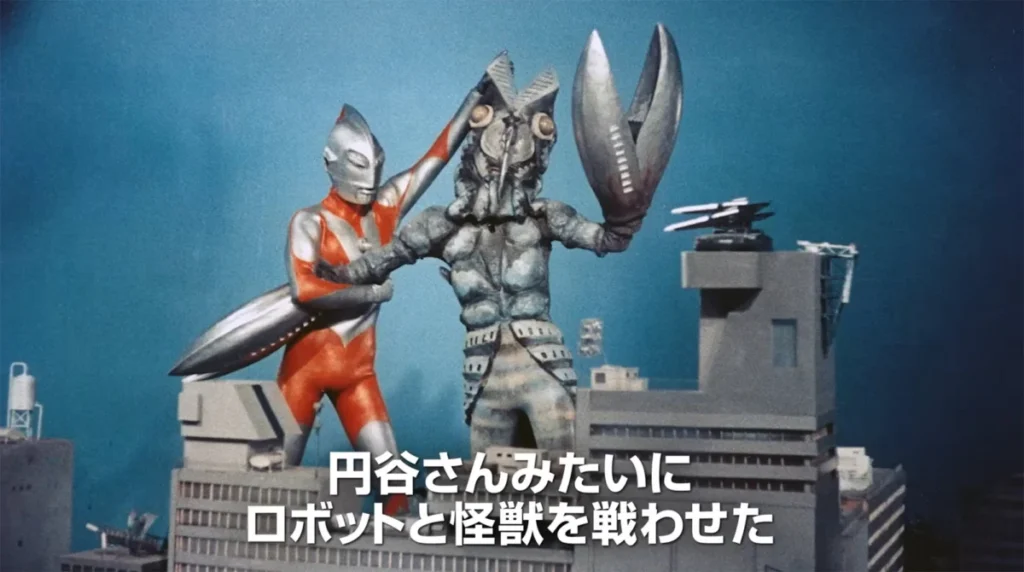

Toho Next and Tsuburaya Productions have unveiled the official trailer for the highly anticipated documentary film, The Origin of Ultraman, a comprehensive exploration into the genesis and enduring legacy of the iconic Japanese Tokusatsu franchise. Set to premiere in Japanese cinemas on July 3rd, 2026, this cinematic endeavor promises to delve deep into the creative forces and cultural impact that propelled Ultraman from a groundbreaking television series to a global phenomenon. While a release date for North America and other international markets has yet to be announced, the initial trailer offers a tantalizing glimpse into the film’s ambitious scope and star-studded roster of interviewees.
A Deep Dive into Tokusatsu’s Crown Jewel
The Origin of Ultraman is more than just a historical retrospective; it is positioned as a masterclass in understanding the multifaceted appeal of this beloved hero and his universe. The documentary aims to unravel the "truth behind Ultraman" by bringing together a distinguished assembly of visionaries from the realms of cinema, Tokusatsu, and design. This convergence of creative minds is perhaps the most compelling aspect of the project, featuring insights from globally acclaimed directors and creators such as Guillermo del Toro, Hirokazu Kore-eda, Hideo Kojima, Hideaki Anno, Shinji Higuchi, and Nicolas Winding Refn. Their collective perspectives are expected to illuminate the series’ unique worldview, where the formidable Kaiju are portrayed with complex backstories that rival those of the heroes themselves, and where the enduring visual aesthetic of both giants and creatures continues to captivate audiences.
The film’s narrative arc will meticulously trace the journey of Ultraman, from its inception in 1966 to its present-day global reach. It will highlight the visionary concepts and meticulous craftsmanship of Eiji Tsuburaya, the pioneer of Japanese special effects who is widely credited as the father of Tokusatsu and the creative force behind Ultraman’s distinctive visual language. The documentary intends to showcase how Tsuburaya and his original production team laid the foundation for a franchise that would not only dominate television screens but also inspire generations of filmmakers and fans worldwide.

Celebrating Six Decades of an Icon
The release of The Origin of Ultraman coincides with a significant milestone: the 60th anniversary of the Ultraman series. Launched in 1966, the original Ultra Q and subsequently Ultraman series quickly became a cultural touchstone in Japan. The original Ultraman series achieved remarkable success, reportedly capturing a staggering peak viewership of 42.8% in Japan. This level of audience engagement underscored the series’ immediate and profound impact on Japanese society, establishing a new benchmark for television entertainment and special effects.
Six decades later, Tsuburaya Productions continues to expand the Ultraman universe with new entries, demonstrating the franchise’s remarkable longevity and adaptability. The documentary will likely explore how the series has evolved over the years while retaining its core essence, consistently introducing new heroes, villains, and thematic explorations that resonate with both long-time enthusiasts and new audiences. The film’s exploration of Ultraman’s journey to the global stage will also be a key focus, examining how its distinctive blend of science fiction, monster action, and heroic narratives transcended cultural boundaries to become a recognized international brand.
Production and Creative Direction
The Origin of Ultraman is co-directed by Yu Nakamura and Kazuki Yoshida, filmmakers who are tasked with weaving together historical footage, archival materials, and contemporary interviews into a cohesive and compelling narrative. The documentary is supervised by Takayuki Tsukagoshi and planned by the acclaimed director Hirokazu Kore-eda, lending significant artistic and directorial weight to the project. The production is helmed by Masahiro Onda and Tomoko Izuta of Slow Hand, ensuring a high standard of cinematic quality. The involvement of Toho Next and Tsuburaya Productions as producers signifies a concerted effort to present an authoritative and definitive account of the Ultraman saga.
Historical Context and Impact of Tokusatsu
The genre of Tokusatsu, which literally translates to "special filming," has been a cornerstone of Japanese popular culture for decades. Emerging in the mid-20th century, Tokusatsu films and television shows are characterized by their extensive use of practical special effects, including miniature sets, pyrotechnics, and suitmation (where actors in elaborate monster or hero suits perform stunts). Eiji Tsuburaya, often referred to as the "father of Tokusatsu," revolutionized filmmaking with his innovative techniques, most notably his work on the original Godzilla (1954) before embarking on the Ultraman series.

The Ultraman franchise, in particular, distinguished itself by introducing a human-sized hero who fights giant monsters, a departure from the kaiju-centric narratives that preceded it. This allowed for more dynamic action sequences and a greater focus on the human element, including the Science Patrol, the organization tasked with defending Earth from extraterrestrial threats. The series also pioneered the concept of the hero needing to return to his home planet within a limited time frame, adding a layer of urgency and sacrifice to his battles.
The cultural impact of Ultraman in Japan cannot be overstated. It became a staple of children’s television, fostering a sense of wonder, courage, and responsibility. The moral lessons embedded within the stories, often revolving around the importance of protecting humanity and understanding the consequences of unchecked power, resonated deeply with audiences. The franchise’s consistent output of new series and films, from Ultraseven to Ultraman Z and the recent animated film Ultraman: Rising, attests to its enduring appeal and ability to reinvent itself for new generations.
A Glimpse into the Future of Ultraman Documentation
The release of the trailer provides the first substantial look at the documentary’s visual style and thematic focus. It suggests a blend of archival footage, re-enactments, and contemporary interviews, all designed to immerse viewers in the world of Ultraman. The selection of high-profile international directors as interviewees is a strategic move to highlight the franchise’s global influence and appeal, demonstrating that Ultraman’s impact extends far beyond its Japanese origins. Their insights are expected to offer a unique perspective on what makes the series so universally captivating, from its mythological underpinnings to its groundbreaking visual effects.
The inclusion of figures like Guillermo del Toro, a renowned admirer of monster cinema and special effects, and Hideo Kojima, known for his innovative storytelling in video games, suggests that the documentary will explore Ultraman’s influence on a broader spectrum of creative industries. Hideaki Anno and Shinji Higuchi, who have their own significant contributions to Japanese sci-fi and Tokusatsu through the Evangelion and Shin Godzilla films respectively, will likely offer an insider’s perspective on the genre and Ultraman’s place within it.

Release and Anticipation
The announcement of a July 3rd, 2026, release date in Japan places The Origin of Ultraman as a significant summer release for domestic audiences. The absence of an announced international release date will undoubtedly lead to anticipation among global fans. However, given the franchise’s worldwide popularity, it is highly probable that distribution deals will be secured to bring the documentary to international audiences in the near future. Fans will be eagerly awaiting further details regarding theatrical releases, streaming availability, and potential subtitled or dubbed versions.
The film arrives at a time when interest in Tokusatsu and Japanese cinema is experiencing a resurgence globally, fueled by critical acclaim for films like Shin Godzilla and the success of international productions like Netflix’s Ultraman: Rising. The Origin of Ultraman is poised to capitalize on this renewed enthusiasm, offering a definitive and insightful look at one of Japan’s most enduring and beloved cultural exports. The documentary is expected to serve as both an educational resource for newcomers and a celebratory tribute for long-time devotees, solidifying Ultraman’s place in the annals of cinematic history. The question on many fans’ minds will be: "Who wants to watch?" The resounding answer from the global Ultraman community is likely to be an emphatic "We do."