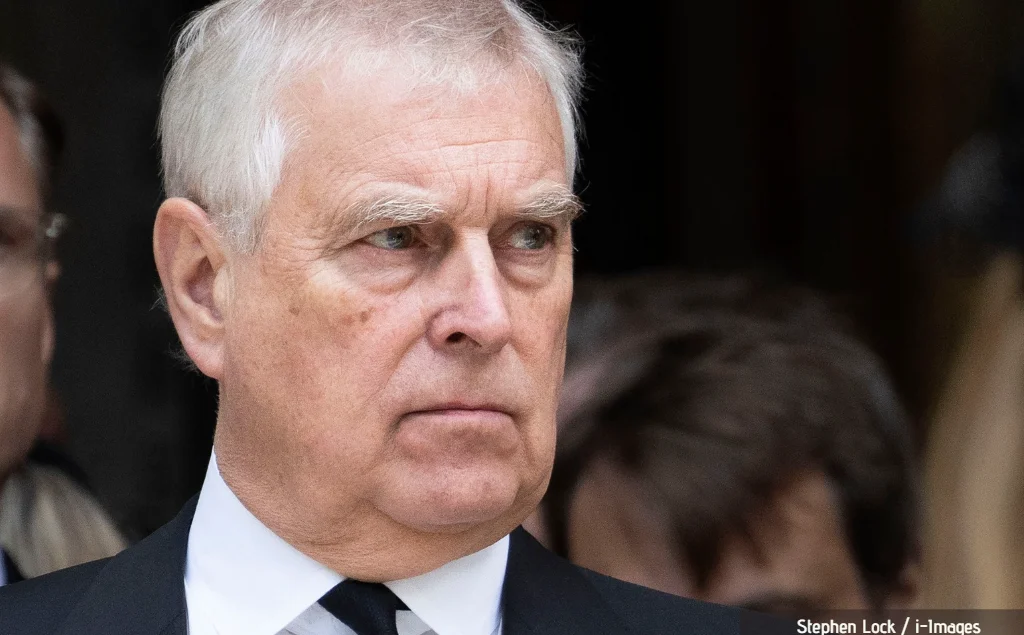

Police are reportedly investigating Prince Andrew, the Duke of York, over an alleged incident of inappropriate conduct towards a woman at the prestigious Royal Ascot racecourse in 2002. This new line of inquiry emerges amidst a broader, ongoing investigation into the former prince’s conduct in public office, casting a further shadow over his already diminished public and royal standing. The Sunday Times first reported on the allegations concerning the 2002 event, which took place during the Golden Jubilee celebrations of Queen Elizabeth II, when Andrew attended the races with his mother and other members of the Royal Family.
The exact nature and timing of the report of this alleged incident remain unclear, with speculation as to whether it was raised at the time of its occurrence or surfaced more recently as part of broader inquiries. Thames Valley Police, whose jurisdiction includes the Royal Ascot racecourse, are said to be leading the investigation into this specific allegation. This development adds another layer of complexity to the multifaceted legal and public scrutiny that Prince Andrew has faced in recent years.
Broadening Scope of Misconduct in Public Office Investigation
The allegations from Royal Ascot come at a time when law enforcement has been actively examining Prince Andrew’s conduct during his tenure as the UK’s special envoy for trade and investment. Officers involved in that investigation have issued a public reminder that the offense of "misconduct in public office" is broad in its definition and can encompass a wide range of behaviours, including inappropriate conduct towards others. This statement suggests that the scope of their inquiry is not confined to financial dealings or official duties alone but can extend to personal interactions that may have occurred during his public service.
The force has characterized the investigation as "complex," acknowledging that misconduct in public office can manifest in various forms. This underscores the potential for multiple lines of inquiry and the intricate nature of piecing together evidence over a significant period. Prince Andrew has not yet issued a public comment on these latest reports, a stance he has largely maintained throughout the various investigations and public controversies that have enveloped him.
Chronology of Prince Andrew’s Public Scrutiny
The current investigations into Prince Andrew’s past actions have a discernible timeline, marked by significant events that have led to his current position:
- 2001-2011: Prince Andrew serves as the UK’s special envoy for trade and investment. This decade-long role is a central focus of the ongoing misconduct in public office investigation. During this period, it has been revealed through released papers that Queen Elizabeth II expressed her desire for her son to be appointed to such a position, indicating royal endorsement for his diplomatic efforts.
- 2002: The alleged incident of inappropriate conduct at Royal Ascot is reported to have occurred. The precise details and any initial reports of this event are a key element of the current police inquiry.
- Recent Years: The scrutiny surrounding Prince Andrew intensified significantly following the public release of the Epstein files earlier this year. These documents, linked to convicted sex offender Jeffrey Epstein, brought renewed attention to Andrew’s controversial friendship with the financier.
- 2019: Jeffrey Epstein dies by suicide while awaiting trial on sex trafficking charges.
- 2025: Following a disastrous BBC Panorama interview that addressed his relationship with Epstein, Prince Andrew announced he was stepping back from all public engagements. This decision was effectively solidified when King Charles III, through Letters Patent, stripped his brother of his royal titles, including his HRH status and the title of Prince. The King also initiated proceedings to have the title of Duke of York removed from the Roll of Peerage.
- February 2026: Prince Andrew is arrested and detained for 11 hours by officers investigating allegations of misconduct in public office. He was subsequently released under investigation and without charge. Concurrently, police searched his properties, including his home on the Sandringham estate in Norfolk and his former residence at Royal Lodge on the Windsor estate.
Supporting Data and Background Context
The investigation into misconduct in public office is intrinsically linked to Prince Andrew’s role as a special envoy. This position, which he held for a decade, involved promoting British interests abroad and engaging with international business leaders. The nature of such diplomatic and trade roles often involves significant personal interactions and extensive travel, creating numerous opportunities for potential impropriety. The fact that Queen Elizabeth II was "keen" for him to be given this role highlights the high level of familial and royal support he initially received, making the subsequent scrutiny and allegations all the more striking.
The release of the Epstein files has been a pivotal moment, irrevocably damaging Prince Andrew’s reputation. The files, containing thousands of pages of court documents, witness statements, and affidavits, shed light on Epstein’s vast network and the individuals he interacted with. While not directly accusing Prince Andrew of criminal wrongdoing in these released documents, the sheer volume of mentions and the nature of his association with Epstein have fueled intense public interest and further intensified the existing investigations.
The disastrous Panorama interview in 2019, where Prince Andrew attempted to address his relationship with Epstein, is widely considered a turning point. His answers were perceived as lacking empathy, particularly regarding Epstein’s victims, and failed to reassure the public or effectively counter the growing negative narrative surrounding him. This interview is often cited as the catalyst for his eventual withdrawal from public life and the subsequent stripping of his titles.
Official Responses and Inferences
While Prince Andrew has remained largely silent on the specific allegations, the broader investigative efforts by law enforcement indicate a serious and sustained inquiry. The issuing of a reminder about the definition of "misconduct in public office" by the investigating force suggests a proactive approach to informing the public and potentially encouraging further cooperation or disclosure from individuals with relevant information.
The absence of comment from Buckingham Palace on these latest reports is also noteworthy. Following the stripping of his titles and HRH status, Prince Andrew no longer represents the Crown in an official capacity. Therefore, the Palace’s public engagement on matters directly concerning his personal legal investigations is typically minimal, focusing instead on the official duties of working members of the Royal Family.
However, the fact that the Royal Family, particularly King Charles III, took the decisive step of removing Andrew’s titles and royal status demonstrates a clear recognition of the severity of the issues he faces and a desire to distance the institution from the controversy. This action, taken by the King, signals a significant shift in the family’s approach to managing the fallout from the ongoing scandals.
Broader Impact and Implications
The resurfacing of allegations from 2002, coupled with the ongoing misconduct in public office investigation, has profound implications for Prince Andrew’s personal life and his residual connection to the Royal Family.
Legal Ramifications: If the allegations from Royal Ascot are substantiated and lead to charges, Prince Andrew could face further legal proceedings. The misconduct in public office charge is a serious offense that can carry significant penalties, including imprisonment.
Public Perception: Public opinion has been heavily influenced by the Epstein scandal and the subsequent investigations. The repeated emergence of new allegations, regardless of their eventual outcome, continues to erode any remaining public goodwill. This sustained negative perception makes any potential return to public life, however unlikely, virtually impossible.
Royal Family Dynamics: While Prince Andrew has been stripped of his titles, he remains eighth in line to the throne. He can also be called upon to act as a Counsellor of State in specific circumstances, such as the Monarch’s short-term illness or absence from the country. This means he retains a constitutional role, albeit a limited one, which adds another layer of complexity to his relationship with the Crown. The ongoing investigations and allegations will undoubtedly continue to be a source of concern and potential embarrassment for the Royal Family, necessitating careful management of public relations and constitutional protocols.
Impact on Legacy: Prince Andrew’s legacy, once associated with military service and trade ambassadorships, is now predominantly defined by controversy and scandal. The ongoing investigations and the gravity of the allegations threaten to permanently tarnish his historical record and his place within the annals of the British monarchy. The events of the past few years have fundamentally altered his public and royal trajectory, leaving him in a precarious and isolated position.