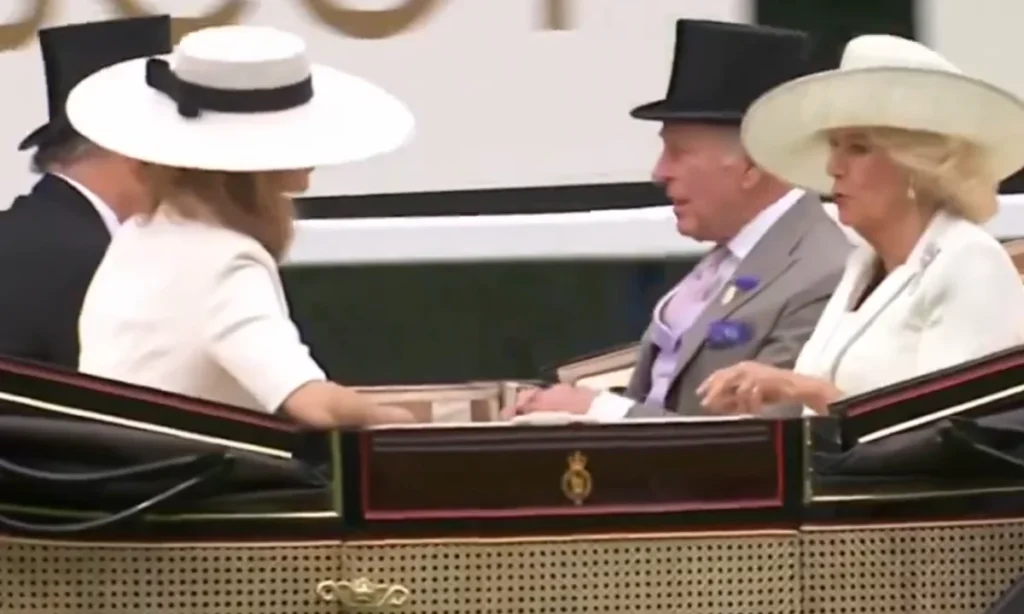

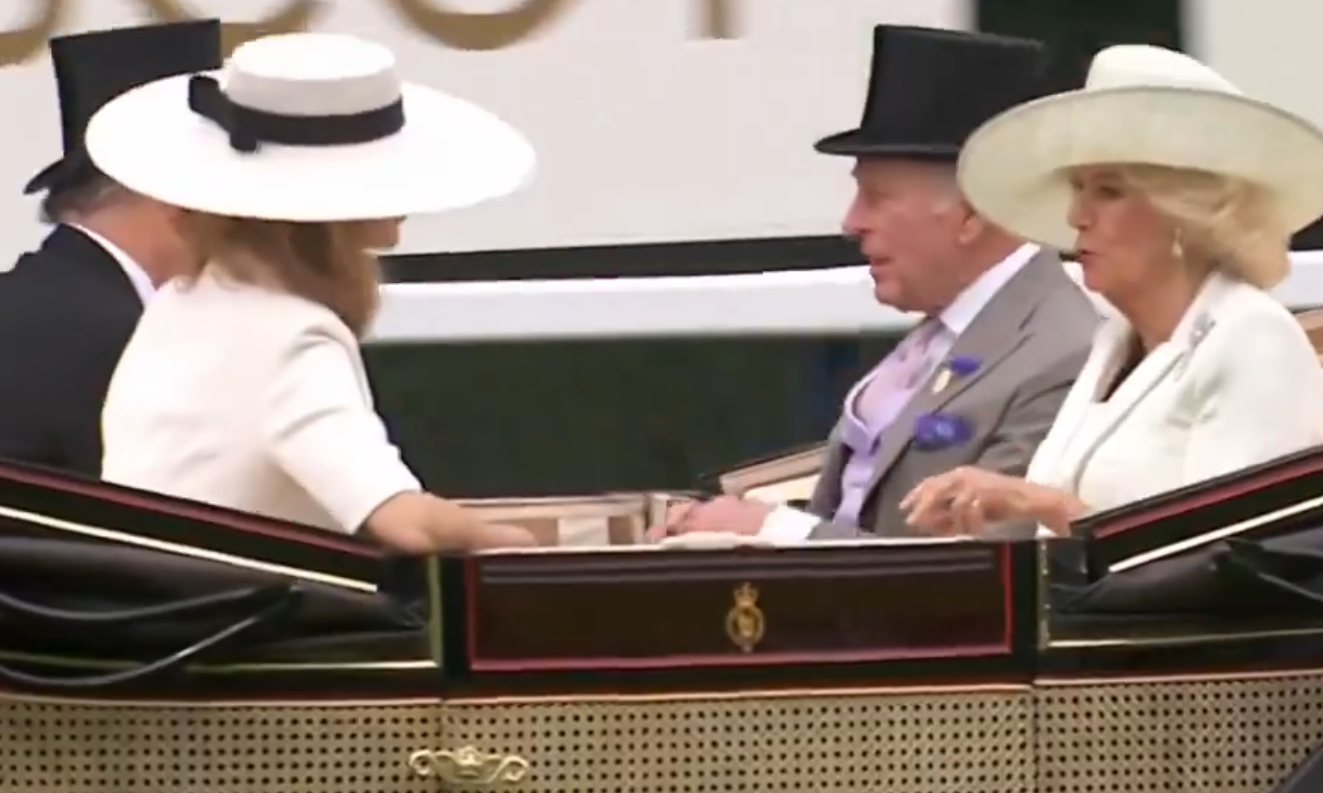
The prestigious Royal Ascot race meeting, a highlight of the British summer social calendar, saw King Charles III and Queen Camilla at the forefront of the traditional carriage procession on its third day, an occasion marked by significant royal attendance and subtle signals of burgeoning relationships within the extended Royal Family. King Charles shared the lead carriage with his cousin, David, the Earl of Snowdon, and his new partner, Isabelle de la Bruyere, a joint appearance that has ignited speculation about a potential royal wedding. This inclusion of Ms. de la Bruyere in such a prominent royal setting is being interpreted as a significant step towards formalising her relationship with the Earl, echoing a precedent set by the King in previous years.
A Season of Royal Reunions at Ascot
King Charles’s participation in Royal Ascot this year has been notable for his consistent engagement with his cousins and their families, underscoring a desire to share the cherished event with those closest to him. On the second day of the meeting, the King was accompanied in the lead carriage by the Earl of Snowdon’s sister, Lady Sarah Chatto, and her husband, Daniel Chatto. This pairing highlights the enduring familial bonds, as David and Sarah are the children of the late Princess Margaret, King Charles’s beloved aunt. Their shared upbringing alongside the King has fostered a close relationship, and their presence signifies a continuation of these familial traditions.
The third day of Royal Ascot also welcomed the Duke and Duchess of Edinburgh, Prince Edward and Sophie, into the carriage procession for the first time this year. They arrived alongside the Princess Royal, Princess Anne, and her husband, Vice Admiral Sir Tim Laurence. This collective presence of senior royals further cemented the event’s status as a key royal gathering.
Duchess of Edinburgh’s Sentimental Jewellery Choice
Adding a layer of personal significance to the day, the Duchess of Edinburgh chose to wear the necklace she donned on her wedding day to Prince Edward. The couple celebrated their 27th wedding anniversary on June 18th, 1999, having married at St. George’s Chapel, Windsor. The Duchess’s choice to wear the treasured jewels, which were reportedly co-designed by Prince Edward himself, served as a romantic and sentimental tribute to their enduring marriage, occurring just a day before their significant milestone. This thoughtful gesture resonated with the overall atmosphere of celebration and familial connection that permeated the event.
Broader Royal Attendance and Emerging Relationships
Beyond the lead carriages, other members of the Royal Family also graced the event with their presence. Zara Tindall, daughter of Princess Anne, was present in the third carriage, accompanied by Willie Mullins. While her husband, Mike Tindall, was not part of the formal procession, Zara’s attendance highlighted her continued engagement with the racing world. Also present in this carriage were Princess Zahra Aga Khan and Sheikh Hamad bin Abdullah Al Thani, reflecting the international and diverse nature of the Royal Ascot guest list.
The fourth carriage was occupied by Lord and Lady Cavendish, alongside the acclaimed actor Stanley Tucci and his partner, Felicity Blunt. This mix of aristocratic and cultural figures underscores Royal Ascot’s broad appeal.
King Charles and Queen Camilla have demonstrated a strong commitment to the event, attending all three days of the races thus far. Their presence sets the tone for the week and reinforces the importance of Royal Ascot as a platform for royal visibility and engagement. Notably, the Princess of Wales, Catherine, made her return to Royal Ascot on the second day after a three-year absence, accompanying her husband, Prince William. This marked her first appearance at the prestigious event since 2019, generating considerable public interest.
Historical Context of Royal Ascot and its Significance
Royal Ascot, established by Queen Anne in 1711, is not merely a sporting event but a quintessentially British tradition deeply intertwined with the monarchy. Its origins lie in the Queen’s vision of a racecourse near Windsor Castle, a location that would allow her to pursue her passion for horse racing. Over centuries, Ascot has evolved into a spectacle of fashion, social networking, and, of course, elite horse racing. The Royal Procession, a daily ritual where members of the Royal Family travel down the course in horse-drawn carriages, is a central element of the event, offering spectators a glimpse of the royals and underscoring the historical connection between the monarchy and the races.
The tradition of the Royal Procession dates back to the Victorian era, evolving into the formal parade observed today. It signifies the sovereign’s patronage of the sport and provides a platform for the Royal Family to engage with the public and uphold their ceremonial duties. Each carriage typically carries members of the Royal Family, their esteemed guests, and prominent figures from society, creating a vibrant tableau that captures the essence of British pageantry.
Analysis of Royal Family Dynamics and Future Implications
The inclusion of David, the Earl of Snowdon, and his partner, Isabelle de la Bruyere, in the King’s procession on day three of Royal Ascot carries a subtle but significant weight. This public endorsement, placing them in the very first carriage alongside the King and Queen, is a strong indicator of the Royal Family’s acceptance and approval of their relationship. This mirrors the precedent set in 2023 when King Charles included Harriet Sperling in the Royal Ascot procession weeks before her engagement to Peter Phillips was announced. Such public appearances are often carefully orchestrated and serve as a public acknowledgement of a couple’s commitment.
The Earl of Snowdon, born David Albert Charles Armstrong-Jones, is the son of Princess Margaret and photographer Antony Armstrong-Jones, 1st Earl of Snowdon. He inherited the earldom upon his father’s death in 2017. His lineage places him as a prominent figure within the extended Royal Family, and his relationship with Ms. de la Bruyere, a financier, is therefore of considerable interest. The formalisation of their relationship, potentially leading to an engagement and wedding, would be another joyous occasion for the Royal Family, following recent celebrations such as the weddings of Princess Eugenie and Princess Beatrice.
The King’s deliberate choice to share his Ascot experience with his cousins this year, particularly on day two with Lady Sarah Chatto and Daniel Chatto, also speaks to a broader theme of family unity and support. Princess Margaret’s children hold a special place in the King’s affections, and their consistent presence at key royal events reinforces these bonds.
Royal Ascot’s Enduring Appeal
Royal Ascot remains a pivotal event in the British social calendar, attracting a diverse array of attendees from royalty and aristocracy to celebrities and international dignitaries. Beyond the thrill of the races, the event is renowned for its strict dress code, particularly the tradition of ladies wearing hats. The fashion element is as much a draw as the equine competition, with attendees often meticulously planning their outfits, further enhancing the event’s glamour and spectacle.
The economic impact of Royal Ascot is also substantial. The event draws significant crowds, benefiting local businesses and the hospitality sector. Furthermore, the prize money offered in the races attracts top thoroughbreds and jockeys from around the globe, contributing to its international prestige within the racing community. The presence of the Royal Family, especially the King, further amplifies this prestige and draws global media attention.
Conclusion
Day three of Royal Ascot provided a compelling blend of sporting excitement, high fashion, and significant royal moments. King Charles’s decision to prominently feature his cousin, the Earl of Snowdon, and his partner, Isabelle de la Bruyere, in the lead procession has undoubtedly set tongues wagging about a future royal wedding. This, coupled with the Duchess of Edinburgh’s sentimental tribute to her marriage and the continued presence of various royal family members, underscores Royal Ascot’s enduring role as a stage for both cherished traditions and the unfolding narratives of the British monarchy. As the event continues, the royal presence and the subtle societal cues they offer will undoubtedly remain a focal point of public and media attention.