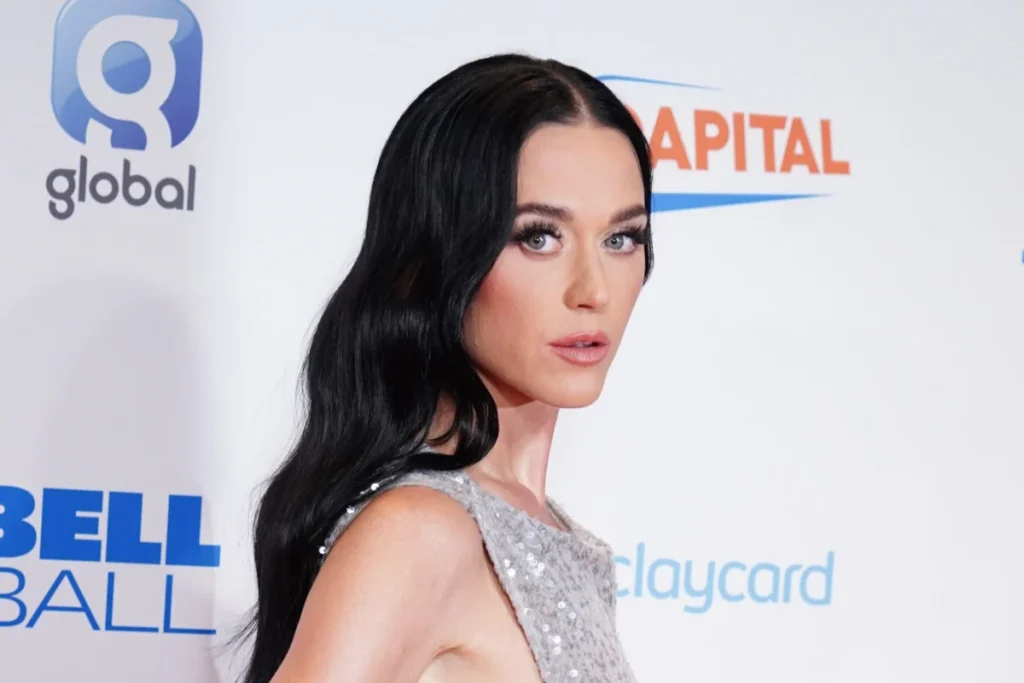

The upcoming FIFA World Cup is poised to inaugurate a new era for global football with an unprecedented trifecta of opening ceremonies, featuring a galaxy of international music superstars. Katy Perry, Michael Bublé, and Alanis Morissette are among the acclaimed artists confirmed to perform across three distinct celebrations hosted by Canada, Mexico, and the United States. These grand spectacles are scheduled for June 11 and 12, marking the official commencement of the expanded 48-team tournament, a landmark event in the history of the sport. Organisers, FIFA, have articulated a vision for these ceremonies that intertwines the universal appeal of football with the unique cultural tapestry of each host nation, promising a truly global celebration.
A Multi-National Kick-Off: The Inaugural Festivities Unveiled
The 2026 FIFA World Cup distinguishes itself not only by its expanded participant roster but also by its groundbreaking multi-national hosting arrangement, a first of its kind. This necessitates a decentralized yet harmonized approach to the opening ceremonies, each designed to capture the essence of its host while contributing to a unified celebratory theme. FIFA’s official statement underscores this philosophy: "Each ceremony is connected by a shared creative thread that reimagines the FIFA World Cup Trophy through the lens of each host country’s culture." This approach promises a dynamic and diverse welcome to millions of fans worldwide.
The inaugural events will unfold across two consecutive days, setting the stage for the month-long football extravaganza. The festivities are meticulously planned to precede the opening matches of the host nations, ensuring maximum engagement and excitement from local and international audiences alike.
June 11: Mexico City Ignites the Tournament
The first ceremonial curtain will rise in Mexico City on June 11, where the tournament is set to commence with Mexico’s opening fixture against South Africa. This historic occasion will be prefaced by an extensive 90-minute pre-match show at the iconic Estadio Azteca, a venue steeped in World Cup lore, having previously hosted two finals in 1970 and 1986. The star-studded lineup for this vibrant Mexican inauguration includes acclaimed artists Alejandro Fernández, Belinda, and Danny Ocean. Their performances are expected to showcase the rich musical heritage and passionate culture of Mexico, providing a spectacular fusion of traditional and contemporary sounds. The extended duration of the pre-match show signals FIFA’s intent to elevate the opening spectacle, allowing for a deeper immersion into the host nation’s identity before the sporting action begins. Estadio Azteca, with its monumental capacity and historical significance, offers an ideal backdrop for this grand opening, symbolizing Mexico’s enduring legacy in global football.
June 12: Dual Celebrations in Los Angeles and Toronto
The momentum will continue on June 12 with two simultaneous, equally dazzling ceremonies across the North American continent.
In Los Angeles, the modern architectural marvel of SoFi Stadium will host a high-octane opening featuring global pop sensation Katy Perry, hip-hop heavyweight Future, and rising star Tyla. This lineup reflects Los Angeles’ status as a global entertainment capital, promising a show that blends chart-topping hits with cutting-edge production. The choice of SoFi Stadium, a state-of-the-art facility known for hosting major sporting and entertainment events, underscores the commitment to delivering a world-class experience. The diverse musical genres represented by Perry, Future, and Tyla are anticipated to appeal to a broad international audience, embodying the cosmopolitan spirit of Southern California. The ceremony in Los Angeles is expected to be a spectacle of light, sound, and dance, characteristic of Hollywood’s flair for grand productions.

Concurrently, Canada will host its inaugural World Cup ceremony in Toronto, featuring two of the nation’s most beloved musical exports: Alanis Morissette and Michael Bublé. Their performances will undoubtedly infuse the event with a distinct Canadian flavour, celebrating the country’s rich artistic landscape. Morissette, known for her powerful rock anthems, and Bublé, celebrated for his smooth jazz and pop ballads, represent different facets of Canadian music, promising a diverse and emotionally resonant presentation. This ceremony holds particular significance for Canada, as it marks their debut as a primary host nation for the men’s FIFA World Cup, a moment of immense national pride and a testament to the growth of football within the country. The Toronto event will serve as a vibrant welcome for fans to Canada’s portion of the tournament, highlighting its cultural contributions and hospitality.
FIFA’s Vision: Unity, Culture, and Global Celebration
FIFA President Gianni Infantino articulated the overarching philosophy behind these elaborate opening ceremonies, stating, "The FIFA World Cup is a moment the world shares, and that begins with how we open it." He further elaborated on the strategic intent: "Starting with Mexico City and continuing the next day with Toronto and Los Angeles, these ceremonies will bring together music, culture and football in a way that reflects both the individuality of each nation and the unity that defines this tournament. It is a powerful way to begin a truly global celebration."
This statement underscores FIFA’s ambition to utilize the tournament as a platform for cultural exchange and global solidarity. The "shared creative thread" that connects the ceremonies, reimagining the FIFA World Cup Trophy through the lens of each host country’s culture, is a novel concept designed to weave a cohesive narrative across disparate geographical locations. This artistic approach allows each host to present its unique identity while contributing to a larger, unified celebration of football’s global reach. The ceremonies are not merely pre-match entertainment but are conceived as integral components of the World Cup experience, designed to emotionally connect with billions of viewers across continents.
Background Context: The 2026 FIFA World Cup’s Historical Significance
The 2026 FIFA World Cup represents a monumental shift in the tournament’s history, marking several significant firsts. It will be the first World Cup hosted by three nations – Canada, Mexico, and the United States – a logistical and diplomatic undertaking of unprecedented scale. Furthermore, it will be the first edition to feature an expanded format of 48 teams, a significant increase from the 32 teams that have competed since 1998. This expansion translates into a greater number of matches (104, up from 64), more participating nations, and a wider geographical spread across 16 host cities.
The decision to expand the tournament and award it to a multi-national bid reflects FIFA’s strategic objective to globalize football further, making it more inclusive and accessible to a broader range of national teams. This expansion also promises increased revenue streams for FIFA and significant economic boosts for the host nations. The bid, spearheaded by the United Bid Committee, successfully showcased the robust infrastructure, passionate fan bases, and collective experience in hosting major international events across North America. The continent’s ability to host such a large-scale event simultaneously in diverse locations underscores its organizational capacity and readiness to stage a truly global spectacle.
A Legacy of Grand Openings: Evolution of World Cup Ceremonies
World Cup opening ceremonies have evolved dramatically over the decades, transitioning from relatively modest kick-off events to elaborate, multi-million dollar productions. Early tournaments often featured simple parades or cultural demonstrations. However, as the World Cup grew into the world’s most-watched sporting event, the opening ceremony became an integral part of its global appeal. Iconic ceremonies like those in South Africa (2010), Brazil (2014), Russia (2018), and Qatar (2022) have set high benchmarks for creativity, technological innovation, and cultural representation.
The 2026 ceremonies are poised to build upon this rich history, but with the unique challenge and opportunity presented by the multi-host format. Instead of a single, centralized narrative, the three ceremonies will offer distinct yet interconnected cultural showcases. This approach allows for a deeper exploration of North American diversity, from Mexico’s vibrant heritage to Canada’s multicultural identity and the United States’ blend of global influences. The ambition for 2026 is not merely to entertain but to set a new standard for how a global sporting event can meaningfully engage with its host cultures on multiple fronts.

Economic and Cultural Implications for the Host Nations
The economic implications of hosting the FIFA World Cup are immense. While precise figures for the 2026 edition are still being projected, previous tournaments offer a glimpse into the potential benefits. Brazil’s 2014 World Cup, for instance, generated billions in economic activity, including tourism revenue, job creation, and infrastructure development. The 2026 tournament, with its expanded format and multiple host cities, is anticipated to generate an even greater economic windfall across Canada, Mexico, and the United States. Estimates suggest billions in economic impact for each host nation, driven by inbound tourism, increased consumer spending, media rights, and investment in local infrastructure. Beyond the immediate economic boom, the World Cup leaves a lasting legacy of improved transportation networks, modernized stadiums, and enhanced global visibility for the host cities, potentially attracting future investments and tourism.
Culturally, the World Cup serves as an unparalleled platform for soft power and international diplomacy. The opening ceremonies, in particular, offer a global stage to showcase the unique cultural attributes of each nation. For Mexico, it reinforces its rich indigenous heritage and deep-seated passion for football. For Canada, it highlights its multicultural fabric and growing prominence on the global sporting stage. For the United States, it underscores its diverse cultural landscape and its capacity to host mega-events that resonate internationally. The fusion of music and football at these ceremonies fosters cross-cultural understanding and cements a shared global experience, transcending national boundaries. Artists like Katy Perry, Michael Bublé, and Alejandro Fernández become cultural ambassadors, sharing their nation’s artistic expressions with an audience of billions.
Logistical Complexity and Preparations: A Monumental Undertaking
Organizing a FIFA World Cup across three countries, spanning vast geographical distances and multiple time zones, presents an unprecedented logistical challenge. This undertaking requires meticulous coordination between FIFA, the national football federations of Canada, Mexico, and the United States, and the 16 host cities. Planning encompasses everything from security protocols, transportation networks, accommodation for teams and fans, and broadcast infrastructure to ensure seamless operations.
Local organizing committees in each city are working tirelessly to ensure all facets of the tournament run smoothly. This includes upgrading stadium facilities, enhancing public transportation, and preparing hospitality services. The scale of this collaborative effort is monumental, necessitating continuous communication and strategic planning among diverse governmental and private entities. The success of the opening ceremonies will be a critical early indicator of the overall organizational prowess of the tri-national hosts, setting the tone for the entire tournament.
The Road Ahead: Countdown to Kick-off and Global Anticipation
As the countdown to June 11 and 12 intensifies, anticipation for the 2026 FIFA World Cup reaches a fever pitch. The announcement of such a high-calibre lineup for the opening ceremonies only adds to the excitement, promising not just a sporting event but a cultural phenomenon. The tournament, with its expanded format and unique hosting arrangement, is expected to shatter viewership records, drawing billions of eyes to North America.
FIFA President Infantino’s vision of a "truly global celebration" is encapsulated in these meticulously planned opening events. They represent more than just the start of football matches; they are a powerful declaration of unity, diversity, and the universal language of sport and music. The coming weeks will see the final preparations fall into place, leading up to a momentous kick-off that promises to be etched into the annals of World Cup history. The world watches, eager to witness the fusion of athletic prowess, artistic brilliance, and cultural exchange that will define the 2026 FIFA World Cup.