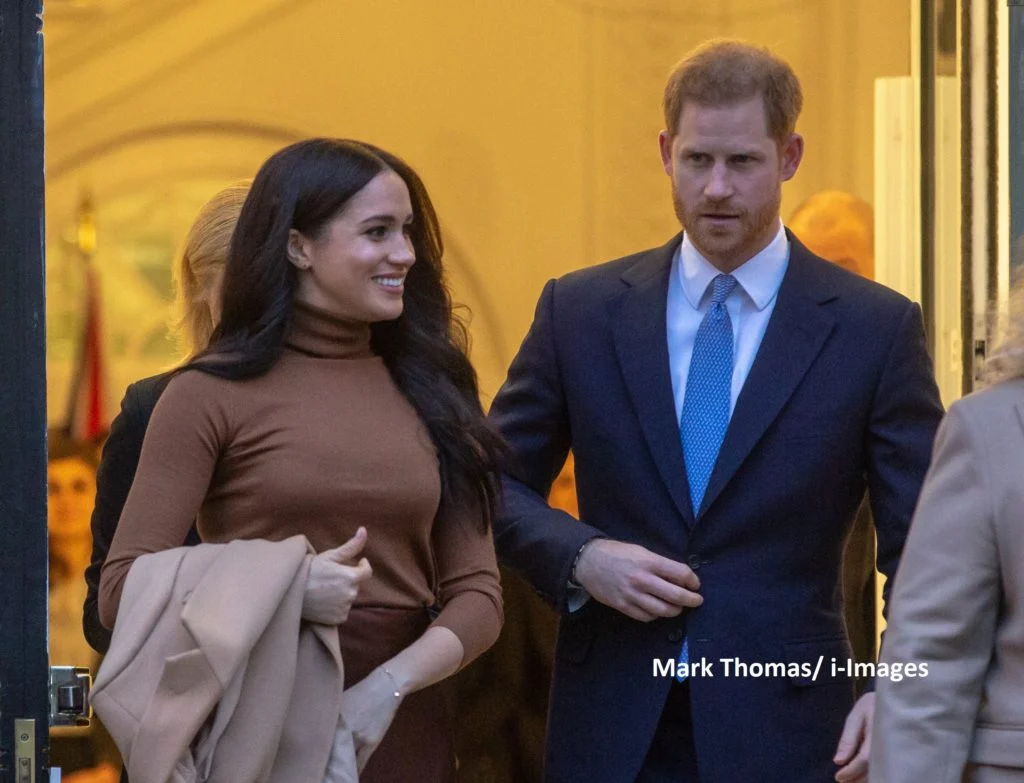

The Executive Committee for the Protection of Royalty and Public Figures has formally notified the Duke and Duchess of Sussex that their security arrangements will undergo a comprehensive evaluation following their permanent relocation back to the United Kingdom. The decision comes in the wake of the couple’s sudden transition from their residence in the United States, concluding a six-year chapter across the Atlantic that began with their departure from frontline royal duties in early 2020.
According to reports from ITV News, the primary catalyst for this reassessment centers on the practical realities of daily family life in Britain, specifically the logistical challenges associated with routine school runs for their children, who commenced a new academic term in September. The review marks a significant procedural milestone, representing the first dedicated security assessment for the Duchess of Sussex since she stepped down as a working member of the royal family over half a decade ago.
The Mechanics of Ravec and the British State Protection Framework
In the United Kingdom, the responsibility for assessing threat levels and determining protective security details for senior public figures, politicians, and members of the royal family rests with the Executive Committee for the Protection of Royalty and Public Figures, commonly known as RAVEC. Operating under the auspices of the Home Office, RAVEC comprises senior representatives from the Metropolitan Police Service, the Home Office itself, and the royal household.
The committee is tasked with balancing the imperative of public safety against the efficient allocation of taxpayer-funded resources. When individuals cease to be working royals, their automatic entitlement to publicly funded round-the-clock protection typically ceases. This policy formed the crux of Prince Harry’s protracted legal battles against the Home Office, during which he challenged the decision to strip him of his automatic police protection detail upon his departure from the UK in 2020.
Throughout their time residing in California, the Duke and Duchess have primarily relied upon privately funded security teams to safeguard themselves and their children. Earlier this summer, prior to their relocation announcement, RAVEC had confirmed that any protective security considerations for Prince Harry during his visits to the UK would be evaluated on a strictly case-by-case basis, factoring in the specific itinerary, intelligence assessments, and threat levels at the time.
The new review ordered by RAVEC acknowledges the altered circumstances of the family’s permanent residency on British soil, though it remains to be seen whether any state-provided security will be reinstated, modified, or if the financial and operational responsibilities will remain privatized.
Chronology of the Relocation and Official Directives
The path leading to the current security review has developed rapidly over the summer months, characterized by swift transitions and administrative clarifications across government and royal offices.
Late August marked the physical return of the Duke and Duchess of Sussex to England, alongside their children, timed precisely to allow the younger members of the family to enroll in a new school for the September term. Sources close to the situation indicated that the royal household received relatively little advance notice of the permanent move, with King Charles III reportedly informed of the decision just three days before the public announcement was made.
As the family settled into their new domestic routine, government and royal officials moved quickly to establish clear boundaries regarding the couple’s official status. In early September, the Lord Chamberlain dispatched a formal circular to military chiefs, lord lieutenants, and various government departments involved in the coordination of official royal visits.
The directive was designed to remove any ambiguity regarding the couple’s current constitutional position. It explicitly reiterated that Prince Harry and Meghan Markle are no longer working members of the royal family and now hold the status of private citizens. Consequently, the memorandum instructed that any public events, engagements, or local appearances attended by the Duke and Duchess must be treated strictly as visits by private individuals, explicitly distinct from official royal engagements. Government officials noted that the clarification was necessitated by a flurry of inquiries from local organizations and regional authorities following the family’s sudden return to the country.
Historical Context and the Legal Battles Over Protection
The question of security has been one of the most contentious and publicly scrutinized aspects of the Duke and Duchess of Sussex’s departure from the institutional fold, an event colloquially known as "Megxit."
In January 2020, the couple announced their intention to step back as senior working royals, seeking a financially independent path that would allow them to split their time between North America and the United Kingdom. Shortly thereafter, the Executive Committee for the Protection of Royalty and Public Figures determined that, upon relinquishing their official duties and losing their status as working royals, they no longer met the criteria for government-funded protective security as a matter of course.
Prince Harry subsequently initiated a judicial review against the Home Office, arguing that the removal of his automatic police protection rendered visits to his homeland unsafe for his family and placed an unfair burden on his private resources. Over several years, the legal proceedings wound their way through the High Court and the Court of Appeal. The courts repeatedly upheld the legality and independence of RAVEC’s decision-making process, emphasizing that the committee was best positioned to evaluate threat levels and resource allocation without undue judicial interference.
Despite the conclusion of those legal challenges, the practical reality of maintaining private security in the UK has presented ongoing logistical hurdles. Private security personnel do not possess the same legal privileges, intelligence access, or jurisdictional authorities as British police officers, particularly regarding the carrying of firearms and traffic management during transit. These limitations have consistently fueled debate among security experts regarding how high-profile individuals can be adequately protected without state intervention.
Broader Implications and Future Outlook
The initiation of a formal security review by RAVEC carries significant implications for the Duke and Duchess of Sussex, the British government, and the wider royal institution.
For the Sussexes, a favorable outcome from the review could alleviate some of the logistical and financial strains associated with maintaining a high-level private security detail in a country where armed protection is strictly regulated. The explicit mention of school runs in the reporting surrounding the review underscores the day-to-day vulnerability and the specific threat profile associated with raising young children in the public eye.
From an administrative perspective, the review highlights the complex machinery of the British state when dealing with high-profile individuals who occupy a unique space between private citizens and members of the sovereign’s immediate family. While the Lord Chamberlain’s September directive firmly established that the couple acts in a private capacity, the state nevertheless retains a residual responsibility for public safety and order management whenever high-profile figures reside within its borders.
Furthermore, the relocation and subsequent security assessment unfold against a backdrop of ongoing, albeit distant, familial dynamics within the House of Windsor. While the administrative machinery of the state processes the security requirements through established protocols, public interest remains intense regarding how this permanent return will influence broader family relations and public perceptions of the monarchy.
As the Executive Committee for the Protection of Royalty and Public Figures conducts its detailed evaluation, the findings will establish the framework for how the Duke and Duchess navigate their daily lives in the UK. Whether the review results in adjusted protocols, enhanced threat monitoring, or a continuation of the status quo remains a matter for RAVEC’s ongoing deliberations, with outcomes anticipated in the coming months as the family integrates fully into their renewed British routine.