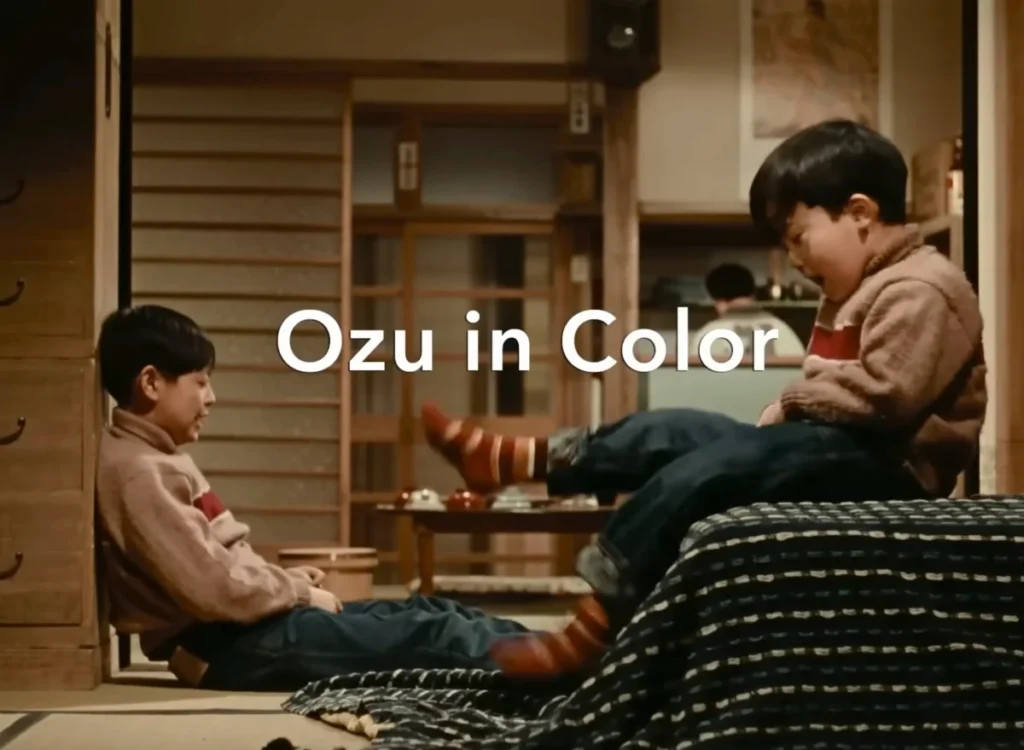

The cinematic landscape of Japanese filmmaking, particularly the oeuvre of the legendary Yasujiro Ozu, is being illuminated anew with the release of a comprehensive video essay titled "Ozu in Color." This insightful analysis, a collaborative effort between filmmakers Tony Zhou and Taylor Ramos under the banner of the acclaimed "Every Frame a Painting" series, meticulously examines Ozu’s pivotal transition from his renowned black-and-white cinematography to his ventures into color filmmaking. The essay delves into the artistic decisions, theoretical underpinnings, and visual language Ozu employed as he navigated this significant shift, offering a richer appreciation of his later works.
Originally published on May 10, 2026, by Alex Billington for FirstShowing.net, the video essay draws heavily from Ozu’s filmography produced after 1958, a period that marked his definitive embrace of color. The analysis begins by tracing Ozu’s initial exploration and development of his color aesthetic between his first two color features: "Equinox Flower" (1958) and "Good Morning" (1959). It then proceeds to a deeper dissection of his cinematography choices, culminating in the compelling assertion that Ozu "found a way to make color feel objective." This video essay is not merely an academic exercise; it serves as a powerful testament to the profound impact of directorial choices in cinematography and ignites a desire to re-engage with Ozu’s entire body of work.

The Genesis of "Ozu in Color"
The video essay, a TCM Original in partnership with Turner Classic Movies, is narrated by Tony Zhou, with Taylor Ramos contributing to its creation and editing. This collaboration underscores the enduring legacy of Yasujiro Ozu, a filmmaker whose work, including the internationally celebrated masterpiece "Tokyo Story," has cemented his status as a titan of cinema. The project, accessible via YouTube, aims to provide viewers with novel insights and a more profound understanding of Ozu’s distinctive approach to color.
Tony Zhou, a prominent figure in contemporary film analysis through "Every Frame a Painting," has previously explored various facets of cinematic artistry. His YouTube channel, active from April 2014 to September 2016, garnered a substantial following for its incisive explorations of film form. Following the channel’s hiatus, Zhou and Ramos have continued their creative output, notably with the short film "The Second" in 2025 and several other video essays, including an analysis of the visual comedy in Wes Anderson’s "Isle of Dogs." The "Ozu in Color" essay represents a significant contribution to this ongoing legacy of deconstructing cinematic masterpieces.
Yasujiro Ozu: A Master’s Evolution
Yasujiro Ozu (1903-1963) is widely regarded as one of the most important and influential filmmakers in the history of cinema. His career spanned over three decades, during which he directed 54 films, though only 36 survive. Ozu developed a distinctive style characterized by low-angle "tatami" shots, static camera positions, and a focus on themes of family, generational change, and the poignant ephemerality of life. While his early films were often comedies and dramas, his mature works, particularly those from the 1950s and early 1960s, achieved a profound emotional resonance and artistic purity.

His most celebrated film, "Tokyo Story" (1953), is a poignant portrayal of an aging couple visiting their grown children in Tokyo. Despite its critical acclaim and enduring influence, it was made in black and white, a medium that had dominated cinema for decades. The advent of color film technology presented filmmakers with new expressive possibilities, and Ozu, ever the meticulous artist, approached this transition with deliberate consideration.
The Transition to Color: Artistic and Technical Considerations
The decision to move from black and white to color was not a trivial one for any filmmaker of Ozu’s era. It involved not only technical adjustments but also a fundamental re-evaluation of visual storytelling.
- The Palette of Emotion: Black and white cinema relies on contrasts of light and shadow, texture, and composition to convey mood and emotion. Color introduces an entirely new dimension, capable of evoking specific feelings, symbolizing ideas, and enhancing the realism or artificiality of a scene. For a filmmaker like Ozu, known for his subtle emotional nuance, the introduction of color required careful calibration.
- Technological Advancements: The development of Eastman Color and other color film stocks in the mid-20th century made color filmmaking more accessible and of higher quality. However, early color processes could sometimes result in oversaturated or unnatural hues, posing a challenge for directors seeking a naturalistic aesthetic.
- Ozu’s Specific Approach: The video essay highlights that Ozu’s transition was not immediate or unconsidered. He spent time experimenting and learning how to harness the expressive potential of color. His early color films, "Equinox Flower" and "Good Morning," served as crucial laboratories for developing his new visual vocabulary. This period of learning and adaptation is a testament to his dedication to mastering his craft.
Analyzing Ozu’s Color Cinematography
The core of the "Ozu in Color" video essay lies in its analysis of how Ozu integrated color into his established cinematic language. The essay posits that Ozu achieved a unique form of "objective color," suggesting that his use of color was not purely subjective or impressionistic but rather served to enhance the clarity and essence of his narratives.

- Color as Narrative Device: Ozu likely employed color to underscore character, setting, and thematic elements. Specific hues could have been used to denote emotional states, social class, or the passage of time. For instance, the vibrant colors of a domestic interior might contrast with the more muted tones of the outside world, or vice versa, to emphasize a particular theme.
- Composition and Color Harmony: Ozu’s meticulous attention to framing and composition would have been amplified in color. The arrangement of objects, costumes, and set designs within the frame, all rendered in color, would have contributed to the overall visual harmony and thematic resonance of his films. The essay likely explores how he balanced bold colors with subtle palettes to achieve his signature understated elegance.
- The "Tatami" Shot in Color: The iconic low-angle "tatami" shot, a hallmark of Ozu’s style, would have taken on new dimensions in color. The way color saturated these perspectives, interacting with the foreground and background elements, would have further contributed to the immersive and intimate quality of his filmmaking.
- Objective Color: The concept of "objective color" is particularly intriguing. It suggests a deliberate avoidance of overly expressive or symbolic use of color that might impose a specific emotional interpretation on the viewer. Instead, Ozu might have used color to present the world of his films with a certain clarity and truthfulness, allowing the audience to draw their own conclusions. This aligns with his humanist approach to filmmaking, where the focus is on the human condition and the subtle nuances of everyday life.
Broader Implications and Artistic Legacy
The "Ozu in Color" video essay offers significant implications for film scholars, students, and enthusiasts alike.
- Understanding Artistic Evolution: By examining Ozu’s transition to color, the essay provides a valuable case study in artistic evolution and adaptation. It demonstrates how established masters can embrace new technologies and aesthetic possibilities without compromising their core artistic vision.
- The Enduring Power of Cinematography: The analysis reinforces the idea that cinematography is not merely about capturing images but about constructing meaning. Ozu’s deliberate choices in color, just as in his black-and-white work, underscore the profound impact of visual storytelling on the viewer’s experience.
- Accessibility and Appreciation: The partnership with TCM and the availability of the essay on YouTube contribute to the broader accessibility of Ozu’s work. For those new to his films, the essay serves as an excellent introduction, while for seasoned admirers, it offers a fresh perspective and deeper appreciation.
- The Future of Film Analysis: Video essays like "Ozu in Color" represent a dynamic and engaging form of film criticism. They leverage the visual medium itself to deconstruct and explain cinematic techniques, offering a more intuitive and impactful learning experience than traditional written criticism alone.
Accessing Ozu’s Work
For audiences inspired to explore Ozu’s cinematic world after viewing the essay, the Criterion Channel offers a curated selection of his films, including many of his color masterpieces. This platform provides an invaluable resource for immersing oneself in the complete artistic journey of this cinematic giant. Yasujiro Ozu’s enduring influence on filmmakers worldwide, from his contemporaries to contemporary directors, is a testament to the universal and timeless nature of his storytelling and his profound understanding of the human heart. The exploration of his transition into color filmmaking further solidifies his legacy as an artist who consistently pushed the boundaries of his medium to achieve unparalleled depth and beauty.