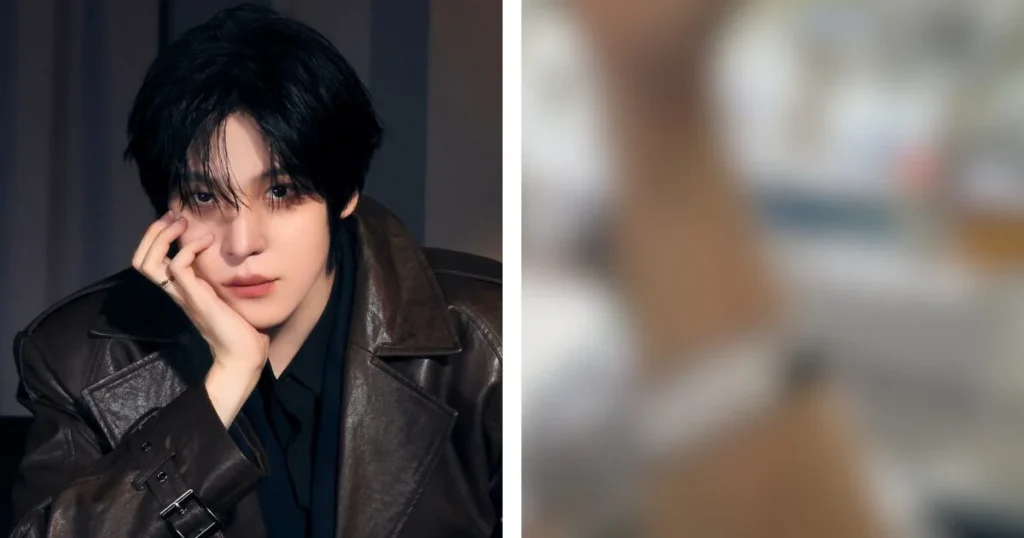

The South Korean entertainment industry has recently been centered on a developing controversy involving Jeong Yunho, a prominent member of the globally recognized K-pop group ATEEZ. Following initial reports suggesting the end of a long-term private relationship, a viral post purportedly authored by an ex-girlfriend surfaced online, sparking a complex and often polarized debate across social media platforms and online communities. The post, which included detailed allegations regarding Yunho’s personal conduct and the pressures of maintaining a secret relationship within the idol industry, has raised significant questions regarding the ethics of fan culture, the mental health of those on the periphery of fame, and the rigid expectations placed upon K-pop stars.
Overview of the Controversy and the Viral Allegations
The situation gained momentum when a blog-style post, described by some as a vlog or a written "exposure" piece, began circulating on major Korean and international forums. The author of the post claimed to have been in a romantic relationship with the ATEEZ member for over a decade, a timeline that would span his pre-debut trainee days to his current status as a global performer. The content of the post was notably emotionally charged, detailing the perceived toll the relationship took on the author’s mental well-being and alleging that the idol’s career requirements necessitated a level of secrecy that became unsustainable.
Critically, the post did not merely focus on the dissolution of the relationship but also directed blame toward the K-pop fan environment, suggesting that the "idol image" and the intensity of the fanbase contributed to the breakdown. The most concerning aspect of the post was its conclusion, where the author made statements that many readers interpreted as a potential threat of self-harm. This prompted an immediate and bifurcated response from the public, ranging from deep concern for the individual’s safety to skepticism regarding the veracity and motives of the claims.
Chronology of Events
The timeline of the current discourse began with speculative reports regarding Yunho’s relationship status. While rumors regarding his private life have occasionally surfaced in the past, they were rarely met with official confirmation or substantial evidence. However, the recent viral post served as a catalyst for a much broader discussion.
- Initial Reports: In early July 2026, various online communities began discussing rumors that a long-term relationship involving a member of ATEEZ had concluded.
- The Viral "Exposure" Post: Shortly after these rumors surfaced, the detailed post from the alleged ex-girlfriend was shared. It included specific anecdotes and emotional reflections on the difficulties of dating a high-profile idol.
- Netizen Polarization: Within hours, the post was translated into multiple languages, leading to a surge in activity on platforms such as X (formerly Twitter) and Weibo. Fans and general observers began dissecting the claims, leading to the current state of divided public opinion.
- Discussion of Industry Standards: The conversation shifted from the specifics of the relationship to a systemic critique of the K-pop industry’s "no-dating" culture and the impact of parasocial relationships on the private lives of artists and their associates.
Analysis of Divided Public Sentiment
The reaction to the allegations has been characterized by a sharp divide in perspective. On one side, a segment of the online population has reacted with hostility toward the alleged ex-girlfriend. These netizens often cite the potential damage such "exposures" can do to an artist’s career, particularly in an industry where "purity" and availability are marketed as core traits of an idol. Some comments have been harshly critical of the author’s mental state, dismissing the post as a bid for attention or an attempt to sabotage Yunho’s reputation. This group often argues that private matters should remain private and that bringing such issues into the public eye is inherently malicious.

Conversely, a significant portion of the audience has expressed sympathy for the author of the post. This group views the situation through the lens of mental health and human rights. They argue that the pressure of hiding a ten-year relationship—essentially living in the shadows to protect a partner’s career—would naturally result in severe psychological distress. Supporters of this view have called for empathy, noting that the author’s apparent emotional breakdown is a cry for help rather than a calculated attack. They also point out the inherent cruelty of a system that forces young adults to choose between professional success and the basic human experience of companionship.
The Role of the K-Pop Industry and "Idol Culture"
A recurring theme in the discourse is the role of the K-pop industry itself. Several commentators have labeled the industry as the "real villain" in this scenario. In South Korea, idols are often managed under strict behavioral guidelines, which frequently include "dating bans" or at least a tacit agreement to keep any romantic involvement entirely hidden from the public. This is rooted in the commercial strategy of fostering parasocial bonds between fans and idols, where the artist is presented as a "boyfriend" or "girlfriend" figure to the collective fanbase.
When these boundaries are breached, the fallout is often severe. For the artist, it can mean a loss of endorsements, a decline in popularity, or even forced withdrawal from their group. For the romantic partner, it often leads to harassment from extreme fans (sasaengs) or the psychological burden of being a "secret." Analysts suggest that as the K-pop industry continues to expand globally, these traditional norms are increasingly clashing with more progressive views on privacy and personal autonomy held by international audiences.
Mental Health and Ethical Considerations in Digital Spaces
The gravity of the alleged ex-girlfriend’s statements regarding her mental health has brought the ethics of netizen commentary to the forefront. The K-pop industry has a tragic history of individuals suffering due to online harassment and the pressures of fame. Consequently, many are calling for a more responsible approach to the controversy.
Professional counselors and mental health advocates often warn that public shaming or the "diagnostic" labeling of individuals online can exacerbate existing crises. The tendency of netizens to use mental health as a weapon—either by mocking it or using it to invalidate someone’s claims—is a significant concern. The current situation involving Yunho serves as a stark reminder of the real-world consequences of digital discourse. Regardless of the veracity of the claims, the presence of self-harm ideation in the viral post necessitates a compassionate rather than a combative response.
Potential Implications for ATEEZ and KQ Entertainment
As of the time of reporting, ATEEZ’s agency, KQ Entertainment, has not issued an official statement specifically addressing the details of the viral post. Historically, agencies tend to handle such matters with caution, often choosing to ignore rumors to avoid giving them further visibility, or issuing legal warnings against the spread of false information and defamation.

For ATEEZ, a group known for its powerful performances and dedicated global following (ATINY), the controversy arrives at a time when they are maintaining a high level of international activity. While scandals of this nature can be polarizing, they also test the loyalty of a fanbase. Many fans have rallied around Yunho, focusing on his professional contributions and calling for respect for his privacy. However, the situation remains a delicate one, as it touches upon sensitive topics that resonate beyond the music industry.
Broader Impact on the K-Pop Landscape
The debate surrounding Yunho and the alleged post is reflective of a broader shift in the K-pop landscape. The "4th Generation" and "5th Generation" of idols are operating in an era where the demand for transparency is higher than ever, yet the structures of the industry remain largely unchanged. This tension is likely to produce more such conflicts until a more sustainable balance between an idol’s public persona and their private reality is established.
The global nature of the ATEEZ fanbase also means that cultural perspectives from the West, which generally view dating as a normal and healthy part of life, are increasingly influencing the narrative. This cross-cultural dialogue is slowly challenging the traditional "taboo" of idol dating, though the transition is far from seamless.
Conclusion and Support Resources
The controversy involving ATEEZ’s Yunho and the viral post by an alleged former partner remains a complex issue with no simple resolution. It highlights the intersection of celebrity culture, mental health, and the evolving ethics of the digital age. As the discussion continues, the primary concern remains the well-being of all individuals involved.
If you or someone you know is struggling with depression or has had self-harming thoughts, do not hesitate to reach out to local confidential support services or a crisis lifeline. These organizations provide free and confidential support for people in distress, offering prevention and crisis resources for you or your loved ones 24/7. In the United States, the National Suicide Prevention Lifeline can be reached by dialing 988 or 1-800-273-8255. The Crisis Text Line is available by texting HOME to 741741 in the US, 686868 in Canada, or 85258 in the UK. International resources are also available in most countries to provide immediate emotional support and guidance during times of crisis.