
The Genesis of the Controversy: Political Mockery and the May 23 Date
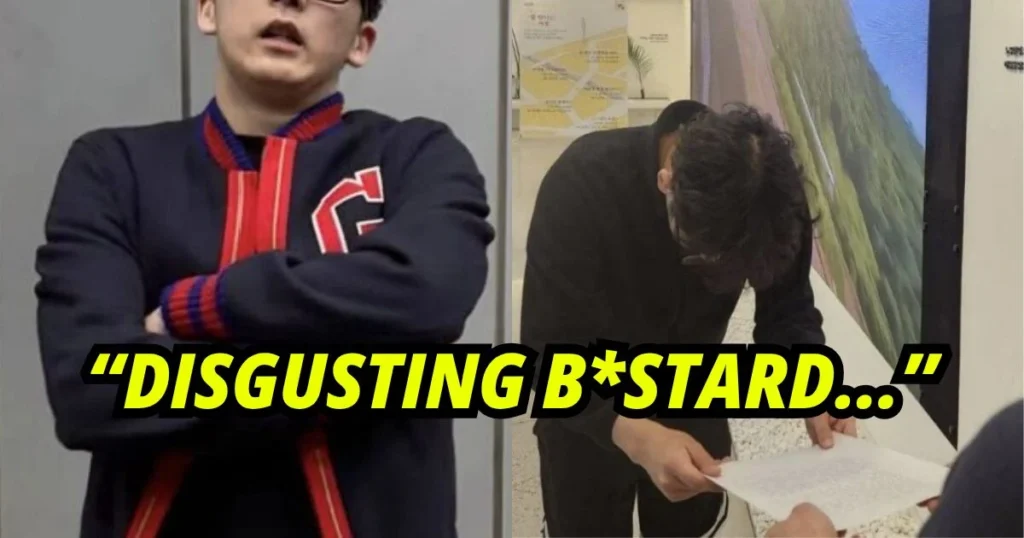
The initial wave of backlash against Rich Iggy was triggered by the specific logistical details surrounding his planned solo concert. The event, which had successfully sold out its ticket allocation, was scheduled to take place on May 23. While a performance date might seem arbitrary in most contexts, in South Korea, May 23 carries profound emotional and political weight. It marks the anniversary of the death of former President Roh Moo-hyun, who served from 2003 to 2008.
President Roh, a former human rights lawyer who rose from a humble background to the nation’s highest office, remains a deeply polarizing yet beloved figure. His death by suicide in 2009, occurring during a high-profile corruption investigation that many of his supporters viewed as politically motivated, transformed him into a martyr-like figure for the liberal wing of South Korean politics. Consequently, the date of his passing is observed with solemnity by a significant portion of the population and the Roh Moo-hyun Foundation.
Public scrutiny intensified when observers noted that the concert’s start time was set for 5:23 p.m. and the ticket price was fixed at 52,300 KRW (approximately $34.70 USD). The repetition of the numbers "5" and "23" was interpreted by many as a deliberate and malicious reference to the date of the former president’s death. This specific form of numerical mockery is frequently associated with "Ilbe Storehouse," a far-right online community known for its extremist views and its history of disparaging President Roh through memes and coded language.
The Roh Moo-hyun Foundation, which protects the legacy of the late president, took immediate notice of the event’s details. Following a formal complaint and a public request for a ban on the artist’s activities that were deemed offensive to the dignity of the deceased, the organizers of the concert announced its cancellation. This was followed shortly by an announcement from the organizers of RapBeat, one of South Korea’s most prominent hip-hop and R&B festivals, stating that Rich Iggy had been removed from their lineup to maintain the integrity of the event and respect public sentiment.
From Political Insult to Criminal Implication: The "Tank" Lyrics
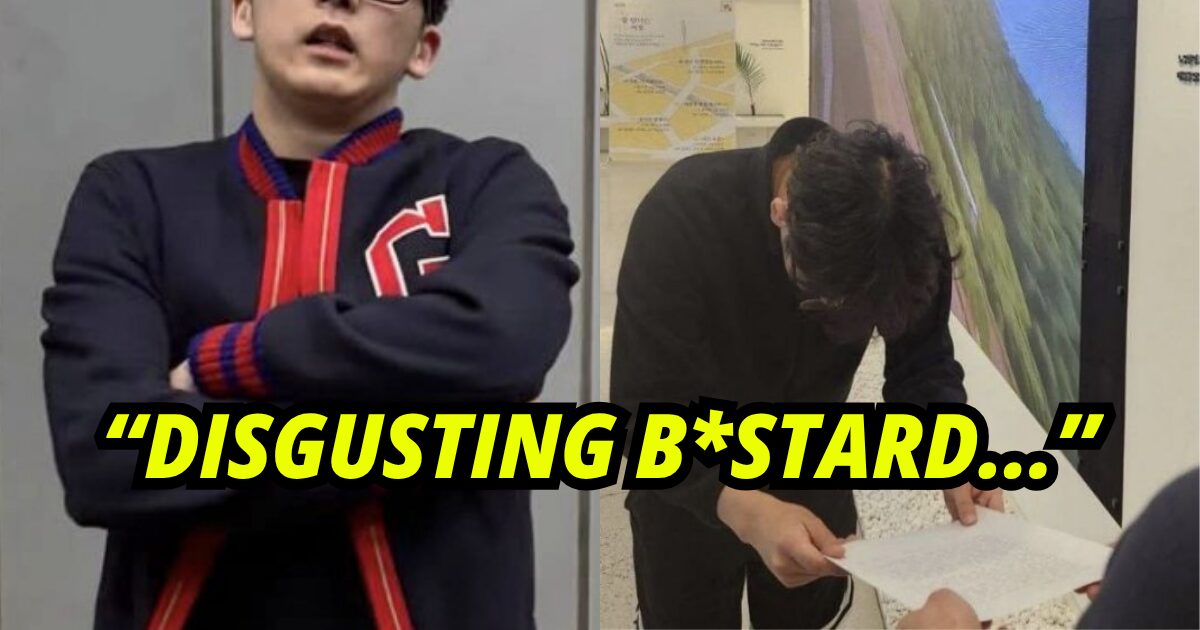
While the initial cancellation was rooted in political insensitivity, the situation took a significantly darker turn as netizens began to delve into Rich Iggy’s existing discography. The rapper, who debuted in early 2024, had released an album titled Quarterback. Within this album, a track titled "Tank" became the focal point of a new, more severe wave of outrage.
The lyrics of "Tank" contain explicit references to targeting young children for sexual purposes. One specific verse, which has been widely circulated and translated across social media platforms, states: "Instead of high school girls, I’ll go for elementary school girls and end up in juvenile detention even faster."
The revelation of these lyrics shifted the narrative from one of political "edgelord" behavior to one of potential moral depravity and the glorification of child sexual abuse. In the context of South Korean society, which has recently grappled with high-profile digital sex crime cases such as the "Nth Room" scandal, the public’s tolerance for such content is non-existent. The lyrics were not viewed as mere "shock value" common in certain subgenres of rap, but as a dangerous normalization of predatory behavior toward minors.
Chronology of the Scandal
The timeline of Rich Iggy’s downfall illustrates how quickly public sentiment can mobilize in the digital era:
- Early 2024: Rich Iggy makes his debut in the South Korean hip-hop scene, gaining a following among younger listeners for his aggressive style.
- May 14, 2026: Social media users begin flagging the suspicious pricing and timing of his upcoming May 23 concert, drawing links to the death of Roh Moo-hyun.
- May 15-16, 2026: The Roh Moo-hyun Foundation issues a statement regarding the perceived mockery. Under immense pressure, the solo concert is canceled, and ticket holders are promised full refunds.
- May 17, 2026: Rich Iggy issues a formal apology to the Roh Moo-hyun Foundation, claiming that the numerical coincidences were not intended to cause harm.
- May 18, 2026: Netizens unearth the lyrics to "Tank." The backlash intensifies, with calls for the rapper to be permanently de-platformed.
- May 19, 2026: RapBeat festival officially removes Rich Iggy from its multi-day lineup, citing a commitment to "healthy festival culture."
- May 21, 2026: Additional performance cancellations are reported as venues and promoters distance themselves from the artist.
Public and Institutional Reactions
The reaction from the South Korean public has been characterized by a mixture of shock and calls for stricter regulation of music content. On platforms like X (formerly Twitter) and Naver, comments have ranged from disgust to demands for a legal investigation into whether the lyrics constitute a violation of the Act on the Protection of Children and Youth against Sexual Abuse.

One viral post remarked, "Is he not a potential criminal? It makes me sick to my stomach." Another user pointed out the irony of the rapper’s age, as reports indicate Rich Iggy was born in 2006, making him a young adult who should theoretically understand the gravity of his words. "Being a rapper doesn’t give you a pass to talk about raping children," the post read.
The Roh Moo-hyun Foundation’s involvement was a critical turning point. By taking a formal stance, they signaled that the mockery of national figures would not be tolerated as "artistic freedom." However, the subsequent surfacing of the "Tank" lyrics provided a unifying cause for both the liberal supporters of the late president and the general public, who are concerned with child safety and ethical standards in entertainment.
Analysis of Implications for the K-Hip Hop Industry
The Rich Iggy scandal highlights several critical issues within the South Korean music industry, particularly the "underground" or "rookie" hip-hop scenes.
1. The Vetting Gap
Unlike the highly controlled "Idol" system managed by major agencies like HYBE, SM, or JYP, independent or small-label rappers often operate with little to no oversight. This allows for the release of content that may bypass traditional broadcasting standards but remains accessible on global streaming platforms like Spotify and YouTube. The failure of the RapBeat festival and concert organizers to catch these lyrics earlier suggests a significant gap in the vetting process for performers.
2. The Influence of Extremist Online Cultures
The use of coded language (523, 5:23) suggests that segments of the younger generation may be influenced by extremist online communities. For a rookie artist to bake these references into his professional branding indicates a belief that such "edgy" content would either go unnoticed or be celebrated by a specific niche, a gamble that has clearly failed in this instance.
3. Legal and Ethical Boundaries of Lyrics
While South Korea protects freedom of speech, it also has strict laws regarding obscenity and the protection of minors. Legal experts suggest that while it is rare for an artist to be prosecuted solely for lyrics, the explicit nature of "Tank" could potentially lead to a ban on the song’s distribution or its classification as "harmful to youth," which restricts its sale and performance.
4. Career Longevity in the Age of "Cancel Culture"
For a new artist, such a comprehensive scandal so early in their career is often insurmountable. The combination of political offense and moral transgression creates a "double-bind" where neither the left nor the right of the political spectrum, nor the general public, can offer support.
Conclusion
The case of Rich Iggy serves as a cautionary tale for the modern music industry. It demonstrates that in a hyper-connected society, an artist’s entire body of work is subject to retroactive scrutiny. The transition from a political controversy to a moral one has effectively ended the rapper’s immediate prospects for mainstream success. As the South Korean music scene continues to grow globally, the demand for a balance between creative liberty and social responsibility has never been higher. For now, the focus remains on the organizers of music events to implement more rigorous screening processes to ensure that platforms are not given to those who promote harm against the most vulnerable members of society.