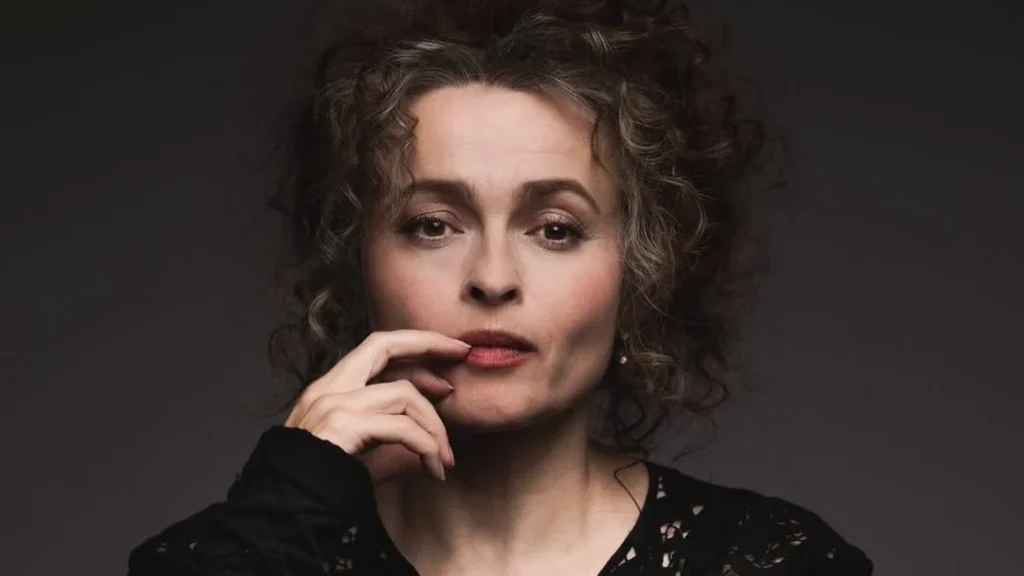

Helena Bonham Carter, the acclaimed Oscar-nominated actress, has exited a starring role in the highly anticipated fourth season of HBO’s critically lauded anthology series, The White Lotus. The departure comes barely a week into production, necessitating a swift recasting of a character described as central to the upcoming narrative. The news, initially reported by Deadline, signals a significant creative recalibration for the series, known for its intricate character studies and exotic locales.
The decision to part ways with Bonham Carter was made by series creator and showrunner Mike White, underscoring his meticulous approach to character development and narrative integrity. An HBO spokesperson confirmed the development to Deadline, stating, "With filming just underway on Season 4 of The White Lotus, it had become apparent that the character which Mike White created for Helena Bonham Carter did not align once on set. The role has subsequently been rethought, is being rewritten and will be recast in the coming weeks. HBO, the producers and Mike White are saddened that they won’t get to work with her, but remain ardent fans and very much hope to work with the legendary actress on another project soon." This statement highlights the collaborative yet ultimately decisive nature of high-level television production, particularly when a creator like White maintains a singular vision for his work.
Chronology of a Creative Shift
The genesis of this unexpected development can be traced back to the pre-production phase. Helena Bonham Carter was reportedly at the top of the wishlist for producers and Mike White, a testament to her formidable acting prowess and unique on-screen presence. Her casting would have marked a high-profile addition to an already stellar ensemble, characteristic of The White Lotus’s reputation for attracting top-tier talent.
Filming for the fourth season commenced recently, with initial scenes involving Bonham Carter being shot on location. It was during this nascent stage of production, specifically as she began portraying the character, that Mike White identified a disconnect. Sources close to the production indicated that White "felt that her character as originally conceived was not what it should be." This suggests that the character, as envisioned on paper, did not translate effectively to the screen or integrate seamlessly into the emerging dynamics of the season’s storyline and ensemble. Rather than proceed with a character that felt misaligned, White, known for his hands-on showrunning, opted for a fundamental creative adjustment. The decision to recast, while logistically challenging, reflects a commitment to the artistic vision that has garnered the series widespread critical acclaim and numerous accolades. The role is rumored to be central to the new season, making this creative pivot even more impactful on the narrative’s direction.
The White Lotus Phenomenon: A Legacy of Acclaim
The White Lotus has rapidly ascended to become one of HBO’s flagship dramas since its debut in 2021. Created, written, and directed by Mike White, the anthology series blends dark comedy with incisive social satire, exploring themes of wealth, privilege, class, and identity against the backdrop of luxurious, often idyllic, international resort settings. Each season introduces a new ensemble of wealthy, jaded guests and long-suffering staff, whose seemingly perfect vacations inevitably devolve into psychological drama, interpersonal conflict, and, invariably, a murder mystery.
The show’s success can be attributed to several key factors:
- Mike White’s Singular Vision: White’s writing is celebrated for its sharp wit, nuanced character development, and ability to tackle complex societal issues with both humor and pathos. His directorial style often enhances the feeling of unease beneath the veneer of luxury.
- Exceptional Ensemble Casts: A hallmark of the series is its ability to attract A-list talent, often giving actors opportunities to explore complex, morally ambiguous roles. Past seasons have featured Emmy-winning performances from actors like Jennifer Coolidge, Murray Bartlett, and F. Murray Abraham, alongside acclaimed turns from Aubrey Plaza, Theo James, Sydney Sweeney, and Alexandra Daddario.
- Stunning International Locales: The choice of settings — Hawaii (Season 1), Sicily (Season 2), and Thailand (Season 3) — is not merely aesthetic but integral to the narrative, reflecting the cultural dynamics and societal undercurrents that White explores.
- Critical Acclaim and Awards: The series has been a consistent darling of critics, earning multiple Emmy Awards, including Outstanding Limited or Anthology Series for its first two seasons, and Golden Globe Awards. Its ability to spark cultural conversation about wealth disparity and human nature has solidified its place in contemporary television.
The upcoming fourth season is set to continue this successful formula, with filming taking place on the glamorous French Riviera. The narrative will unfold during the prestigious Cannes Film Festival, a setting that promises to amplify the show’s signature blend of opulence, hidden anxieties, and social commentary.
The Challenges and Implications of Recasting
Recasting a central role mid-production, especially with an actor of Helena Bonham Carter’s stature, presents a unique set of challenges and implications for any major television production.
- Production Delays: Even a week into filming, scenes involving the departed actor would have been shot. These scenes now need to be either reshot with the new actor or written around, potentially causing delays in the production schedule. The search for a suitable replacement also takes time, involving auditions, contract negotiations, and logistical arrangements.
- Budgetary Impact: Reshoots, extended production timelines, and the cost of finding and contracting a new lead actor can significantly impact the season’s budget. While HBO is known for its high production values, unforeseen expenses like this require careful management.
- Creative Adjustments: As the HBO spokesperson indicated, the role is being "rethought" and "rewritten." This means not just finding a new actor, but potentially adjusting dialogue, character arcs, and even interactions with other characters to better fit the new performer and Mike White’s refined vision. This iterative process, while common in creative endeavors, is more challenging under production deadlines.
- Logistical Complexities: Filming during a major event like the Cannes Film Festival on the French Riviera already presents significant logistical hurdles, including securing permits, managing crowds, and coordinating with festival activities. A mid-production recast adds another layer of complexity to these arrangements.
- Impact on Ensemble Chemistry: The White Lotus thrives on the intricate dynamics between its characters. Introducing a new actor after the ensemble has already begun to gel requires a quick integration to maintain the cohesive chemistry that defines the show.
Despite these challenges, Mike White’s decision underscores his uncompromising commitment to his artistic vision. This incident serves as a reminder that even with the most esteemed actors and meticulous pre-production, the alchemy of performance and character can sometimes only be truly assessed once cameras roll. The willingness to make such a drastic change early on suggests a prioritization of creative integrity over expediency.
The French Riviera and Cannes Film Festival Setting
The choice of the French Riviera as the setting for Season 4, with a specific focus on the Cannes Film Festival, is particularly inspired and ripe for The White Lotus‘s signature brand of satire. The region itself is synonymous with old-world glamour, immense wealth, and a certain performative elegance. The Cannes Film Festival, an annual international event, embodies the pinnacle of cinematic art, celebrity culture, and high-stakes industry dealings.
This setting offers a fertile ground for Mike White to explore new facets of privilege and identity:
- Industry Insiders: The festival attracts filmmakers, actors, producers, critics, and media, offering a unique opportunity to satirize the entertainment industry itself, its power dynamics, superficiality, and hidden anxieties.
- Performative Wealth: Cannes is a stage where wealth is not just displayed but performed. Yachts, designer clothes, exclusive parties – these elements provide a perfect backdrop for characters who are acutely aware of their image and status.
- Cultural Clashes: The convergence of international elites, artists, and industry figures can create rich opportunities for cultural misunderstandings and class-based tensions, a recurring theme in the series.
- Glamour and Grit: Beneath the dazzling surface of Cannes, the pressures of deal-making, critical reception, and personal ambition can lead to intense drama, perfectly aligning with The White Lotus‘s formula of unravelling perfection.
The shift from the serene beaches of Hawaii, the ancient allure of Sicily, and the spiritual tranquility of Thailand to the bustling, image-conscious environment of Cannes promises a fresh dynamic while retaining the core elements that have made the show a global phenomenon.
Anticipated Ensemble for Season 4
While the departure of Helena Bonham Carter marks a significant development, the confirmed cast for Season 4 remains impressive and promises to uphold the show’s tradition of compelling performances. The roster includes a diverse array of talent, such as Heather Graham, known for her roles in films like Boogie Nights; Sandra Bernhard, a renowned comedian and actress; Steve Coogan, celebrated for his comedic and dramatic versatility; Kumail Nanjiani, an actor and comedian who has successfully transitioned between genres; and Rosie Perez, an Oscar-nominated actress with a distinctive screen presence.
This ensemble suggests a blend of seasoned performers and contemporary comedic and dramatic talent, a mix that has historically served The White Lotus well. The anticipation for who will eventually step into the recast role will undoubtedly become a major talking point as production progresses. The choice of a replacement will not only need to align with Mike White’s specific vision for the character but also complement the established chemistry of the new cast.
Looking Ahead: The Continued Evolution of The White Lotus
The creative decision regarding Helena Bonham Carter’s role, while surprising, ultimately reinforces Mike White’s reputation as a showrunner who prioritizes artistic integrity above all else. His willingness to make a difficult change early in production, even with a celebrated actress, signals a profound commitment to delivering a season that lives up to the high standards he has set.
Past seasons of The White Lotus have been lauded for their intricate character work, but Consequence did note in its review of season three that while the selection of actors and their performances were praised, there was a perceived "decreased depth" in the narrative. This feedback may have subtly influenced White’s rigorous approach to character alignment for the upcoming season, suggesting an intensified focus on ensuring every character resonates precisely as intended.
The show’s ability to consistently attract top-tier talent, even for limited anthology roles, speaks volumes about its prestige within the industry. The list of actors from previous seasons, including Walton Goggins, Jason Isaacs, Parker Posey, Michelle Monaghan, Leslie Bibb, Carrie Coon, and Aimee Lou Wood, highlights the caliber of talent eager to work with White. The eventual announcement of Bonham Carter’s replacement will undoubtedly be met with significant interest, as fans and industry observers alike await to see who will join the esteemed cast to unravel the mysteries and social critiques set against the dazzling backdrop of the Cannes Film Festival. The evolving narrative of The White Lotus Season 4 promises to be as captivating off-screen as it will be on it.