
The traditional landscape of Mother’s Day commerce, long dominated by ephemeral floral arrangements and mass-produced luxury goods, is undergoing a significant shift toward the secondary market. As consumers increasingly prioritize sustainability, craftsmanship, and narrative depth, vintage and antique objects have emerged as the premier choice for those seeking to honor the "singularity and individuality" of motherhood. According to Michael Diaz-Griffith, CEO of the Design Leadership Network and vice chair of The Winter Show, the appeal of vintage material lies in its inherent personality and quirkiness—traits that resonate with a mother who has cultivated her own distinct point of view over a lifetime.
This burgeoning interest in the "pre-loved" sector is not merely a sentimental trend but is supported by robust market data. The global antiques and collectibles market, valued at approximately $15.6 billion in 2023, is projected to grow as digital marketplaces like eBay, 1stDibs, and Chairish lower the barrier to entry for novice collectors. However, navigating this market requires a specialized skillset. For Mother’s Day shoppers, the transition from consumer to collector involves a rigorous assessment of provenance, condition, and historical significance.

The Framework of Authenticity: Understanding Provenance and Marks
The foundation of any high-value vintage acquisition is provenance—the documented history of an object’s ownership. Richard Wright, president of the Wright auction house, emphasizes that establishing a clear lineage is the primary starting point for verifying authenticity. In the professional trade, this involves "detective work," where buyers inquire whether a piece originated from a specific estate, a private collection, or a noted auction.
To verify these claims, experts recommend a multi-step verification process:
- Documentation Review: Requesting original receipts, exhibition labels, or catalog references.
- Maker’s Marks: Identifying stamps, symbols, or letters that indicate the manufacturer. For example, British silver utilizes a sophisticated system of hallmarks that can identify the city of origin, the silver purity, and the exact year of production.
- Physical Clues: Analyzing signatures, original tags, and the "wear patterns" that indicate age rather than modern reproduction.
Transparency from the seller is the most reliable indicator of legitimacy. Reputable gallerists and auction houses typically provide detailed condition reports and are willing to educate the buyer on the material’s history. As Wright notes, the safest entry point for a first-time buyer is through well-established dealers who offer guarantees on their inventory.

A Chronology of Aesthetic Influence: Key Categories for Gifting
The history of design offers a vast menu of options for Mother’s Day, spanning from the sentimentalism of the Victorian era to the bold experimentation of midcentury modernism.
19th-Century American Quilts: The Labor of Love
Few objects are as symbolically linked to the concept of maternal care as the American quilt. Historically produced by women in domestic settings, these items were often "labors of love," according to antique quilt dealer Stella Rubin.
Chronology of Styles:

- 1880s: The "Crazy Quilt" era, characterized by whimsical appliqués of birds and flowers, often using fragile silks and velvets.
- Early 20th Century: The rise of the "Double Wedding Ring" and "Princess Feather" patterns, often reflecting regional influences from Pennsylvania and the Mid-Atlantic.
- Amish Traditions: Highly coveted for their geometric simplicity, Amish quilts from Lancaster County typically utilize fine wool, whereas Midwestern examples favor cotton.
When sourcing quilts, condition is paramount. Collectors are advised to look for "calming and easy to live with" palettes, such as indigo-and-white, which have seen a resurgence in the interior design market.
British Ceramics: Rituals of the Nineteenth Century
For a gift that integrates into daily life, 19th-century British ceramics—specifically cups and saucers—offer an affordable entry point into collecting. Carleigh Queenth, founder of CQ Art Advisory and former head of ceramics at Christie’s, suggests that using an antique vessel can transform a morning routine into a "soothing ritual."
The 19th century was a period of intense cross-cultural exchange, leading to the production of vibrant patterns influenced by Japonism and Neo-Gothic aesthetics. Key makers to look for include:

- Chamberlain Worcester and Spode: Known for intricate florals and Imari patterns.
- Minton and Coalport: Renowned for their technical mastery and durability.
Potential buyers must inspect handles for prior breaks, as historical repairs are prone to failing with modern use. Verification can be achieved through date cyphers and databases like Geoffrey Godden’s Encyclopedia of British Pottery and Porcelain Marks.
Sterling Silver: Functional Sculpture
Silver specialist Jill Waddell notes that antique sterling silver offers a unique value proposition: it is a functional asset that improves with age. The secondary market currently offers strong value compared to new retail prices, particularly for makers like Tiffany & Co., Gorham, and Georg Jensen.
Experts encourage buyers to embrace "patina"—the soft luster created by tiny scratches over years of use—as a sign of a well-loved object. For Mother’s Day, sculptural items such as punch ladles, pie servers, or individual flatware pieces are recommended. Quality is determined by the "heft" or weight of the piece and the clarity of the "Sterling" stamp, which became standard in the U.S. in the mid-19th century.

Victorian Jewelry: The Language of Sentimentalism
If the goal is pure sentiment, Victorian lockets and brooches are unparalleled. Ju Kim of Laelius Antiques explains that in the 19th century, jewelry functioned as a "silent, sophisticated language."
The Language of Flowers (Floriography):
- Forget-me-nots: Representing remembrance.
- Ivy: Symbolizing fidelity and friendship.
- Pansies: Derived from the French "penseé" (thought), meaning "think of me."
These pieces were designed to hold intimate treasures—hair, portraits, or notes. Authenticity in this category is verified through construction details, such as the style of the brooch clasp or the presence of hand-cut diamonds.

Midcentury Italian Glass: Postwar Innovation
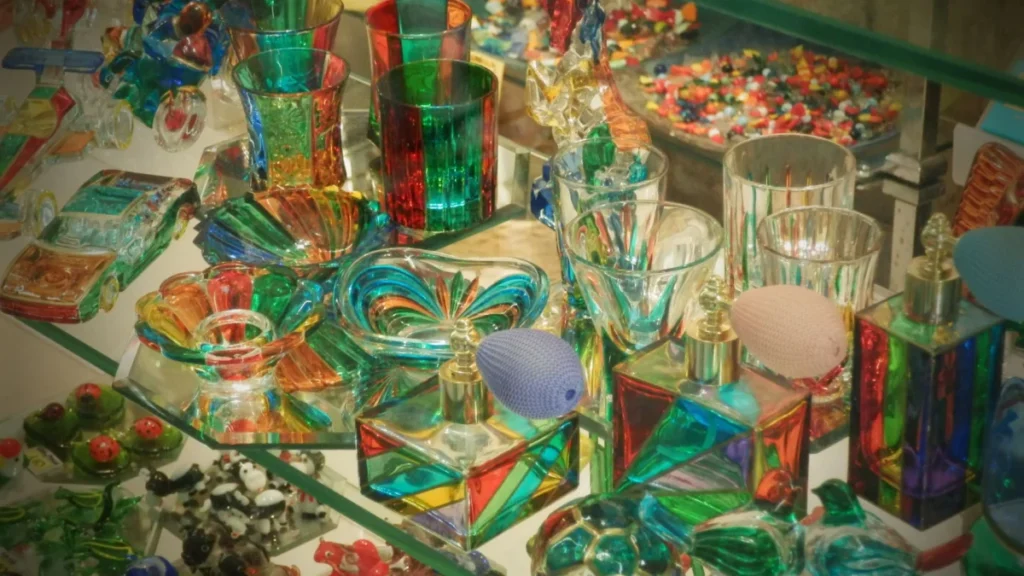
For a mother who appreciates modern art, Murano glass from the 1950s and 60s represents a pinnacle of glassmaking. This era, influenced by Color Field painting, saw glass become more experimental and sculptural.
Leading makers such as Venini, Seguso, and Barovier & Toso created pieces with a "dolce vita" feeling. Sara Blumberg of Glass Past suggests that an ideal gift includes both the object and a museum-linked exhibition catalog, providing the recipient with the full historical context of the piece.
Market Analysis: The Rise of the Circular Gift Economy
The shift toward vintage Mother’s Day gifts is reflective of a broader macroeconomic trend: the rise of the circular economy. Recent consumer surveys indicate that Gen Z and Millennial buyers—who are now the primary demographic purchasing for their mothers—are 40% more likely to buy secondhand than they were five years ago. This is driven by two factors:

- Sustainability: Avoiding the carbon footprint associated with new manufacturing and global shipping.
- Value Retention: Unlike new luxury goods, which often depreciate the moment they leave the store, well-chosen antiques often maintain or increase in value over time.
Furthermore, the "Grandmillennial" and "Clutter-core" design trends have revitalized interest in traditional crafts like needlepoint, silver service, and floral ceramics, making these items "on-trend" for a modern home.
Official Responses and Expert Advice for Online Sourcing
While the allure of the "find" is strong, designers like Janine Carendi MacMurray of Area Interior Design warn that online shopping requires extra diligence. Unlike physical antique fairs where an object can be handled and inspected, digital platforms vary in their vetting standards.
"You really should know who you’re buying from," MacMurray advises. She recommends a three-pillar approach to online sourcing:

- Review Vetting: Analyzing the seller’s history and responsiveness.
- Detailed Imagery: Requesting photos of the underside of pieces and any marks.
- Condition Reports: Obtaining a written statement of any chips, cracks, or restorations.
Broader Implications and the Future of Gifting
As Mother’s Day approaches, the move toward vintage gifting signals a deeper cultural desire for permanence in an increasingly digital and disposable world. Giving an object with "soul"—one that has survived decades or centuries—is a profound way to acknowledge the enduring nature of the maternal bond.
Whether it is a 1840s French blue enamel locket or a 1955 Murano zanfirico vase, these objects serve as more than just gifts; they are investments in history and family legacy. As the market for high-quality vintage continues to expand, the most successful gifts will be those that balance aesthetic beauty with the rigorous standards of the seasoned collector. By following the expert guidance on provenance, marks, and dealer reputation, shoppers can ensure that this Mother’s Day gift is as unique and enduring as the woman receiving it.