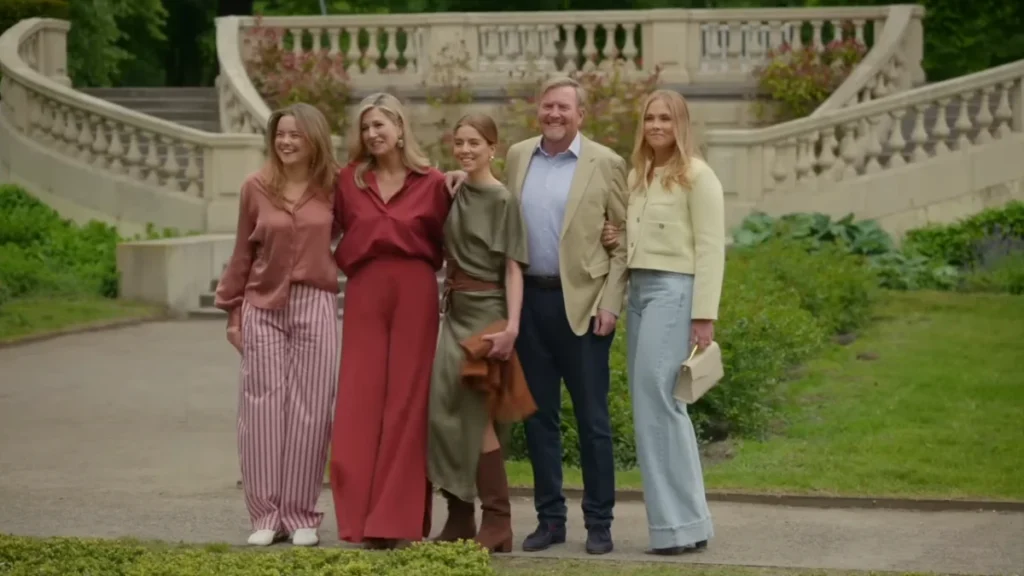

The Dutch Royal Family’s annual spring photo call, a cherished tradition offering a glimpse into the lives of the reigning monarchs and their heirs, this year provided a particularly poignant moment as King Willem-Alexander publicly lauded his eldest daughter, Princess Catharina-Amalia, the Princess of Orange. When questioned about her readiness to assume the throne, the King’s swift and emphatic response – “born ready” – underscored his profound confidence in the future queen. This declaration, made in the presence of media and family, signals a significant moment in the ongoing preparation of the heir apparent for her eventual constitutional duties.
A King’s Confidence in His Heir
The annual spring photo call, traditionally held at Huis ten Bosch Palace, serves as a key public engagement for the Dutch Royal House. It is an opportunity for the family to connect with the public and the media in a more informal setting, allowing for a range of questions that touch upon both personal and professional aspects of their lives. This year, the spotlight naturally fell on Princess Amalia, who, as the first in line to the throne, is increasingly the subject of public and media interest regarding her future role.
King Willem-Alexander’s declaration was not merely an expression of paternal pride, but a carefully considered statement reflecting the rigorous preparation Princess Amalia has undergone. Recalling his own experience upon learning of his mother Queen Beatrix’s impending abdication in 2013, he admitted, "I can say from personal experience, it is quite a shock.” This personal reflection highlights the immense weight of responsibility that accompanies the Dutch crown, and by extension, emphasizes his belief in Amalia’s capacity to navigate such a profound transition. His words suggest a deep understanding of the challenges inherent in succession, and a firm conviction that his daughter is already equipped to face them.
Princess Amalia’s Perspective on Preparedness
Princess Catharina-Amalia, often referred to as Amalia, addressed the question of her readiness with a maturity that resonated with observers. She clarified that her preparation for the monarchy is not confined to a specific schedule but is an ongoing process integrated into her life. “It is not as if I prepare for the monarchy between 3:00 PM and 5:00 PM in the afternoon. Life itself is a preparation,” she stated, highlighting her commitment to a holistic approach to her future responsibilities.
Her current activities, including her university studies and her part-time work with the reserves, are integral components of this preparation. By engaging in diverse experiences, Amalia is not only gaining practical knowledge but also developing the resilience and adaptability crucial for a head of state. This multifaceted approach demonstrates a keen awareness of the demands of modern monarchy, which requires not only ceremonial duties but also a deep understanding of societal issues and the ability to connect with a broad spectrum of the population.
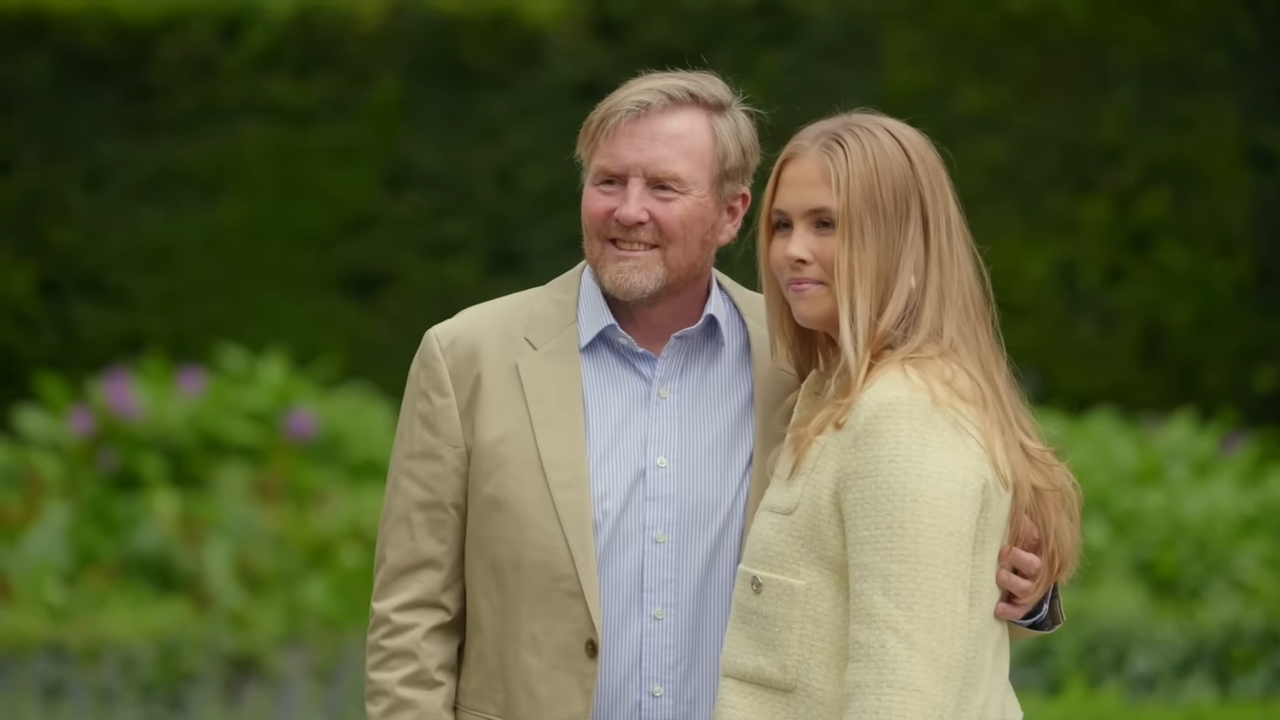
Furthermore, Princess Amalia offered a poignant perspective on the potential succession. She acknowledged that if she were to ascend to the throne due to the death of her father, rather than an abdication, the moment would be doubly significant. “Not only because you lose the King then, but because I also lose my father,” she remarked. This deeply personal statement reveals the complex emotional landscape of royal succession, where personal grief intertwines with constitutional duty. It underscores her humanity and her capacity for empathy, qualities that are essential for a monarch seeking to connect with their people.
Navigating Public Scrutiny and Security Concerns
The annual photo call also provided an opportunity for Princess Alexia to address recent media speculation surrounding her personal life. When questioned about a rumoured relationship with Dutch singer Antoon, she maintained a guarded stance, stating, “I know that in the past I haven’t always done smart things in the context of the media, but I know my own truth, I know who I am and I know who my friends are. I cannot say more about that.” Her measured response reflects a growing maturity in handling public attention and a determination to protect her privacy.
Queen Máxima, ever the astute matriarch, stepped in to support her daughter, politely but firmly redirecting the press: “I would prefer not to discuss such private matters.” This intervention demonstrates the family’s united front in managing media interactions and protecting the personal lives of its younger members.
Beyond personal relationships, the session also touched upon a more serious matter: a security threat that emerged earlier this year. In February, a man was arrested in connection with a plot that allegedly targeted Princesses Amalia and Alexia. The arrest followed the discovery of weapons and disturbing materials, including knives allegedly engraved with the princesses’ names and notebooks containing threats.
Princess Alexia spoke with gravity about the incident, acknowledging the shock such revelations can bring. She expressed gratitude for the diligent work of their security details and the unwavering support of their friends, stating, “You are shocked when you hear statements like that.” The suspect’s subsequent court appearance and his lawyer’s revelation that the man believed he was engaged in a romantic relationship with Amalia highlight the complex and sometimes disturbing nature of threats faced by public figures. This incident underscores the continuous need for robust security measures to protect the royal family. The legal proceedings are ongoing, and the outcome will be closely watched as it pertains to the safety protocols surrounding the Dutch monarchy.
Royal Family’s Global Engagements and Future Plans
The discussion also shifted to upcoming international engagements, revealing the active role the royal family plays on the global stage. King Willem-Alexander announced that the football-loving royal family would be traveling to the United States the following month to support the Netherlands and Curaçao teams competing in the World Cup. This highlights the family’s connection to popular sporting events and their role in national pride.
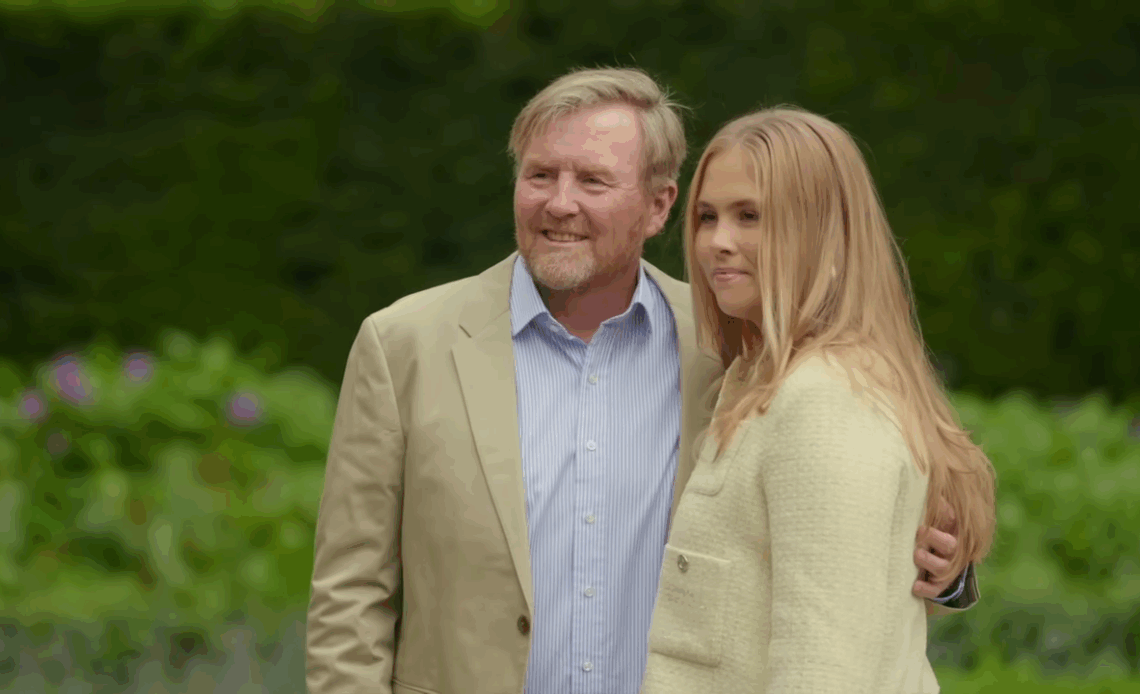
Princess Amalia expressed her enthusiasm for the tournament, even suggesting a desire to experience a match in a more informal setting: “Amalia stated that she might want to watch a match in an Amsterdam pub with the crowds.” This relatable aspiration offers a glimpse into her desire to connect with the public on a more personal level, away from the formalities of state events.
Adding to their international schedule, the King confirmed that the upcoming visit of the Japanese Emperor to the Netherlands would include watching the Netherlands-Japan football match. This diplomatic engagement, framed within a shared interest in sport, serves as an example of how cultural exchange and international relations can be fostered through various avenues.
Broader Implications for the Dutch Monarchy
King Willem-Alexander’s public endorsement of Princess Amalia’s readiness carries significant weight. It signals to the nation and the international community that the transition of power, when it eventually occurs, will be smooth and well-prepared. This declaration can be seen as an effort to reassure the public and bolster confidence in the continuity of the monarchy.
Princess Amalia’s nuanced approach to her preparation, blending academic pursuits, professional development, and personal growth, reflects a modern interpretation of royal duty. Her willingness to engage with diverse experiences suggests an understanding that a successful monarch must be adaptable and connected to the realities of contemporary society. Her candidness about the emotional complexities of succession also humanizes the royal figure, fostering a greater sense of connection with the populace.
The security concerns, while unsettling, also highlight the evolving challenges faced by royal families in an era of increased digital connectivity and heightened public interest. The swift and effective response of security services underscores the commitment to safeguarding the royal family, allowing them to continue their public duties with confidence.
The family’s upcoming international engagements, particularly their participation in the World Cup and their hosting of the Japanese Emperor, demonstrate their continued commitment to diplomacy and cultural exchange. These events serve to strengthen international ties and promote the Netherlands on the global stage. The blend of official duties with expressions of personal enthusiasm, such as Amalia’s desire to watch a match in a pub, suggests a monarchy striving for relevance and connection in the 21st century. The Dutch Royal Family, through these public appearances and statements, continues to navigate the delicate balance between tradition and modernity, solidifying its position as a stable and respected institution.