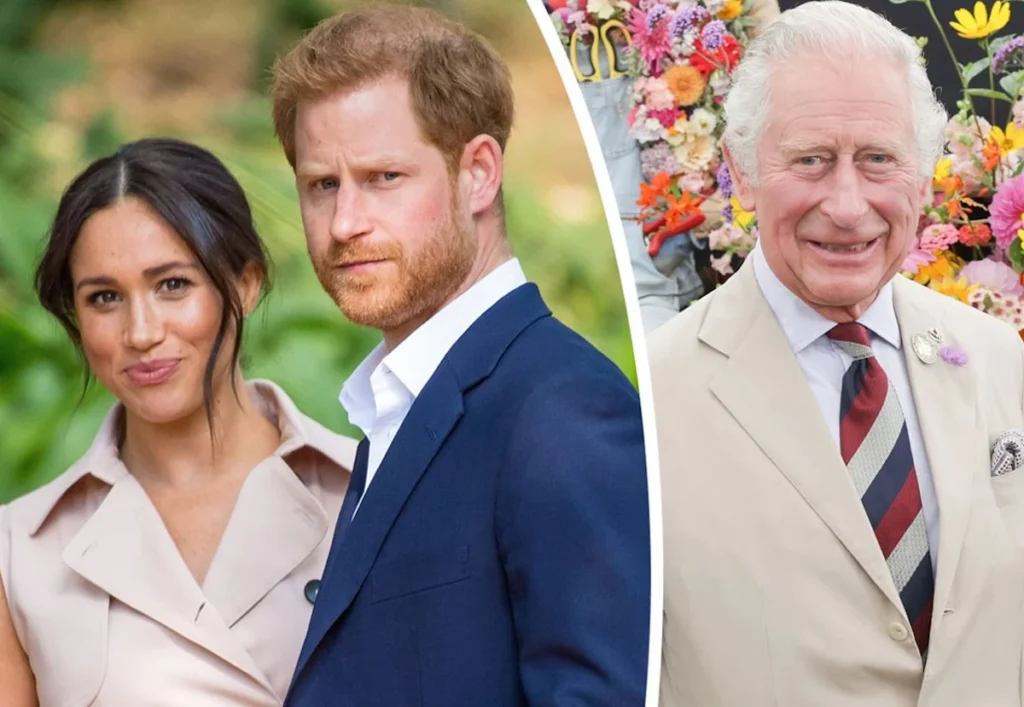

The question of whether a long-anticipated rapprochement could be more significant than generally perceived is currently a dominant topic among royal observers. Recent reports suggest Prince Harry is actively planning to reconnect with King Charles III, and speculation is rife that Meghan Markle, the Duchess of Sussex, might accompany him. This possibility, according to royal commentators, elevates the potential meeting from a private family matter to a highly symbolic public event with broad implications for the future dynamics of the British monarchy.
Royal commentator Amanda Matta, as reported by Page Six on Friday, articulated the profound symbolism inherent in Meghan’s potential involvement. Matta believes that "Meghan’s presence would certainly add symbolic weight to any reunion. If Meghan accompanies Harry to the UK or to a meeting with his family, it would signal to the public that any effort at rebuilding relationships extends to the Sussex family as a whole." This assertion underscores the immense public and internal significance of such an appearance. For years, the narrative surrounding the Duke and Duchess of Sussex has been dominated by themes of separation and discord from the Royal Family, making any joint appearance a powerful visual statement of attempted unity.
The Weight of Symbolism: Meghan’s Potential Role
Meghan Markle’s last significant public appearance in the United Kingdom alongside senior royals was at the funeral of Queen Elizabeth II in September 2022. Her return, especially for a meeting focused on reconciliation with King Charles, would inevitably be interpreted as a collective gesture towards mending fences. This goes beyond the optics of a simple visit; it would represent a tangible commitment from both sides to acknowledge and address the deep-seated issues that have plagued their relationships since the Sussexes’ decision to step back from their roles as working royals in early 2020.
The public, global media, and indeed, the Royal Family itself, have closely watched the evolution of this rift. A joint presence would suggest a move beyond individual grievances towards a more comprehensive family healing. It would communicate that any progress isn’t merely between father and son, but encompasses the broader family unit, including Meghan and, by extension, their children, Prince Archie and Princess Lilibet. This collective signal is crucial for presenting an image of stability and unity, particularly at a time when the monarchy has faced significant health challenges among its key members.
A Deep-Seated Rift: Background and Evolution
The journey to the current speculation of reconciliation has been protracted and fraught with public drama. Prince Harry and Meghan Markle’s relationship with the Royal Family began to visibly fray in 2019, culminating in their decision in January 2020 to step back from their senior royal duties. This move, famously dubbed "Megxit," saw them relocate first to Canada and then to California, seeking financial independence and greater privacy.
- Key Milestones in the Royal Divide:
- January 2020 – "Megxit": The announcement that the Duke and Duchess of Sussex would step back as senior royals, dividing their time between the UK and North America, and working towards financial independence. This decision sent shockwaves through the monarchy and the public.
- March 2021 – Oprah Winfrey Interview: In a bombshell interview with Oprah Winfrey, Harry and Meghan made several highly personal and damaging revelations about their time within the Royal Family. These included allegations of racism, a lack of support for Meghan’s mental health, and Harry feeling trapped within the institution. The interview severely strained relations, particularly with Prince William and King Charles.
- December 2022 – "Harry & Meghan" Netflix Documentary: The six-part documentary series offered an intimate, albeit controversial, look into their lives, their relationship, and their reasons for leaving the UK. It presented their narrative largely unchallenged, further solidifying public perceptions of a deep division with the monarchy.
- January 2023 – "Spare" Memoir Release: Prince Harry’s autobiography provided an unprecedentedly candid account of his life within the Royal Family. It detailed his struggles with grief, media intrusion, and his fraught relationships with his father and brother. The memoir contained specific criticisms and private anecdotes that reportedly caused significant distress within the palace.
These public disclosures, through various media platforms, effectively dismantled the traditional veil of privacy surrounding the Royal Family, exposing personal tensions and institutional shortcomings. Each event further widened the chasm between the Sussexes and the rest of the royals, making any prospect of genuine reconciliation appear increasingly remote.
- The Roots of Discontent:
It is vital to understand that the issues driving Prince Harry’s frustrations are not solely attributed to his marriage. As Matta pointed out, "The issues he has raised, of press intrusion and an emotionally stifling palace environment, existed and were eating away at Harry before he even met Meghan." Harry’s formative years were heavily impacted by the relentless media scrutiny of his mother, Princess Diana, and her tragic death. This experience instilled in him a deep distrust of the press and a fervent desire to protect his own family from similar pressures. His memoir, Spare, extensively details his feelings of being an "heir" versus a "spare," and his perception of a lack of emotional support within the palace walls. These long-standing grievances formed a significant part of his decision to seek a different path, with Meghan’s arrival perhaps accelerating an already brewing desire for change.
Recent Developments and Renewed Hopes
Despite the deep-seated nature of the rift, recent events have arguably created a window of opportunity for reconciliation. The health challenges faced by King Charles III and Princess Catherine have brought a renewed focus on family unity and support.
-
King Charles’s Outreach:
In February 2024, King Charles III announced his cancer diagnosis, a revelation that prompted Prince Harry to undertake a swift solo visit to the UK to see his father. This brief but significant visit was widely interpreted as a positive step towards mending their personal relationship. Reports from Page Six and other outlets suggest that Charles has made considerable efforts to facilitate a family reunion, including reportedly offering the Sussex family accommodations at a royal residence and proposing to handle logistical arrangements. Such gestures, particularly from the monarch, are not insignificant; they signal a genuine desire to rebuild connections and ease any potential barriers to a visit. -
Children as a Catalyst:
A powerful underlying motivator for reconciliation, particularly for Prince Harry, appears to be his desire for his children, Prince Archie and Princess Lilibet, to spend time with their grandfather. Harry reportedly "desperately wants" his children to reconnect with the monarch. Archie, born in May 2019, and Lilibet, born in June 2021, have had very limited interaction with their paternal grandparents and extended royal family due to the geographical distance and ongoing tensions. The desire for a grandparent-grandchild relationship is a universal one, and it is a factor that often transcends adult disagreements, potentially serving as a compelling reason for both sides to set aside past grievances. The children’s presence, should Meghan also attend, would further underscore the ‘family as a whole’ message.
Navigating Public Perception and Palace Optics
The potential reunion, if it occurs, will be meticulously scrutinized, not just for what happens behind closed doors, but for its public presentation. The optics surrounding such an event are paramount, as Matta warned, "The greatest risk, in my opinion, comes from how the palace manages this ‘return.’"
-
The Evolving Public Discourse:
Public understanding of the Royal Family and its internal workings has evolved considerably since Harry and Meghan last appeared publicly with Prince William and Princess Catherine in 2022. The candid disclosures from the Sussexes have provided unprecedented insight into the pressures, protocols, and emotional environment within the monarchy. The public generally understands that this relationship is incredibly complicated, moving beyond simplistic narratives of heroes and villains. This nuanced understanding means that any perceived missteps in managing a reunion could have significant repercussions for the Royal Family’s image. -
The Stakes of a "Return":
If the public witnesses mixed signals – reports of reconciliation alongside renewed tensions or awkward public interactions – it could reinforce the impression that the Royal Family is struggling to resolve its internal issues. Matta elaborated on this risk: "If the public sees mixed signals, like suggestions of reconciliation alongside reports of ongoing or renewed tension, it would reinforce the impression that the royal family is still navigating unresolved issues behind the scenes – that they can’t get their act together, in other words." This could lead to another public relations headache for an institution that thrives on projecting an image of steadfastness and unity, especially at a time of transition with a new monarch and ongoing health concerns. The palace would need to orchestrate any public appearances or statements with extreme care to convey genuine progress and avoid fueling further speculation about lingering discord.
Challenges to Trust: Beyond Individual Personalities
While Meghan’s potential presence is symbolically potent, Matta wisely cautioned that she is not the sole determinant of reconciliation success. "It just changes the stakes. The challenge in reconciling has never really been about any one person; it has been rebuilding trust across the board." This points to a more systemic issue, one that involves multiple parties and long-standing patterns of communication and expectation.
-
Charles’s Initial Welcome to Meghan:
Historically, there have been indications that King Charles III made genuine efforts to welcome Meghan into the family. Early reports and photographs often showed a warm rapport between them, with Charles reportedly developing a fondness for his daughter-in-law. However, as Matta noted, "she has taken a step back in recent years." This retreat can be seen as an acknowledgment that the core tensions largely stem from Harry’s relationship with his own family and the institution he grew up in. -
The Harry-Charles Dynamic:
The central dynamic at play is arguably the one between Prince Harry and King Charles. Harry’s autobiography, Spare, paints a complex picture of their relationship, marked by love, misunderstanding, and emotional distance. The underlying issues of press intrusion, a perceived lack of protection, and the inherent challenges of navigating royal life are deeply personal to Harry. While Meghan has been a significant figure in his life and a catalyst for change, the foundational cracks in Harry’s relationship with the monarchy and his family existed before her arrival. Therefore, genuine reconciliation requires addressing these deeper, father-son issues, rather than simply focusing on Meghan’s role.
Broader Implications for the Monarchy
The outcome of this anticipated meeting carries broader implications for the Royal Family’s public image and its future adaptability. In an era of increasing scrutiny and demand for transparency, the monarchy’s ability to navigate internal conflicts openly and constructively is crucial.
-
Modern Monarchy in the Spotlight:
This ongoing saga highlights the tension between traditional royal protocols and the demands of modern individuality and public expectation. How the Royal Family handles this deeply personal yet intensely public dispute will reflect on its capacity to evolve and remain relevant in the 21st century. A successful reconciliation could demonstrate a capacity for compassion and flexibility; a failed attempt could reinforce criticisms of rigidity and emotional detachment. -
The Line of Succession and Family Unity:
While Archie and Lilibet are not directly in the immediate line of succession, their place within the broader family narrative is important. A united family front, even if the Sussexes remain non-working royals, projects an image of stability and continuity for the institution. The presence of the younger generation, interacting with their grandfather and other family members, symbolizes the future of the monarchy and its enduring connections.
In conclusion, the potential reunion between Prince Harry and King Charles III, particularly with the possible attendance of Meghan Markle, is poised to be one of the most closely analyzed royal appearances in years. It is more than just a family meeting; it is a critical test of trust, a barometer of reconciliation, and a significant moment for the Royal Family’s public narrative. The stakes are undeniably high, and royal watchers globally will be keenly observing whether this anticipated summit marks a genuine turning point in a saga that has captivated and divided public opinion for years. The management of this event, both privately and publicly, will shape perceptions of the British monarchy for the foreseeable future.