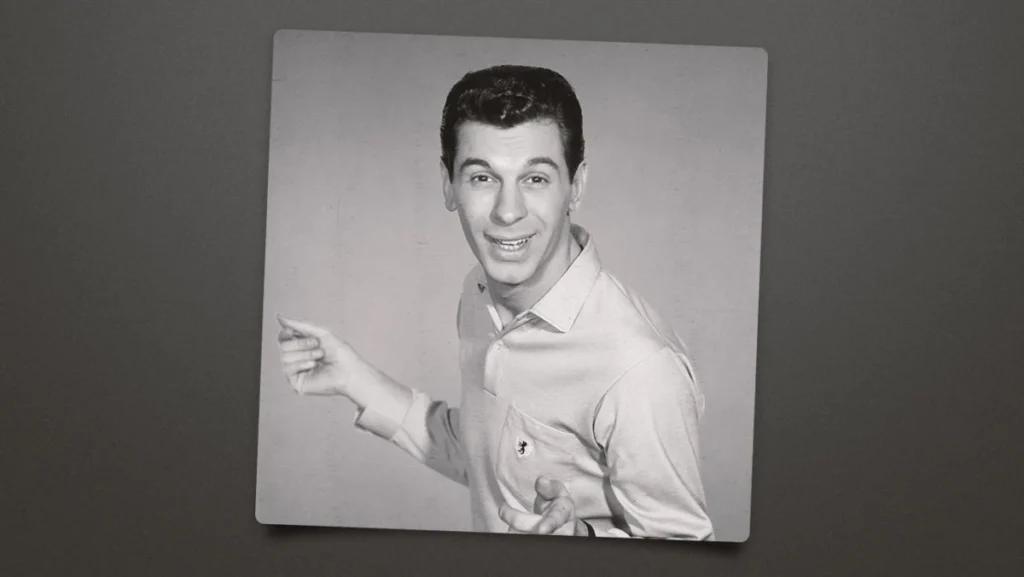

Freddy Cannon, the electrifying rock and roll icon whose booming vocals and dynamic stage presence propelled hits like "Palisades Park" and "Tallahassee Lassie" into the annals of music history, has passed away at the age of 89. Cannon, born Frederick Anthony Picariello Jr., died on Friday, October 4, 2024, at a hospice facility in California, according to an announcement from his close friend, iHeart Radio’s Tom Cuddy. His passing marks the end of an era for one of rock and roll’s most enduring and energetic performers, a true showman who carved out a distinctive niche in the genre’s formative years.
Cuddy revealed that Cannon had been scheduled for an interview with legendary DJ Cousin Brucie Morrow on July 11, a testament to his continued relevance and connection with the golden age of rock and roll. However, just a day before the anticipated appearance, Cannon was admitted to the hospital, indicating a period of declining health leading up to his death. His career, spanning over six decades, left an indelible mark on popular music, characterized by an infectious energy and a string of catchy, youth-oriented anthems that defined an era.
Early Life and the Genesis of a Rocker
Born on December 4, 1936, in Lynn, Massachusetts, Frederick Anthony Picariello Jr. was destined for a life immersed in music. From a young age, he exhibited a passion for rhythm and blues and early rock and roll, absorbing the sounds that were then beginning to sweep across America. His formative years in Lynn saw him hone his musical talents, initially playing guitar and later developing the powerful vocal style that would become his trademark. The working-class backdrop of his hometown provided a grounded beginning, but his ambitions soared far beyond local stages.
His journey into professional music began with local bands, where he gained invaluable experience performing in clubs and at school dances. It was during this period that he started crafting his unique sound, blending raw rock and roll energy with a polished, pop sensibility. This early period was crucial for developing the stage persona and vocal delivery that would later earn him the affectionate nickname, Freddy "Boom Boom" Cannon, a moniker reflecting his explosive performance style and the signature drum sound often featured in his records.
The Breakthrough with "Tallahassee Lassie"
The pivotal moment in Cannon’s nascent career arrived with an early recording of a track titled "Tallahassee Lassie." Co-written with Frank Slay Jr., the song captured the quintessential youthful exuberance and simple narrative appeal that characterized early rock and roll. The demo, rough around the edges but brimming with potential, soon caught the attention of Dick Clark, the influential host of American Bandstand. Clark, a true arbiter of taste for millions of American teenagers, recognized the song’s undeniable charm and Cannon’s raw talent.
Clark’s encouragement proved instrumental. He urged Cannon and his wife, Jeanette, to relocate to Philadelphia, the hub of American Bandstand and a burgeoning center for music production. This move in his late teens placed Cannon directly within the orbit of the music industry’s leading figures, setting the stage for his national breakthrough. "Tallahassee Lassie" was officially released in 1959 on Swan Records, and its ascent up the charts was swift and decisive. It peaked at No. 6 on Billboard’s Hot 100, marking Cannon’s debut on the prestigious chart and solidifying his status as a legitimate rock and roll artist. The song’s success was a testament to its catchy melody, Cannon’s energetic delivery, and the burgeoning power of radio and television in shaping popular music.
A Star on American Bandstand: The Record-Setting Appearances
The year following his debut hit, 1960, saw Freddy Cannon make his first appearance on Dick Clark’s American Bandstand. This was more than just a performance; it was an initiation into the national consciousness for any aspiring pop or rock star of the era. American Bandstand, broadcast nationally, was the most important platform for new music, directly connecting artists with their young audience. Its format, featuring teenagers dancing to the latest hits and artists performing live, was revolutionary.
Cannon’s dynamic stage presence and the infectious energy of his songs were perfectly suited for the show. He went on to become one of American Bandstand‘s most frequent and beloved guests, establishing an unprecedented record of 110 appearances on the weekly dance program over the years. This extraordinary feat underscored not only his consistent popularity but also his reliability as an entertainer. For many viewers, Cannon became a familiar and welcome face, his appearances synonymous with the vibrant, optimistic spirit of early 1960s youth culture. Each performance was an opportunity to showcase new material, reinforce his hits, and further cement his "Boom Boom" persona, solidifying his bond with generations of fans. His record on American Bandstand remains a significant benchmark, reflecting his enduring appeal and the unique relationship he fostered with the show and its audience.
The Enduring Legacy of "Palisades Park" and Other Hits
While "Tallahassee Lassie" launched his career, it was "Palisades Park" in 1962 that became Freddy Cannon’s signature song and his highest-charting track. Reaching No. 3 on the Billboard Hot 100, the song was a vivid, nostalgic ode to the iconic amusement park in Fort Lee, New Jersey. Interestingly, "Palisades Park" was penned by Chuck Barris, who would later become a celebrated game show creator and host for shows like The Gong Show and The Dating Game. Barris’s lyrical genius captured the thrill and romance of a summer night at the amusement park, a universal theme that resonated deeply with teenagers across America. The song’s blend of Cannon’s energetic vocals, a driving beat, and evocative lyrics made it an instant classic, a snapshot of American youth culture in the early 1960s. Its success further cemented Cannon’s place as a purveyor of feel-good, high-energy rock and roll.
Cannon’s repertoire, however, extended far beyond these two monumental hits. Throughout the early to mid-1960s, he consistently delivered tracks that captured the spirit of the times. His additional hits included 1960’s "Jump Over" and "Chattanooga Shoe Shine Boy," showcasing his versatility and ability to interpret different styles while maintaining his distinct sound. In 1964, "Abigail Beecher" continued his chart presence, followed by "Action" in 1965, a track that would become closely associated with the popular television show Where the Action Is!, on which Cannon also appeared. His final major chart hit came in 1966 with "The Dedication Song." These songs, among many others, solidified Cannon’s reputation as a consistent hitmaker and a beloved figure in the rock and roll landscape.
Musical Style and Impact
Freddy Cannon’s musical style was characterized by its raw energy, straightforward rock and roll appeal, and an undeniable sense of fun. His powerful, often shouted vocals, combined with tight instrumentation featuring prominent drums (hence the "Boom Boom" nickname), guitars, and a driving rhythm section, created a sound that was both aggressive and danceable. He eschewed the more complex arrangements of some of his contemporaries, opting instead for a direct, impactful approach that resonated with a youth audience seeking excitement and escapism.
Music historians often credit Cannon with epitomizing a particular strain of early rock and roll – the loud, unpretentious, and relentlessly upbeat style that directly influenced countless garage bands and punk rockers in later decades. His music was a celebration of youthful exuberance, often focusing on themes of dancing, cars, and innocent romance. This made him a favorite among teenagers who saw in his music a reflection of their own lives and desires. Cannon’s ability to inject pure, unadulterated energy into every performance, whether live or on record, ensured his enduring appeal and a distinct place in rock and roll’s diverse pantheon.
Beyond the Music: Memoir and Screen Appearances
Freddy Cannon’s creative endeavors extended beyond the recording studio and concert stage. In 2011, he released his memoir, Where the Action Is!, a retrospective look at his storied career and life experiences. The title itself was a nod to the popular 1960s American musical variety television series of the same name, produced by Dick Clark, on which Cannon was a frequent performer. The memoir offered fans an intimate glimpse into the world of early rock and roll, chronicling his rise to fame, his interactions with other legends, and the evolution of the music industry through his eyes.
His charisma and distinctive look also led him to several screen credits. Beyond Where the Action Is!, Cannon appeared in films such as No Time for Sergeants (1964), Village of the Giants (1965), and Never Too Young (1965). He also graced television screens in later years, including an appearance on the horror host program Svengoolie, demonstrating his willingness to embrace new audiences and maintain a connection with his fanbase across different media. These ventures showcased a multifaceted artist who was comfortable not only with his musical identity but also with exploring other avenues of creative expression.
Personal Life and Legacy
Freddy Cannon was a family man, and his passing is a profound loss for his loved ones. He is survived by his children, Conny Weber and Billy Cannon; his sister, Mary Lou; son-in-law, Jim; daughter-in-law, Beth; five grandchildren; and seven great-grandchildren. The family announced that Cannon was preceded in death by his son, John, who passed away in April, and his wife, Jeanette, who died in 2024. This sequence of losses adds a poignant layer to the end of his remarkable life, highlighting the personal dimensions behind the public persona.
Cannon’s legacy is not just measured in chart positions or record sales, but in the enduring joy his music brought to millions. He was a foundational artist in the rock and roll movement, a true showman who delivered exactly what his audience craved: excitement, rhythm, and catchy tunes that invited everyone to dance. His songs continue to be celebrated in oldies radio formats, classic rock compilations, and have been featured in numerous films and television shows, introducing his sound to new generations. The energy of "Tallahassee Lassie" and the nostalgic charm of "Palisades Park" remain vibrant testaments to a golden era of music.
As tributes pour in from fellow musicians, industry figures, and fans, the collective memory of Freddy "Boom Boom" Cannon will undoubtedly focus on his infectious enthusiasm and his unwavering commitment to rock and roll. His contributions helped shape the sound of an entire generation and solidified his place as an unforgettable figure in American popular culture. His passing leaves a void in the hearts of those who loved him and in the landscape of music history, but his "boom boom" beat will continue to echo for years to come.