

The K-pop industry is currently witnessing a polarized discourse surrounding the commercial trajectory of Lee Taemin, a central figure of the second-generation idol era and a member of the iconic group SHINee. As of June 2026, online communities and music industry analysts are engaged in a heated debate regarding whether the legendary performer is maintaining his cultural dominance or if his recent solo endeavors signal a decline in domestic relevance. This discussion was catalyzed by the chart performance of his latest digital single, "Permission," which has struggled to gain traction on South Korea’s primary streaming platforms despite Taemin’s high-profile international activities and a rigorous promotional schedule.
The 2026 Comeback Trajectory: A Timeline of Global Ambition
Taemin’s 2026 calendar has been one of the most ambitious of his career, characterized by a distinct shift toward the Western market while maintaining his foundations in the Korean industry. The year began with a strategic focus on the United States, marked by the release of his first full English-language single, "Long Way Home," in March. The track represented a milestone for Taemin, successfully entering the US Top 40 Radio Airplay chart—a feat that remains challenging for K-pop soloists.
Following the success of "Long Way Home," Taemin’s visibility in the West was further amplified through appearances on major American daytime programs. In April, he performed and was interviewed on The Kelly Clarkson Show and The Jennifer Hudson Show, where he was introduced as a "legendary veteran" of the genre. This US-centric promotion culminated in a landmark performance at the Coachella Valley Music and Arts Festival, where he showcased a career-spanning setlist that received critical acclaim for its choreography and stage presence.
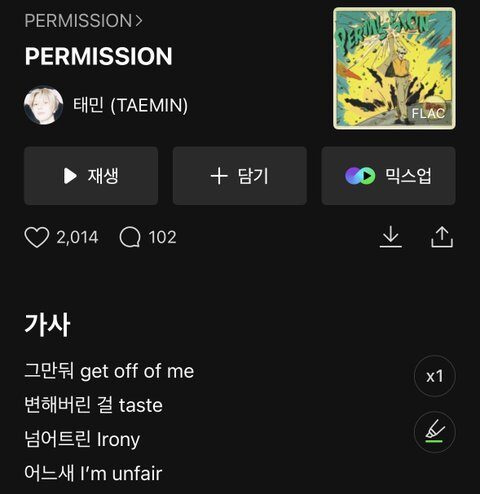
However, the momentum appeared to shift upon his return to the domestic market. In May 2026, Taemin released the digital single "Permission." Unlike his previous hits such as "Move" or "Guilty," which permeated the general public’s consciousness through viral dance challenges and high chart positions, "Permission" has seen a more muted response. By June 3, 2023, the track was reported to be hovering in the 500s on the Melon Music Daily Chart, with fewer than 2,000 "likes" on the platform. This discrepancy between his global prestige and domestic digital consumption has become the focal point of the current "flopping" narrative.
Analyzing the "Melon Metric" and Domestic Chart Performance
In the ecosystem of K-pop, the Melon Music chart is often viewed as the definitive barometer of a song’s popularity among the South Korean general public. While physical album sales indicate the strength of a dedicated fandom, digital streaming reflects the listening habits of the broader populace. For a soloist of Taemin’s stature, a ranking in the 500s is statistically significant, as his previous releases typically debuted within the Top 100 or higher.

Netizens on platforms like Nate Pann have been quick to point out this disparity. Skeptics argue that the "Permission" performance indicates a "generational turnover," suggesting that the general public’s attention has shifted entirely to fourth and fifth-generation groups like NewJeans, TWS, and RIIZE. The argument posits that while Taemin remains a respected senior figure, his music may no longer be capturing the "trendiness" required to compete on domestic charts.
Conversely, industry experts suggest that the chart performance of "Permission" may be a result of its release format and promotional focus. As a digital single released shortly after a heavy US promotional cycle, it lacked the traditional "comeback" infrastructure of a physical album, which usually drives higher engagement from the domestic core fandom. Furthermore, the song’s sonic direction—reportedly more experimental and geared toward a global audience—may have diverged from the current melodic trends dominating the Korean charts in mid-2026.
The SHINee Factor and Group vs. Solo Dynamics
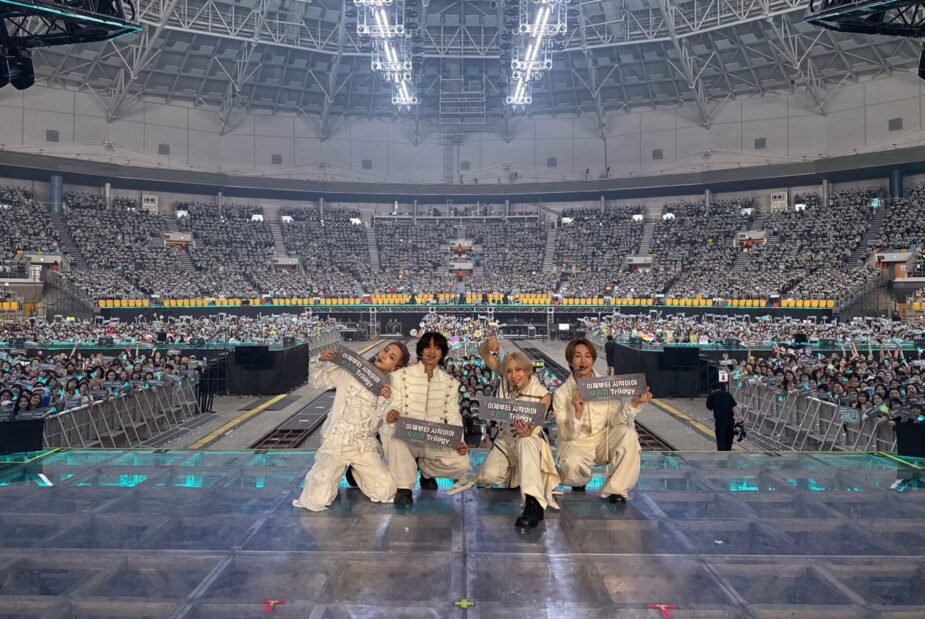
The debate over Taemin’s relevance is complicated by the continued success of SHINee as a collective unit. Earlier in 2026, SHINee released their 6th mini-album, Atmos, which was met with robust sales and critical praise. The group also successfully completed their latest concert series, 2026 SHINee WORLD VIII: [THE INVERT], which saw sold-out shows in Seoul, Tokyo, and Singapore.

This group-level success suggests that the "SHINee brand" remains incredibly potent. Fans defending Taemin argue that a lower-than-expected chart position for a single digital track does not equate to a loss of relevance, especially when his participation in group activities continues to draw massive crowds and revenue. They point to the "sold-out" status of his solo fan meetings and the high demand for his concert tickets as evidence of a "bulletproof" career that transcends temporary chart fluctuations.
Industry Perspectives: Redefining "Success" for Veteran Idols
The conversation surrounding Taemin reflects a broader shift in how success is measured for K-pop artists who have been active for over a decade. For a "second-generation" idol like Taemin, who debuted in 2008, the traditional metrics of "all-kills" and music show wins are increasingly being replaced by career longevity, global touring power, and "legacy" status.
Market analysts note that the K-pop industry is currently bifurcated. On one hand, there is the "streaming market," dominated by young groups and viral hits. On the other, there is the "touring and IP market," where veteran artists like Taemin thrive. In 2025 and 2026, the revenue generated by veteran soloists through international tours, luxury brand endorsements, and high-margin merchandise often exceeds that of newer groups with higher streaming numbers.
Furthermore, Taemin’s recent foray into US radio airplay suggests a strategic pivot. By securing a spot on the US Top 40, Taemin is tapping into a market that offers greater long-term financial stability and a different kind of prestige than a high ranking on a domestic streaming site. For many artists of his tenure, the goal is no longer to be the "top-charting" artist in Korea, but to be a "global legacy" artist with a sustainable international career.
Fan Reactions and the "Idol of Idols" Reputation
The backlash against the "flopping" narrative has been swift among Taemin’s fanbase, known as "Taemints," as well as SHINee’s "Shawols." Supporters argue that the focus on Melon rankings is a reductive way to view a career that has spanned 18 years. They emphasize Taemin’s role as the "Idol of Idols," a title earned because dozens of younger performers cite him as their primary inspiration and role model.
"Taemin’s impact isn’t measured in likes on an app; it’s measured in the fact that he is still headlining festivals and selling out arenas nearly two decades into his career," one fan comment on a viral thread read. Others pointed out that the 2026 SHINee world tour demonstrated that the group’s fanbase is not only loyal but growing, as a new generation of listeners discovers their discography.
Implications for the Future of Second-Generation Artists
The heated debate over Taemin’s current standing serves as a case study for the future of other legendary idols from the same era. As the "second generation" enters their late 20s and 30s, the industry is watching closely to see how they navigate the transition from "active competitors" to "established legends."
If Taemin continues to prioritize global charts and experimental music, he may continue to see a disconnect with the domestic general public, but he will likely solidify his position as a pioneer of the "Global K-pop" movement. The outcome of this debate will likely set the tone for how other veteran soloists manage their domestic vs. international priorities in the years to come.
As of now, Taemin remains one of the busiest and most visible figures in the industry. Whether "Permission" was a momentary chart outlier or a sign of shifting tides, his upcoming projects—including a rumored full-length solo album slated for late 2026—will be under intense scrutiny. For now, the "legendary" status of SHINee’s youngest member remains intact in the eyes of his peers and his global audience, even as the digital landscape of South Korea continues its rapid evolution.