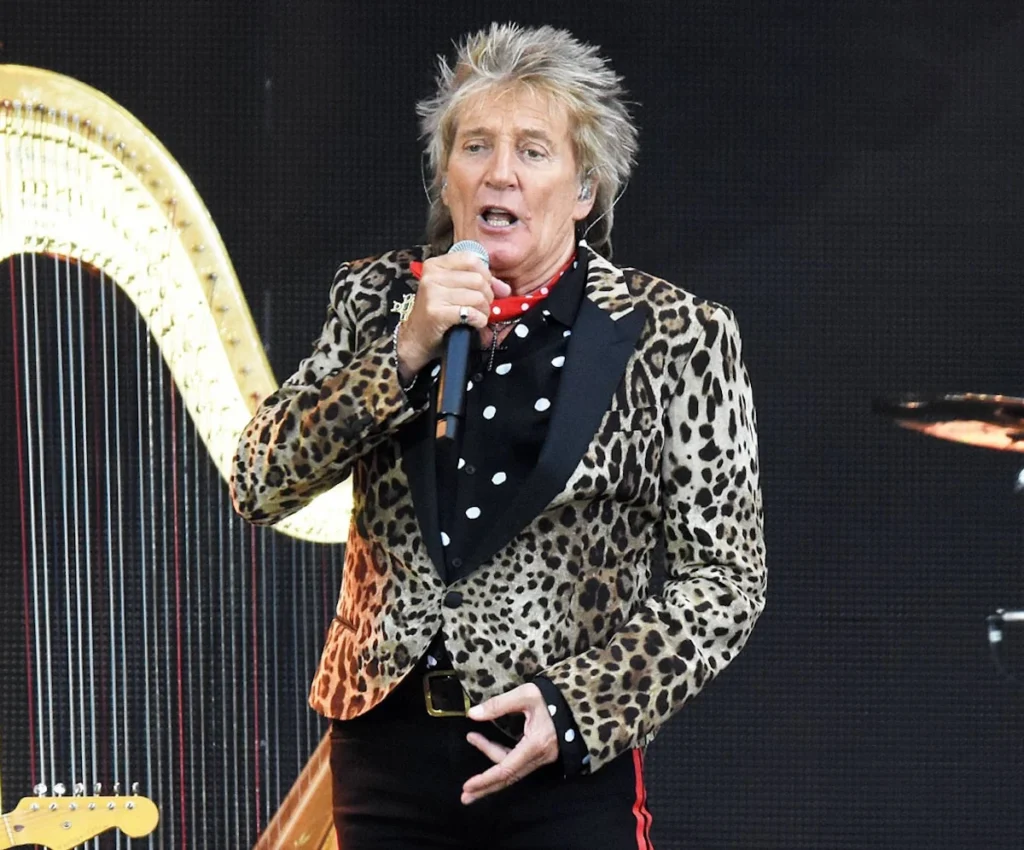

Legendary rock icon Rod Stewart unexpectedly canceled two highly anticipated performances at The Colosseum at Caesars Palace in Las Vegas, leaving thousands of fans who had traveled to Sin City for the weekend in a state of disappointment and logistical disarray. The cancellations, announced just hours before showtime, affected his scheduled performances on Friday, May 29, and Saturday, May 30. The veteran performer cited a sinus infection requiring vocal rest as the reason, with his management reassuring ticket holders that he is slated to return to the stage on June 2. This incident casts a spotlight on the inherent challenges of maintaining demanding performance schedules, particularly for artists with long and illustrious careers.
Immediate Fallout and Chronology of Events
The initial announcement of the cancellations came late on Friday, May 29. A representative for Rod Stewart issued a statement to local media outlets, confirming the unfortunate news. The statement read: "Following his doctor’s advice, Rod Stewart has regretfully canceled his performances at The Colosseum at Caesars Palace in Las Vegas on May 29 and 30, but is scheduled to return with shows beginning June 2." This formal communication provided a brief explanation and a prospective return date, aiming to manage expectations and provide clarity.
However, the timing of the announcement exacerbated the frustration for many attendees. Social media reports indicated that some fans received notification of the Friday night show’s cancellation as late as 5:48 p.m. Pacific Time, barely two hours before the scheduled 7:30 p.m. start. For those who had already arrived at the venue, made dinner reservations, or were en route, this last-minute news presented significant logistical challenges. Many had flown into Las Vegas from across the country, and even internationally, specifically for these performances, investing substantially in airfare, hotel accommodations, and other travel expenses. The abrupt nature of the cancellation meant that these non-refundable costs were largely unrecoverable, adding a financial sting to the emotional disappointment.
Shortly after the official statement, Rod Stewart himself took to his personal channels to offer a more direct explanation and apology to his fanbase. He stated: "My apologies to my family of fans. I am on vocal rest as I recover from a sinus infection. I look forward to seeing you at a future show at Caesars Palace or on tour this summer." His personal message, though brief, served to humanize the situation, directly addressing his supporters and reiterating his commitment to returning to performing.
Understanding the Medical Imperative: Vocal Rest for Sinus Infections
While a sinus infection might appear to be a common ailment, for a professional vocalist, it represents a significant threat to their primary instrument: their voice. The nasal passages, sinuses, and vocal cords are intimately connected. An infection in the sinuses can lead to inflammation, congestion, and post-nasal drip, all of which directly impact vocal cord function. The vocal cords themselves can become irritated and swollen, making it painful and even damaging to sing.
Medical professionals routinely advise complete vocal rest for singers experiencing sinus infections or any upper respiratory ailment that affects the vocal apparatus. Attempting to sing through such an infection can lead to vocal nodules, polyps, or other more severe and potentially career-ending injuries. Vocal rest means not just refraining from singing, but often also minimizing speaking, whispering, and any activity that puts strain on the voice. For an artist like Rod Stewart, whose distinctive rasp and powerful delivery are central to his appeal, preserving vocal health is paramount to his continued career longevity. The doctor’s advice, therefore, was not merely a suggestion but a critical directive to protect his instrument.
Fan Reactions: A Mix of Sympathy and Frustration
The immediate aftermath on social media platforms, particularly X (formerly Twitter), showcased a wide spectrum of fan reactions. A significant portion expressed sympathy and well wishes for Stewart’s swift recovery, understanding the necessity of vocal rest. Comments such as "Get well soon, Rod!" and "Your health comes first" were prevalent, reflecting a loyal and empathetic fanbase.
However, the last-minute timing of the cancellations inevitably led to considerable frustration. One commenter on X succinctly captured the sentiment, stating, "Feels like the Colosseum is cursed atp," a reference to previous high-profile cancellations at the venue. This sentiment underscores the significant investment fans make in attending such events, not just financially but also in terms of time and anticipation. The logistical nightmare of rearranging travel, accommodation, and alternative weekend plans for those who had journeyed to Las Vegas became a recurring theme in online discussions. For some, the inconvenience and financial loss overshadowed the concern for the artist’s health, leading to more pointed criticisms. One commenter suggested, "He needs to retire and enjoy the rest of his years in peace, anyway tbh," reflecting a perspective that questions the sustainability of such demanding careers at an advanced age.
The Context of Las Vegas Residencies and The Colosseum
Las Vegas residencies have become a cornerstone of the entertainment industry, offering artists a unique opportunity to perform multiple shows in a single location, reducing the grueling travel demands of traditional tours. For cities like Las Vegas, these residencies are significant economic drivers, drawing millions of tourists annually and generating substantial revenue for hotels, casinos, restaurants, and local businesses. The Colosseum at Caesars Palace, with its 4,300-seat capacity, is one of the city’s premier entertainment venues, purpose-built for extended artist engagements. It has hosted a constellation of music legends, including Celine Dion, Elton John, Mariah Carey, and Adele, solidifying its reputation as a mecca for top-tier performers.
However, the history of Las Vegas residencies is not without its challenges. High-profile cancellations are not unprecedented. Adele, for instance, famously postponed her "Weekends with Adele" residency at Caesars Palace in January 2022 just 24 hours before its scheduled launch, citing production delays and COVID-19 related issues. That decision, while ultimately leading to a hugely successful rescheduled residency, initially caused immense frustration and financial hardship for her fans. These incidents highlight the delicate balance between the demands of large-scale productions, the well-being of the artists, and the expectations of a global audience. The "curse" sentiment expressed by some fans, while anecdotal, reflects a collective memory of these past disruptions.
Rod Stewart’s Enduring Legacy and Stance on Retirement
At 79 years old (born January 10, 1945), Rod Stewart stands as a testament to remarkable career longevity and enduring appeal. His career spans over six decades, marked by a string of global hits and a distinctive vocal style that has captivated generations. His commitment to performing has been a consistent theme throughout his recent years. Despite his age, Stewart has repeatedly dismissed any notions of retirement. Last year, after announcing what some misinterpreted as a farewell tour, he clarified that he was merely stepping away from extensive worldwide touring, not from music or live performance altogether. His ongoing Las Vegas residency, "Rod Stewart: The Hits," is a testament to this commitment, allowing him to perform regularly without the exhaustive travel demands of a traditional global tour.
Stewart has often spoken publicly about his dedication to maintaining his physical fitness, even after undergoing a knee replacement. This proactive approach to health underscores his desire to continue performing at a high level. His vocal prowess, while naturally evolving with age, remains a defining characteristic of his live shows. The recent cancellations, therefore, are more accurately viewed as a temporary setback for vocal recovery rather than a signal of an impending career conclusion.
Broader Implications for Artist Health and Industry Practice
The incident with Rod Stewart’s canceled shows brings to the forefront several broader implications for the entertainment industry and the artists who drive it. Firstly, it underscores the immense physical and vocal toll that performing, even in a residency format, can take on an artist, particularly as they age. While residencies offer a less strenuous travel schedule, the intensity of performing multiple shows per week demands peak physical and vocal condition.
Secondly, it highlights the need for robust contingency planning by venues and promoters. While last-minute cancellations are unavoidable in some circumstances, effective communication, transparent refund policies, and assistance with rebooking (where possible) can mitigate the negative impact on fans. Most venues offer full refunds for canceled shows, but the ancillary costs for fans often go uncompensated. This remains a point of contention and a challenge for the industry to address more comprehensively.
Finally, the incident fuels the ongoing discussion about artist longevity and the pressure to perform. In an industry where artists often define themselves by their ability to connect with audiences live, the decision to step back, even temporarily for health reasons, can be fraught with complex emotions and financial considerations. Rod Stewart’s situation serves as a reminder that even the most seasoned and resilient performers are susceptible to the vagaries of health, reinforcing the importance of prioritizing well-being above all else.
For now, fans eagerly await Rod Stewart’s scheduled return on June 2, hoping for a swift and full recovery for the legendary rocker. The show, as they say, must go on, but only after the artist’s health is fully restored. The episode serves as a poignant reminder of the human element behind the grand spectacle of live entertainment.