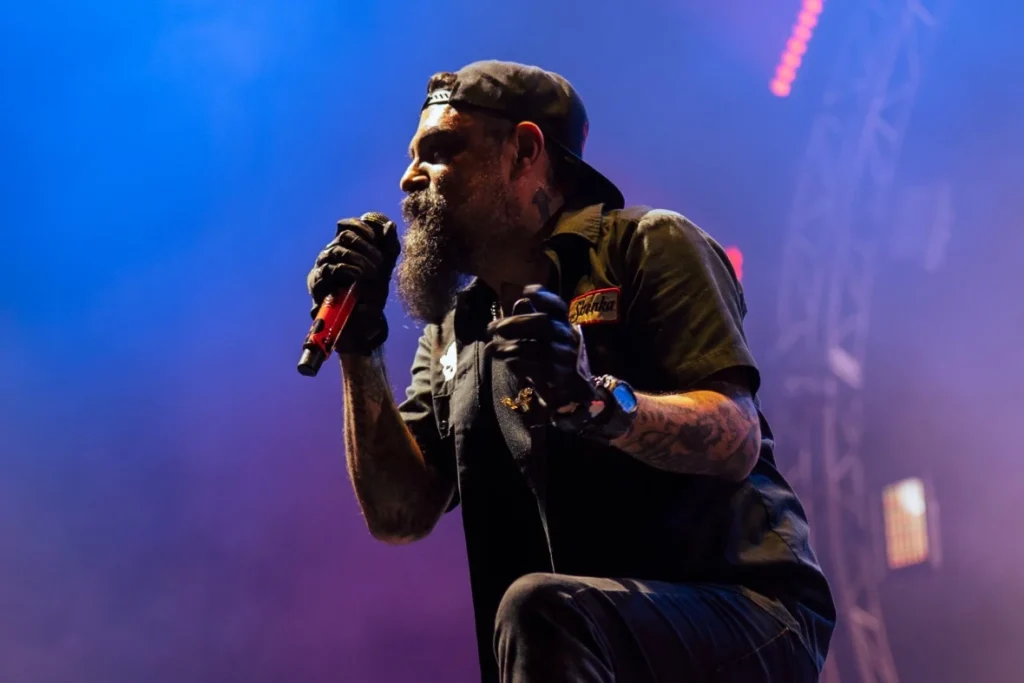

Panteón Rococo, the iconic Mexican ska-rock band, returned to Ciudad Nezahualcóyotl on Saturday, May 30th, to commemorate their 30-year career with a concert that drew an estimated crowd of over 120,000 attendees. This historic performance took place in the Deportivo Ciudad Jardín, a sprawling public space within one of the most populous municipalities in the world, a location deeply intertwined with the band’s origins and early touring history. The event, organized by Mexico’s federal Ministry of Culture, was a cornerstone of the Festival Ecos de Oriente and part of the broader National Circuit of Festivals for Peace, a government initiative dedicated to promoting cultural access and fostering a culture of peace across the nation.
The concert marked a significant milestone for Panteón Rococo, a band that has consistently blended infectious ska rhythms with powerful rock anthems, establishing themselves as a dominant force in Latin American music over the past three decades. Their return to Ciudad Nezahualcóyotl, a vibrant and densely populated suburb of Mexico City, resonated with a sense of homecoming. Lead vocalist Dr. Shenka, addressing the immense crowd, expressed his joy and connection to the city: "Welcome, everyone! Nezahualcoyotl looks beautiful, a land of great artists, culture, and struggles." His words acknowledged the unique spirit of the municipality, a place known for its resilience and rich cultural tapestry.
A Celebration of Music and Culture
The Festival Ecos de Oriente, a key component of the National Circuit of Festivals for Peace, aimed to provide free cultural experiences to a wide audience, particularly young people. Panteón Rococo’s headline performance was the undisputed highlight, drawing an unprecedented number of fans. The band, known for its energetic live shows and socially conscious lyrics, delivered a setlist comprised of their most beloved hits, including anthems like "La Carencia," "La Dosis Perfecta," "La Rubia y El Demonio," "Arréglame el Alma," and "Vendedora de Caricias." These songs have become ingrained in the fabric of Mexican rock culture, resonating with multiple generations.
The festival’s lineup also featured a diverse array of other notable musical acts, reflecting the richness of Mexico’s contemporary music scene. Nana Pancha, Fania y la Rebelión Rumbera, Los Kramer, and Out of Control Army shared the stage, offering a varied sonic landscape that catered to the diverse tastes of the festival-goers. This collaborative spirit underscored the festival’s mission to celebrate the breadth of artistic expression within Mexico.
The Significance of Ciudad Nezahualcóyotl
Ciudad Nezahualcóyotl, often referred to as "Neza," holds a special place in the history of Panteón Rococo. As one of the most populous municipalities in the world, with official figures placing its population well over one million residents, Neza represents a significant demographic and cultural hub. The band’s early performances in this area were instrumental in building their initial fan base, and their return to headline such a massive event underscores their enduring popularity and deep connection with their roots. The Deportivo Ciudad Jardín, the venue for the concert, is a testament to the scale of public spaces available in such densely populated areas, capable of hosting events of national significance.
The choice of Nezahualcóyotl for this landmark concert was not merely logistical; it was symbolic. It represented a return to the heartland of their supporters, a reaffirmation of their commitment to the communities that have embraced their music since their inception. The band’s journey from playing in smaller venues in Neza to commanding a crowd of over 120,000 is a testament to their sustained artistic relevance and the power of their music to connect with the masses.
Panteón Rococo’s Enduring Legacy and National Recognition
The 30th-anniversary celebration is not confined to this singular event. Panteón Rococo is currently embarking on their "30 Aniversario Generación del 95" world tour, a testament to their global appeal and the longevity of their career. This year has also seen significant recognition for the band on an international level. Billboard recently acknowledged their contributions to music by including them in their prestigious list of "The 50 Best Latin Rock Bands of All Time." This accolade further solidifies their position as pioneers and enduring icons within the Latin rock genre.

Their inclusion on this list is a testament to their ability to consistently produce music that is both commercially successful and artistically significant. Panteón Rococo’s sound, a vibrant fusion of ska, rock, reggae, and cumbia, has influenced countless other artists and has served as a soundtrack for social commentary and celebration for millions. The "Generación del 95" moniker itself refers to the year the band was formed, marking a specific era in Mexican rock music from which they have emerged as one of its most enduring representatives.
The National Circuit of Festivals for Peace: A Cultural Imperative
The National Circuit of Festivals for Peace represents a significant governmental investment in the cultural landscape of Mexico. Launched this year, the initiative aims to democratize access to artistic experiences by offering free events across the country. The circuit’s programming is diverse, featuring a wide range of genres and artists, from established Mexican stars like Carín León and Lila Downs to international figures such as Dutch DJ Martin Garrix. This broad approach ensures that the festivals appeal to a wide demographic, fulfilling the initiative’s goal of reaching thousands of young people and communities nationwide.
The Ministry of Culture’s involvement in organizing events like the Festival Ecos de Oriente highlights a growing recognition of the role that music and arts play in social cohesion and national identity. By supporting free festivals, the government aims to nurture cultural appreciation, provide platforms for emerging and established artists, and offer enriching experiences to citizens, particularly those who may not have the financial means to attend commercial concerts. The success of Panteón Rococo’s performance in Nezahualcóyotl serves as a powerful example of the potential impact of such initiatives.
Analysis and Implications
Panteón Rococo’s monumental concert in Ciudad Nezahualcóyotl signifies more than just a birthday celebration; it underscores several key trends and developments in the Mexican music industry and cultural policy. Firstly, it demonstrates the enduring power of live music to unite large communities and create shared experiences. The sheer scale of the attendance at a free event suggests a strong public appetite for accessible cultural programming.
Secondly, the concert highlights the continued relevance of ska-rock as a genre in Latin America. Panteón Rococo’s ability to draw such a massive crowd after 30 years in the industry is a testament to their musical evolution and their ability to connect with contemporary audiences while staying true to their roots. Their inclusion in Billboard‘s list of top Latin rock bands further validates their historical and ongoing importance.
Thirdly, the event serves as a powerful endorsement of government-led cultural initiatives. The National Circuit of Festivals for Peace, by facilitating free access to high-quality artistic performances, is playing a crucial role in broadening cultural participation. The success of the Festival Ecos de Oriente, particularly Panteón Rococo’s headline performance, provides a strong case for continued investment in such programs, which can have a profound impact on community engagement and the development of cultural appreciation among younger generations.
The band’s choice to perform in Ciudad Nezahualcóyotl, a municipality often characterized by its working-class demographic and social challenges, also carries symbolic weight. It signals a commitment to inclusivity and to bringing significant cultural events to areas that might traditionally be overlooked in favor of more affluent urban centers. This approach aligns with the stated goals of the National Circuit of Festivals for Peace, aiming to democratize culture and make it accessible to all segments of society.
In conclusion, Panteón Rococo’s 30th-anniversary concert in Ciudad Nezahualcóyotl was a landmark event that celebrated not only the band’s remarkable career but also the vibrant cultural landscape of Mexico and the growing importance of accessible, government-supported arts initiatives. The sheer magnitude of the audience and the palpable energy within the Deportivo Ciudad Jardín served as a powerful testament to the enduring legacy of Panteón Rococo and the unifying force of music.