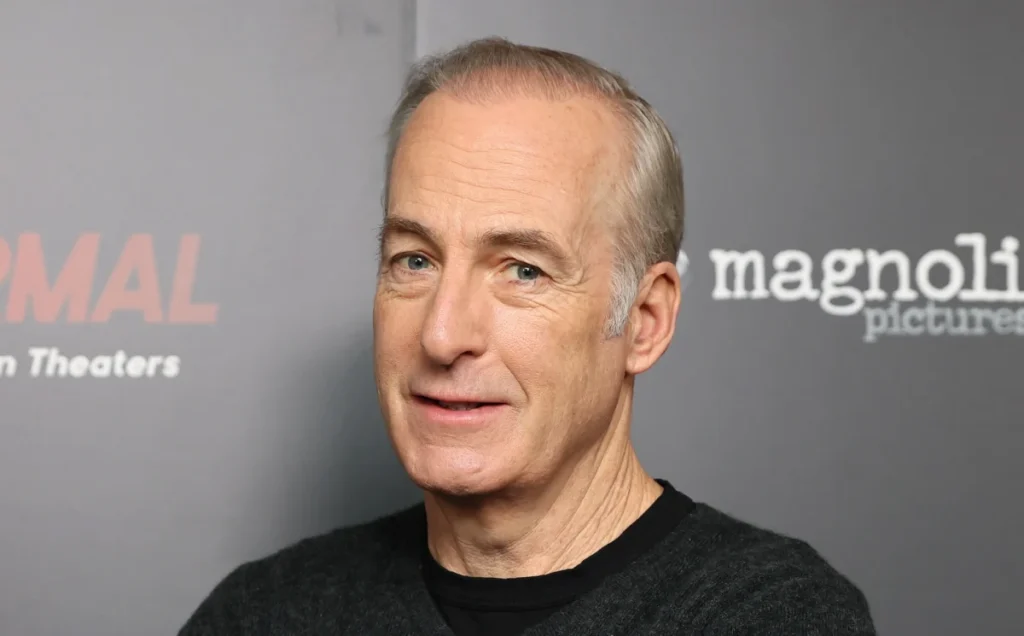

Bob Odenkirk, the Emmy-winning actor celebrated for his transformative role as Saul Goodman in the critically acclaimed "Breaking Bad" and its prequel "Better Call Saul," has recently offered a poignant and detailed account of the harrowing near-fatal heart attack he experienced on the set of "Better Call Saul" in July 2021. Speaking with The Times U.K. while promoting his new action-comedy film "Normal," Odenkirk recounted the terrifying moments leading up to and following the cardiac event, highlighting the disorienting chaos and the profound gratitude he feels for his survival. The incident, which occurred during the filming of the show’s sixth and final season, has cast a significant shadow, prompting a re-evaluation of his health and a renewed appreciation for life, even as he continues to embrace demanding physical roles.
The Unforeseen Crisis on Set
The stark reality of Odenkirk’s heart attack unfolded with a chilling lack of immediate recognition from those around him, a consequence, he explained, of the strict social distancing protocols in place due to the COVID-19 pandemic. "I went down and Rhea [Seehorn] and Patrick [Fabian] grabbed me, and they were screaming, but [the crew members] thought they were laughing," Odenkirk recalled, painting a vivid picture of the confusion. "So there were delays in reacting because we were all so far apart from each other." This distance, intended to ensure safety, inadvertently created a critical lag in recognizing the severity of Odenkirk’s condition.
His co-stars, Rhea Seehorn and Patrick Fabian, who played Kim Wexler and Howard Hamlin respectively in "Better Call Saul," were among the first to realize the gravity of the situation. Their frantic attempts to alert the crew were initially misinterpreted as part of the scene or even as jovial banter, a testament to the surreal nature of the event and the unusual circumstances under which they were filming. Odenkirk himself was completely unconscious during this critical period, a void in his memory that only amplifies the accounts of those who witnessed the ordeal. "I was gone. I turned grey," he stated, relaying what he later learned about his appearance. The initial on-set medical response also presented challenges, with Odenkirk noting, "Eventually the on-set medic showed up, and he didn’t know what to do. He’d never done CPR." This detail underscores the unexpected nature of the emergency and the reliance on immediate, albeit sometimes unprepared, medical intervention.
A Week in the Dark and the Gift of a Second Chance
The extent of Odenkirk’s cardiac arrest meant that his consciousness was completely extinguished. He has no recollection of the event itself, nor of the immediate aftermath. His first memory is not of a near-death experience or a spiritual awakening, but rather of his discharge from the hospital. "The first memory I have is leaving the hospital a week after I got there," he shared, emphasizing the stark absence of any recollection of the preceding days. This complete blackout is a common phenomenon for individuals who have experienced severe cardiac events and were unconscious for an extended period.
Odenkirk’s survival is something he views with profound humility and a deep sense of appreciation. He described his recovery and subsequent return to health as "such a gift, to experience a few weeks where I felt that way about my presence in the world… I felt just very, very delighted and engaged." This sentiment reflects a renewed perspective on life, a heightened awareness of its fragility, and a profound joy in simply being present and engaged with the world around him. It suggests that the near-death experience, while terrifying, has ultimately led to a more mindful and appreciative outlook.
The Medical Diagnosis and the Road to Recovery
In a subsequent interview with The New York Times Magazine in 2022, Odenkirk elaborated on the medical cause of his heart attack. He revealed that a buildup of plaque in his arteries was the underlying issue, with a piece of this plaque breaking off and obstructing blood flow to his heart. This led to an emergency procedure where he underwent a stent placement to restore normal blood flow. The swift and successful medical intervention was crucial in preventing permanent damage and ensuring his recovery.
Following the incident, Odenkirk was understandably advised to make significant lifestyle changes. He has since adopted a healthier diet and is diligent about taking his prescribed medications. These measures are standard practice for individuals who have experienced a heart attack, aimed at reducing the risk of future cardiac events. The commitment to these changes is vital for long-term cardiovascular health.
A Continued Commitment to Action
Despite the life-altering nature of his heart attack, Odenkirk has not shied away from physically demanding roles. His post-heart attack career has notably included starring roles in the action thriller "Nobody" and its upcoming sequel, as well as his latest project, the action-comedy "Normal." This willingness to continue performing intense action sequences is a testament to his resilience and his determination not to let his health scare dictate the trajectory of his career.
When asked about his current health in an interview with People magazine in April, Odenkirk expressed confidence. "Oh, it’s good. It’s good," he stated. He further elaborated on his continued physical regimen, noting, "And I’m still going to the gym for stunt fighting. I go twice a week with my same trainer, Daniel Bernhardt." This consistent training indicates a proactive approach to maintaining his physical capabilities, essential for his chosen genre of work.
Odenkirk acknowledged that he did contemplate scaling back his involvement in action films. However, he ultimately decided against it, fearing that a prolonged break might make a return to such physically intensive work more daunting. "Because once I stop, I think it might be a little intimidating to get back," he explained. "But if I keep up the basics, then it’s not so scary to just amp it up in time for a movie." This strategic approach suggests a calculated effort to remain physically prepared, ensuring that he can seamlessly transition back into demanding roles when opportunities arise. His decision reflects a deep-seated passion for his craft and a refusal to be defined solely by his health crisis.
Broader Implications and a Message of Resilience
Bob Odenkirk’s candid discussion about his heart attack serves as a powerful reminder of the unpredictable nature of health, even for individuals who appear to be in peak physical condition. His experience underscores the importance of recognizing the signs of a cardiac emergency and the critical role of prompt medical intervention. The initial misinterpretation of distress signals on set also highlights potential challenges in emergency response, particularly in environments with strict safety protocols that might inadvertently create barriers to immediate assistance.
Furthermore, Odenkirk’s ongoing dedication to action roles after such a significant health event sends a message of resilience and optimism. It demonstrates that a serious medical crisis does not necessarily signal the end of an active and fulfilling career. His proactive approach to health management, combined with his unwavering commitment to his profession, offers an inspiring example of how individuals can navigate adversity and continue to pursue their passions. The actor’s journey from a life-threatening cardiac event on a film set to actively promoting his new action-comedy film is a testament to the strength of the human spirit and the enduring power of the will to live and create. His story is not just about surviving a heart attack, but about thriving in its aftermath, a narrative that resonates with a broader audience facing their own personal challenges.