
The British broadcasting community is mourning the loss of veteran newsreader Dermot Murnaghan, who passed away on Saturday morning at the age of 68 following a period of illness with stage four prostate cancer. Tributes have poured in for the revered journalist, with fellow broadcaster Nick Owen leading the condolences, describing Murnaghan as a "perfect TV broadcaster" and highlighting his death as a poignant example of the critical need for early prostate cancer detection. Owen, 78, known for his long tenure at BBC Midlands Today and his own public battle with the disease, emphasized the urgency of men, particularly those in high-risk groups, prioritizing their health checks.
A Distinguished Career in British Broadcasting
Dermot Murnaghan’s career spanned several decades, leaving an indelible mark on British television news and current affairs. Born in London, his journey through broadcasting saw him become a familiar and trusted face in millions of homes. He began his career in the early 1990s, quickly rising through the ranks due to his sharp intellect, calm demeanor, and authoritative yet approachable style.
Murnaghan’s early career included significant roles at various major broadcasters. He presented news bulletins for ITV and Channel 4, gaining a reputation for his incisive interviewing and ability to convey complex information with clarity. However, it was his 15-year tenure as a lead anchor at Sky News that cemented his status as one of the UK’s most recognizable news figures. During his time at Sky News, he covered numerous monumental events, from general elections and major political shifts to international crises and royal occasions, guiding viewers through unfolding stories with a steady hand. His presence was a cornerstone of Sky News’s coverage, often anchoring lengthy live broadcasts during critical breaking news.

Beyond hard news, Murnaghan also showcased his versatility as a presenter, notably hosting the popular BBC quiz show "Eggheads" for 11 years. This role allowed audiences to see a different facet of his personality, demonstrating a quick wit and engaging rapport with contestants and co-presenters alike. His ability to transition seamlessly between serious journalism and light entertainment underscored his broad appeal and professionalism. Throughout his career, Murnaghan was celebrated for his dedication to journalistic integrity, his thorough preparation, and his commitment to holding those in power accountable, all while maintaining a dignified and respectful on-screen presence.
Nick Owen’s Heartfelt Tribute and Shared Personal Battle
Speaking on BBC Breakfast on Sunday, Nick Owen offered a deeply personal and heartfelt tribute to his colleague. Owen, himself a celebrated figure in broadcasting, particularly known for his work on BBC Midlands Today, described Murnaghan with profound admiration. "He had enormous warmth, which I think is absolutely crucial for a broadcaster to connect with an audience," Owen stated, elaborating on Murnaghan’s unique ability to forge a genuine connection with viewers. "He had this ability to connect with an audience as opposed to just reading things out or saying things. It’s actually connecting with each individual wherever they are in the country, or the world – he had that ability."
Owen further praised Murnaghan’s journalistic prowess, remarking on his meticulous preparation and forensic interviewing style. "He was always across his brief. When he was interviewing people, he really knew his stuff. He didn’t let them get away with it. He was forensic, but not over aggressive. He was subtle." For Owen, Murnaghan epitomized the ideal television presenter: "He was just a perfect TV broadcaster, as far as I’m concerned." He concluded his tribute by expressing his personal respect: "(He was) someone I looked up to and really respected and admired, and it was great to know him just a little bit."
The tribute took on an even more poignant resonance given Owen’s own public battle with prostate cancer. Diagnosed in 2023, Owen has since become a vocal advocate for early detection, sharing his journey to raise awareness. This shared experience undoubtedly deepened his connection and empathy for Murnaghan, transforming his tribute into a powerful call to action regarding a disease that tragically claimed his peer.

The Critical Imperative for Prostate Cancer Awareness
Dermot Murnaghan’s death serves as a stark reminder of the devastating impact of prostate cancer, particularly when diagnosed at an advanced stage. His announcement in 2025 of a stage four diagnosis underscores the aggressive nature of the disease once it has spread. Murnaghan, like Owen, had used his platform to advocate for greater awareness, understanding the crucial role public figures can play in demystifying health conditions and encouraging proactive health-seeking behaviors.
Nick Owen, who revealed his own prostate cancer diagnosis in August 2023 on BBC Midlands Today and BBC Breakfast, has been relentless in his campaigning. His experience was particularly alarming as he had "no symptoms at all," highlighting that the absence of symptoms does not equate to the absence of disease. This is a critical message that Owen continues to amplify, stressing that waiting for symptoms often means the cancer has progressed.
Owen reiterated on BBC Breakfast that Murnaghan’s case was "a perfect example that it was caught too late. If you catch it early, something can be done." He emphasized the "absolutely vital" need for men, especially Black men and those over 40 who face heightened risks, to "keep tabs" on their health. "It’s absolutely critical that people get in the system and be aware of this," he urged.
Prostate cancer is the most common cancer among men in the UK, with over 52,000 new cases diagnosed each year. Around one in eight men will be diagnosed with prostate cancer in their lifetime. For Black men, the risk is even higher, with one in four being diagnosed. Age is another significant factor, with the risk increasing significantly after 50. Family history also plays a crucial role; having a father or brother who had prostate cancer before age 60 more than doubles an individual’s risk.

Early detection is paramount to successful treatment. When caught early and confined to the prostate, the survival rate is significantly higher. However, once the cancer has spread beyond the prostate (metastatic or stage four), treatment options become more limited, and the prognosis is often poorer. Screening typically involves a Prostate Specific Antigen (PSA) blood test and sometimes a digital rectal examination (DRE). While the PSA test is not perfect and can lead to false positives or overdiagnosis, medical professionals generally recommend that men in at-risk groups discuss the pros and cons of testing with their GP. High-profile cases like Murnaghan’s and Owen’s are instrumental in bringing these discussions to the forefront, prompting more men to consider early checks.
Chronology of Key Events and Advocacy
- Early 1990s: Dermot Murnaghan begins his extensive broadcasting career, working with ITV and Channel 4.
- Late 1990s: Nick Owen becomes a lead presenter for BBC Midlands Today, a role he holds for decades.
- 2000s: Dermot Murnaghan joins Sky News, becoming a prominent lead anchor for 15 years, establishing himself as a household name.
- 2008: Murnaghan begins hosting the BBC quiz show "Eggheads," showcasing his versatility beyond news.
- 2019: Murnaghan concludes his 11-year run as host of "Eggheads."
- August 2023: Nick Owen publicly announces his prostate cancer diagnosis on BBC Midlands Today and BBC Breakfast, initiating his advocacy for early detection, having experienced no symptoms.
- 2025: Dermot Murnaghan publicly announces his diagnosis of stage four prostate cancer, beginning his own advocacy for awareness.
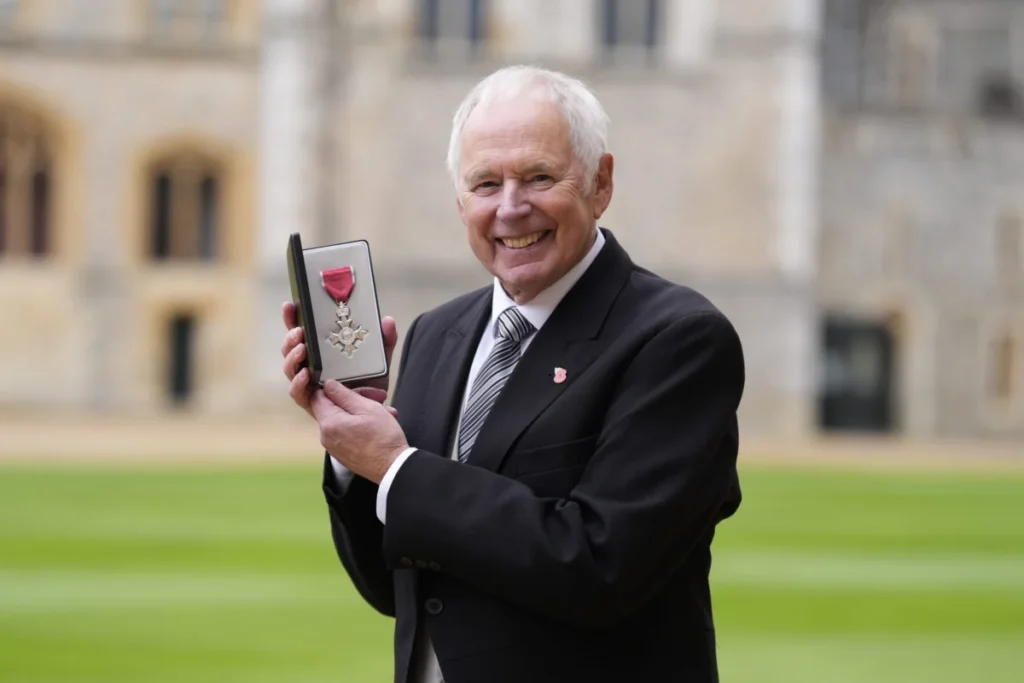
- June 2024: Nick Owen is made a Member of the Order of the British Empire (MBE) in the King’s Birthday Honours for his services to charity and broadcasting.
- Saturday, July 11, 2026 (assumed date based on image metadata): Dermot Murnaghan passes away at the age of 68 following his illness.
- Sunday, July 12, 2026 (assumed date based on image metadata): Nick Owen pays tribute to Dermot Murnaghan on BBC Breakfast, linking his death to the urgent need for prostate cancer awareness and early detection.
Broader Impact and Enduring Legacy
The passing of Dermot Murnaghan not only marks the end of an era for British broadcasting but also intensifies the national conversation surrounding prostate cancer. His public struggle, coupled with Nick Owen’s ongoing advocacy, creates a powerful narrative that resonates deeply with the public. Such high-profile cases often lead to a measurable increase in awareness and, critically, in men seeking medical advice and screening. Health charities and organizations like Prostate Cancer UK consistently emphasize the impact that public figures can have in destigmatizing the disease and promoting life-saving early detection.
Murnaghan’s legacy will undoubtedly be dual-faceted: remembered for his unwavering professionalism, his calm and insightful news delivery, and his ability to connect with audiences across a range of programming. Simultaneously, his personal battle will stand as a poignant reminder of the importance of vigilance against prostate cancer. Nick Owen, by continuing to champion the cause, ensures that Murnaghan’s experience is not in vain but serves as a catalyst for positive change in public health outcomes. Their combined voices underscore a vital message: early diagnosis can save lives, and open conversation about men’s health is indispensable.
The broadcasting community, while mourning a cherished colleague, will likely continue to honor Murnaghan’s memory by amplifying the message of prostate cancer awareness. This collective effort, spurred by personal tragedies and courageous advocacy, aims to ensure that more men understand their risks, engage with healthcare providers, and ultimately receive timely diagnoses that can make a profound difference in their battle against the disease. The loss of Dermot Murnaghan is a profound one, but his story, intertwined with Owen’s, has the potential to leave a lasting, life-saving impact on men’s health across the nation.