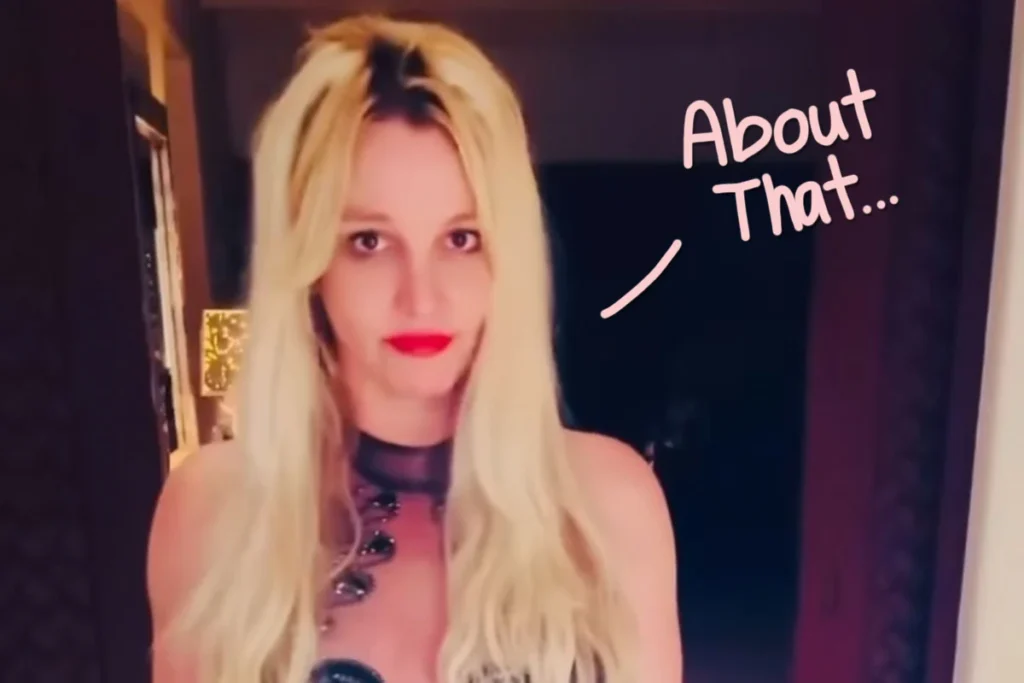

Pop icon Britney Spears recently addressed a widely circulated incident where she was photographed with her upper body extended through the sunroof of a moving Mercedes G-Wagon on a bustling Los Angeles freeway. The images, which captured the 44-year-old singer in what appeared to be a moment of unrestrained exuberance, sparked immediate public concern and widespread media discussion. Responding to the viral attention, Spears took to social media to offer her perspective, asserting that "Nothing is what it seems" and hinting at a deeper reality beyond the fleeting visual spectacle.
The Incident Unfolds: A Public Spectacle on the Freeway
The event that ignited a fresh wave of media interest occurred over the weekend leading up to July 12, 2026. Photographs obtained and widely disseminated by TMZ showed Spears, known affectionately as the "Princess of Pop," protruding significantly from the sunroof of a luxury vehicle. The images depicted her head and entire upper torso outside the moving Mercedes G-Wagon, which was reportedly being chauffeured by a driver. Eyewitness accounts and the visual evidence suggested Spears was enjoying a moment of seemingly carefree abandon on a busy stretch of the LA freeway. The sight of a high-profile celebrity in such an unconventional and potentially hazardous position quickly drew the attention of concerned fans and the public alike, prompting a flurry of online discussion and speculation regarding her well-being.
The specific details surrounding the exact freeway, time of day, and duration of Spears’s emergence from the sunroof remain somewhat anecdotal, largely pieced together from the paparazzi photographs. However, the sheer visibility of the act on a major public thoroughfare ensured its rapid capture and subsequent spread across various news and social media platforms. The incident immediately recalled previous periods of intense public scrutiny surrounding Spears’s personal life and public appearances, underscoring the enduring fascination and concern that follows the global superstar.
Chronology of Events and Initial Responses
The timeline of the incident and its aftermath unfolded rapidly, characteristic of the modern celebrity news cycle:
Weekend Discovery and Media Dissemination
The initial photographs of Britney Spears in the sunroof began to surface over the weekend. These candid shots, captured by paparazzi, quickly made their way to celebrity news outlets. TMZ, a prominent entertainment news website, was among the first to publish the images, which then proliferated across social media platforms, sparking immediate public discourse. The striking nature of the visuals—a global pop icon seemingly flouting conventional safety norms on a freeway—ensured their viral spread.
Initial Source Clarification
In the immediate wake of the photos gaining traction, anonymous sources close to Spears reportedly reached out to TMZ to provide context and assuage burgeoning public worries. These sources conveyed that the "Toxic" singer was "doing well" and that the "wild ride" should not be interpreted as a cause for concern. One source went further, suggesting that such an act would be considered "good, clean fun" in Louisiana, Spears’s home state, implying a cultural or personal context to her actions that might be misunderstood by outsiders. These initial statements aimed to temper the more sensational interpretations of the incident and reassure fans about her state of mind.
Spears’s Direct Response on Social Media
By Sunday, as the images continued to dominate headlines and social feeds, Britney Spears herself chose to address the situation directly. Utilizing her Instagram platform, a primary channel for her personal communications in recent years, she shared a photo from the excursion. This move allowed her to reclaim a degree of agency over the narrative, offering her own perspective rather than relying solely on third-party interpretations or anonymous sources. Her decision to speak out underscored the impact the incident had generated and her apparent desire to manage its public reception.
Britney Spears’ Statement: "Nothing Is What It Seems"
On her Instagram account, Britney Spears posted a photograph from the controversial freeway ride and accompanied it with a caption that sought to reframe the public’s understanding of the moment. Her statement was both defiant and introspective, challenging the instant conclusions drawn from a brief visual:
"What people see is two seconds of insanity of me arching me to the lords !!!!! yet the days and hours of my reality !!!!!! Nothing is what it seems."
This powerful declaration encapsulated a recurring theme in Spears’s public life: the significant disparity between the curated, often sensationalized, public image and the complex, multifaceted reality of her existence. By highlighting the "two seconds of insanity" versus "the days and hours of my reality," she implicitly criticized the media’s tendency to extrapolate an entire narrative from a fleeting moment. The phrase "arching me to the lords" suggests a moment of intense, perhaps spiritual or cathartic, release, rather than mere recklessness.
Spears further added a playful, yet telling, postscript to her statement: "Psss I think I need to come out of the roof quite a bit more." This follow-up comment can be interpreted in several ways. On one hand, it could be a humorous dismissal of the seriousness with which the incident was perceived, suggesting a desire to embrace such moments of freedom more often. On the other, it might subtly convey a yearning for more liberation and uninhibited expression in her life, a sentiment that resonates deeply with her journey following the termination of her conservatorship. Her direct engagement with the narrative through her own platform allows her to assert control over her public image, even as the images themselves continue to circulate.
Background and Context: A Life Under Scrutiny
To fully understand the significance of the sunroof incident and Spears’s subsequent defense, it is crucial to place it within the broader context of her recent life, particularly her journey since the termination of her conservatorship.
Post-Conservatorship Era: Navigating New Freedom
The termination of Britney Spears’s 13-year conservatorship in November 2021 marked a pivotal moment in her life. For over a decade, her personal, financial, and professional affairs were largely controlled by others, most notably her father, Jamie Spears. This period was characterized by a severe restriction of her autonomy, leading to the highly publicized #FreeBritney movement and a global outpouring of support for her regaining independence.
Since her liberation, Spears has been navigating the complexities of newfound freedom under intense public and media scrutiny. Her social media presence, in particular, has become a lens through which fans and critics alike attempt to understand her journey. Her posts often oscillate between moments of joy and vulnerability, expressing both the exhilaration of self-determination and the lingering trauma of her past experiences. This incident, therefore, is not merely a celebrity behaving unusually; it is viewed by many as another expression of a woman reclaiming her agency, albeit sometimes in ways that challenge conventional norms or raise eyebrows. The public is acutely aware that every action she takes is scrutinized through the prism of her past struggles and her hard-won freedom.
Past Scrutiny and Mental Health Narratives
Spears’s history includes well-documented periods of personal struggle and intense media harassment, particularly in the mid-2000s. These events contributed to a pervasive public narrative around her mental health, often leading to interpretations of her behavior that are both sympathetic and, at times, overly speculative. Any deviation from conventional celebrity conduct is frequently filtered through this established narrative, leading to heightened concern or, conversely, a dismissive attitude. Her statement, "Nothing is what it seems," directly confronts this tendency, implicitly asking the public to look beyond superficial appearances and consider the deeper context of her life.
Paparazzi Culture in Los Angeles
The backdrop of this incident—a Los Angeles freeway—is also significant. Los Angeles is the epicenter of celebrity culture and, consequently, of paparazzi activity. Celebrities, particularly those with a history of high public interest like Spears, are under constant surveillance. Every public outing, no matter how mundane, carries the risk of being captured and turned into a news story. This pervasive paparazzi culture often creates a pressure cooker environment, where spontaneous moments are instantly commodified and analyzed, sometimes stripping them of their original context or intent. The presence of a chauffeured vehicle for Spears is often a strategy to mitigate this constant intrusion, yet even this measure proved insufficient to prevent the capture and sensationalization of her sunroof moment.
Previous Driving-Related Scrutiny
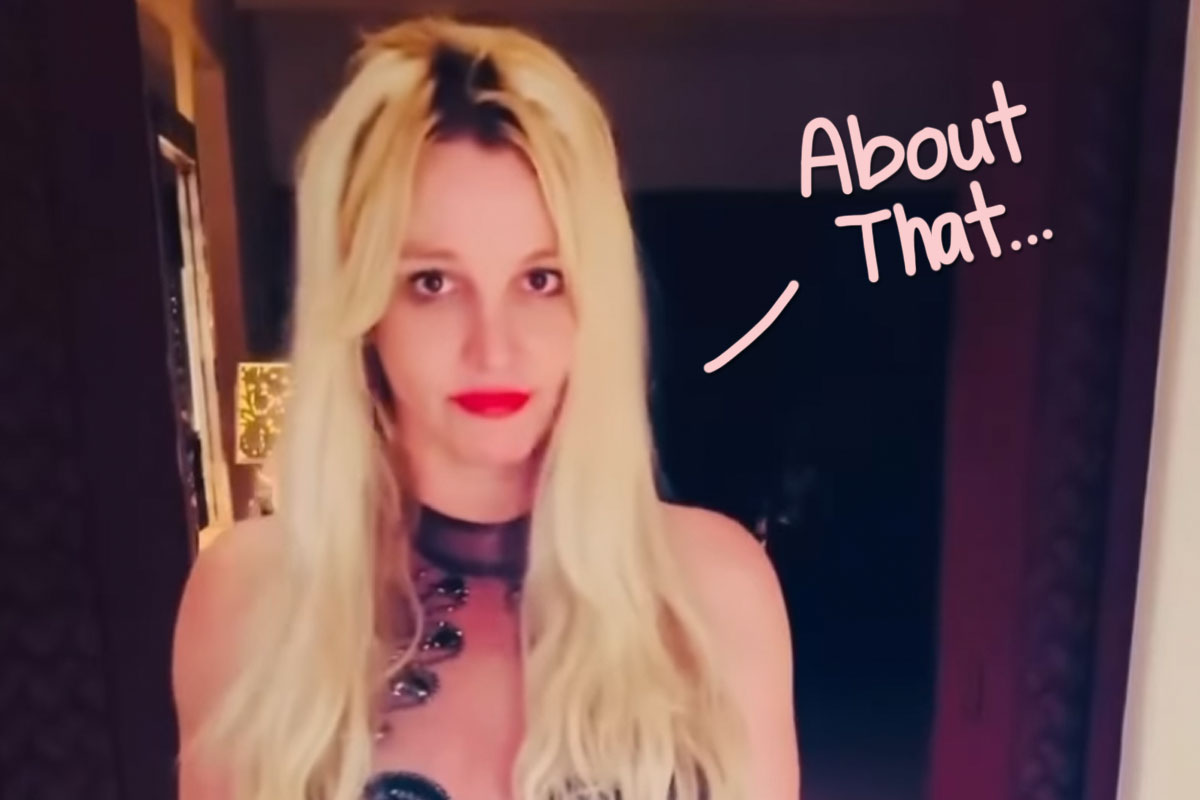
The original article briefly referenced a prior "DUI arrest" in connection with Spears, linking to a story about her voluntarily entering rehab in that context. While the sunroof incident did not involve Spears driving, this past mention is relevant to understanding the heightened public and media scrutiny surrounding her movements and choices. Following periods of intense public interest and concerns over her well-being, any public act, particularly one involving vehicles or perceived risk, tends to be amplified. Her being chauffeured, rather than driving herself, could be seen as a deliberate step to avoid potential legal issues or public criticism related to her operating a vehicle, especially given her past. However, even as a passenger, her actions remain subject to public judgment, illustrating the inescapable nature of her celebrity. This historical context informs why an otherwise seemingly minor act of leaning out of a sunroof quickly escalated into a significant news item, triggering both concern and debate.
Road Safety and Legal Implications
While Britney Spears’s actions may have been driven by a desire for freedom or a momentary impulse, they also raise legitimate questions regarding road safety and potential legal ramifications.
Inherent Safety Concerns
Extending one’s body, particularly the upper torso, out of a moving vehicle on a freeway presents several significant safety hazards. Freeways are high-speed environments where unexpected movements can have dire consequences.
- Risk of Collision: Even a minor swerve or sudden stop by the chauffeured vehicle could cause Spears to lose her balance and be ejected, leading to severe injuries or even death.
- External Obstacles: Overhead signs, low bridges, debris, or even other vehicles could pose a direct physical threat to someone protruding from a sunroof.
- Driver Distraction: While Spears was a passenger, her prominent presence outside the vehicle could easily distract other drivers on the freeway, increasing the risk of accidents involving other motorists.
- Wind Shear and Debris: At freeway speeds, the force of the wind can be substantial, making it difficult to maintain position and potentially causing eye injuries or impacts from airborne debris.
Road safety organizations consistently advocate for all vehicle occupants to remain seated with seatbelts fastened for the duration of a journey, regardless of whether they are the driver or a passenger. This incident serves as a stark reminder of these universal safety guidelines.
Legal Considerations
From a legal standpoint, California Vehicle Code (CVC) has provisions that could potentially apply to such a situation, even if Spears was a passenger and not the driver.
- Unsafe Passenger Behavior: CVC 21700 prohibits a driver from permitting a person to ride outside of the passenger compartment of a vehicle. While the sunroof might be considered part of the "passenger compartment," extending the body significantly outside of it could be interpreted as a violation depending on the specific circumstances and interpretation by law enforcement.
- Protruding Loads/Objects: CVC 21712 addresses objects protruding from vehicles. While typically applied to cargo, the spirit of the law relates to anything extending from a vehicle in an unsafe manner.
- Distracted Driving (Indirectly): While Spears was not driving, her actions could be argued to contribute to "distracted driving" for other motorists, potentially creating a hazard.
While it is unlikely that Spears herself would face direct legal charges for being a passenger, the driver could potentially be cited for allowing an unsafe condition. The primary concern, however, remains the severe risk of personal injury to Spears herself and the potential for causing or contributing to an accident involving other vehicles. Law enforcement agencies typically emphasize the importance of safe conduct within vehicles to protect all road users.
Public Perception and Media Response
The sunroof incident generated a diverse range of public reactions and further fueled the ongoing discourse surrounding celebrity behavior, mental health, and media ethics.
Mixed Public Reactions
On social media and in comment sections, public sentiment was largely divided:
- Concern and Worry: Many fans expressed genuine concern for Spears’s safety and well-being, interpreting the act as potentially reckless or indicative of underlying struggles. This reaction is deeply rooted in the long-standing public empathy for her past experiences.
- Celebration of Freedom: Others viewed the incident as a defiant act of freedom and joy, a visible manifestation of Spears finally living life on her own terms after years of severe restrictions. For this segment of the audience, it was seen as an expression of her reclaiming agency.
- Criticism of Recklessness: A smaller but vocal group criticized the act as irresponsible, setting a poor example, and potentially dangerous, regardless of her personal history.
- Skepticism and Cynicism: Some adopted a more cynical view, suggesting it was a calculated move for attention or another sign of instability, reflecting the harsh judgment often leveled against public figures.
Role of Social Media
Social media platforms played a crucial role in amplifying the incident. The immediate sharing of images, videos, and comments created an echo chamber where narratives quickly formed and solidified, often before official statements or full context could emerge. This rapid dissemination contributes to the "two seconds of insanity" phenomenon Spears alluded to, where fleeting moments are immortalized and analyzed ad nauseam. The instant feedback loop on platforms like Instagram and X (formerly Twitter) allows for both an outpouring of support and a torrent of criticism, making it challenging for celebrities to control their public image.
Media Ethics and Celebrity Privilege
The incident also reignited discussions about media ethics in reporting on celebrities, especially those with documented histories of vulnerability. The question arises: Is it ethical to widely publish images that, while newsworthy, could potentially exploit or sensationalize a person’s struggles, or present a moment of private expression as public spectacle? The very nature of paparazzi photography, which often captures individuals in unguarded moments, fuels this debate.
Furthermore, the "celebrity privilege vs. public responsibility" dynamic was highlighted. While Spears enjoys immense fame and its associated benefits, her actions are also held to a higher standard and scrutinized more intensely than those of an ordinary citizen. This creates a tension between her right to personal freedom and the public’s expectation of responsible conduct from influential figures.
Broader Implications and The Narrative of Freedom
The Britney Spears sunroof incident, while seemingly minor in isolation, carries broader implications for understanding her ongoing journey, the nature of celebrity, and the public’s relationship with figures who have experienced profound public struggles.
Reclaiming Agency and Self-Expression
For many observers, Spears’s act, regardless of its safety implications, is interpreted as a powerful, albeit unconventional, assertion of her reclaimed agency. After more than a decade under a conservatorship that dictated nearly every aspect of her life, including her public appearances and private decisions, moments of uninhibited self-expression are often seen as symbolic victories. The "Psss I think I need to come out of the roof quite a bit more" comment reinforces this interpretation, suggesting a desire to push boundaries and fully embrace her newfound freedom without the constraints that previously defined her existence. It speaks to a fundamental human need for autonomy and the right to define one’s own experiences, even if those experiences are perceived as unconventional by societal standards.
The Ongoing Saga of Post-Conservatorship Life
This incident adds another complex chapter to the public narrative of Britney Spears’s post-conservatorship life. Her journey has been characterized by attempts to heal, to rebuild relationships, and to redefine her identity away from the shadow of legal control. Each public action, each social media post, becomes a data point in this ongoing saga, analyzed for signs of progress, struggle, or continued eccentricity. The sunroof incident fits within this pattern, serving as a reminder that her path to full self-realization is not linear and often involves public moments that challenge conventional expectations. It underscores the difficulty of navigating immense fame while simultaneously processing past trauma and forging a new identity.
A Call for Empathy Versus Caution
The public’s reaction to the incident encapsulates a fundamental tension: the desire to extend empathy and understanding to a figure who has endured immense suffering, versus the legitimate concerns for personal safety and responsible public conduct. Supporters advocate for giving Spears the space and grace to express herself authentically, recognizing that her journey is unique and not always understandable through conventional lenses. Conversely, road safety advocates and concerned citizens underscore the universal importance of safety, regardless of celebrity status or personal history. This dynamic highlights the complex ethical landscape of public empathy when confronted with actions that carry inherent risks.
In conclusion, Britney Spears’s decision to emerge from a sunroof on an LA freeway, and her subsequent defense of the act, is more than just a fleeting celebrity spectacle. It is a moment rich with layered meanings, reflecting her ongoing quest for freedom and self-definition in a post-conservatorship world, the relentless gaze of media and public scrutiny, and the enduring tension between personal expression and public responsibility. Her statement, "Nothing is what it seems," serves as a poignant reminder that while the public may witness "two seconds of insanity," the full tapestry of her reality remains vastly more intricate and profound. As she continues to navigate her journey, each public action will undoubtedly be viewed through the multifaceted lens of her past, her present, and her determined pursuit of an authentic future.