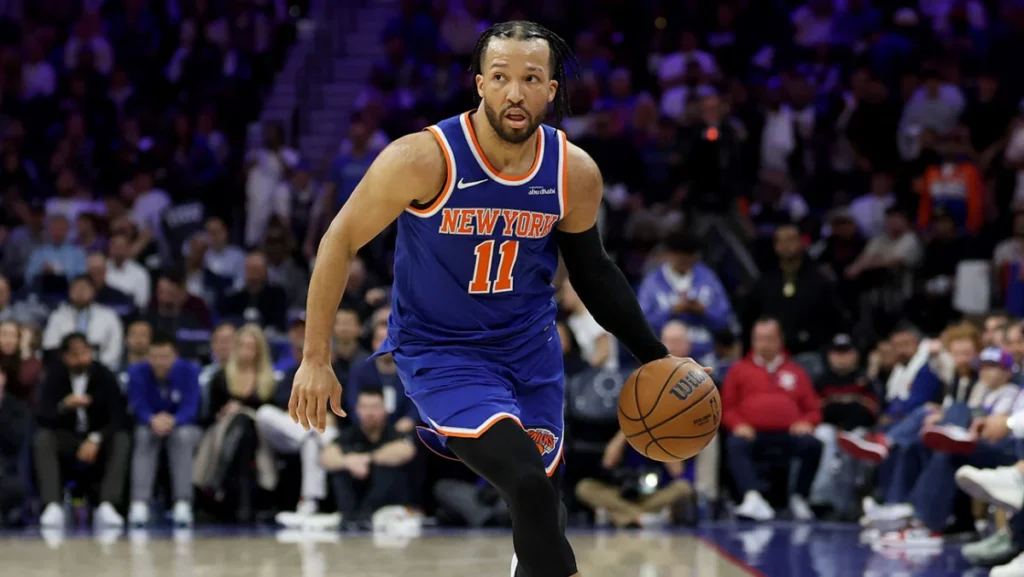

The current era of sports consumption stands at a critical juncture, marked by a profound transition from traditional linear television to a myriad of streaming platforms. This evolution has been met with a mix of enthusiasm for technological advancement and frustration over content fragmentation. For many dedicated sports fans, the dream of a unified "sports heaven," once embodied by the expansive reach of ESPN, has been replaced by a sprawling digital ecosystem demanding multiple subscriptions, leading to confusion over game availability, and occasionally delivering subpar broadcast quality—a point underscored by recent criticisms of Netflix’s foray into live sports. Yet, amidst these challenges, the recent NBA Playoffs have presented a surprisingly positive narrative, offering an early, compelling glimpse into the future of sports streaming, particularly as major players like Amazon’s Prime Video and Peacock prepare for more extensive roles starting with the 2025-26 season.
The Genesis of Fragmentation: From Cable Comfort to Digital Dilemma
For decades, the sports viewing experience was largely anchored to cable television. Channels like ESPN, launched in 1979, revolutionized sports broadcasting by offering an unprecedented depth of coverage, earning its moniker as "the worldwide leader in sports" and fulfilling a promise of a centralized "sports heaven" for fans. This era, characterized by bundled packages and predictable schedules, fostered a sense of comfort and accessibility. However, the advent of high-speed internet and the rise of streaming technology fundamentally disrupted this model. The concept of "cord-cutting"—the deliberate cancellation of traditional cable or satellite subscriptions in favor of internet-based streaming services—began as a niche trend but rapidly accelerated into a mainstream phenomenon.
The motivations behind cord-cutting were multifaceted: escalating cable bills, a desire for more personalized content selection, and the allure of on-demand viewing. This shift, while empowering consumers with greater choice, inadvertently set the stage for the current fragmentation crisis in sports broadcasting. As traditional media companies grappled with declining linear viewership and advertising revenues, and tech giants sought to acquire premium content to drive subscriber growth, sports rights became a fiercely contested battleground. Leagues, eager to maximize revenue and reach new demographics, began unbundling their broadcast rights, selling them to an array of linear networks, their own league-specific streaming services, and increasingly, to new digital entrants. This strategic pivot, while financially beneficial for the leagues, has created a complex web of viewing options for fans, often necessitating multiple subscriptions to follow a single sport, let alone an entire season across different leagues.
A New Era for NBA Rights: A Glimpse into the Future
The National Basketball Association (NBA), a global sports juggernaut, has been at the forefront of this digital transformation. While the full, expanded NBA rights packages for Prime Video and Peacock are set to officially commence with the 2025-26 season, the current NBA Playoffs have offered an early, positive demonstration of their capabilities and commitment to live sports streaming. This period serves as a critical proving ground, allowing platforms to fine-tune their infrastructure, production quality, and user experience ahead of a more comprehensive rollout.
The NBA’s decision to diversify its broadcast partners reflects a broader industry trend. For years, ESPN and TNT held the lion’s share of NBA coverage. However, with contracts expiring and the digital landscape evolving, the league has actively pursued new partners to expand its reach and secure lucrative new deals. Reports indicate that the new rights deals, which are expected to be finalized soon, could significantly increase the league’s media revenue, potentially doubling or even tripling it. Amazon, NBCUniversal (Peacock), and Disney (ESPN/ABC) are reportedly poised to secure substantial portions of these rights, signaling a pivotal moment for how NBA content will be delivered to fans worldwide. Industry analysts estimate that the NBA’s domestic media rights could soar from the current $2.6 billion annually to over $7 billion, underscoring the immense value placed on live sports content in the streaming era. This robust investment is driven by the understanding that live sports remain one of the few forms of content capable of commanding immediate, communal viewership, making them invaluable for subscriber acquisition and retention.
Amazon Prime Video: A Seamless Transition Rooted in Prior Success
Amazon Prime Video’s entry into the high-stakes world of live sports streaming was not without its initial challenges, but its experience with Thursday Night Football (TNF) for the NFL proved to be an invaluable learning curve. Amazon secured exclusive rights to TNF in 2022, marking a significant departure from traditional network broadcasting for a full slate of NFL games. This move required substantial investment in infrastructure, production talent, and technological solutions to handle the immense traffic and high expectations associated with primetime NFL viewership. While early TNF broadcasts faced occasional technical glitches and user interface complaints, Amazon rapidly iterated and improved, demonstrating a strong commitment to delivering a polished product. Data from Nielsen showed that TNF on Prime Video averaged 11.8 million viewers per game in its second season (2023), a significant increase from its debut year, indicating growing viewer acceptance and platform stability.
This foundational experience has evidently paid dividends in its NBA playoff coverage. While the current NBA games on Prime Video are a prelude to its larger role, the platform has showcased a high level of technical stability and production quality. Even a notable two-minute video outage during a critical overtime period of a first-round Heat-Hornets playoff game was quickly identified as a production truck issue—an external factor that would have impacted any delivery method, linear or digital. This incident, while unfortunate, did not significantly detract from the overall positive impression. Industry experts often point out that such "production truck problems" are inherent risks in live broadcasting, regardless of the delivery platform, and quick diagnosis and resolution are key indicators of a mature production team.
Beyond technical delivery, Amazon has invested heavily in creating a premium viewing experience. Its state-of-the-art, 13,000-square-foot, two-story NBA studio, complete with a regulation-sized half-court and an advanced LED floor, sets a new benchmark for sports broadcasting. This immersive environment enhances pre-game, halftime, and post-game analysis, bringing a theatrical quality to the presentation. The selection of talent further elevates the coverage, with seasoned host Taylor Rooks and former NBA star Blake Griffin providing insightful analysis. The presence of veteran play-by-play announcer Ian Eagle, a familiar voice to many basketball fans, adds a layer of comfort and credibility, bridging the gap between traditional and digital broadcasting. For many, the value proposition of Prime Video extends beyond its sports content. Its core offering of free, two-day retail shipping makes the annual subscription a compelling proposition even for non-sports fans, effectively softening the blow of "yet another streaming service" for those who primarily subscribe for retail benefits. This integrated ecosystem provides Amazon with a unique advantage in the streaming wars, allowing it to leverage its broader customer base for sports viewership, which currently stands at over 200 million Prime members globally.
Peacock’s Ascent: From NFL Proving Ground to NBA Contender
NBCUniversal’s Peacock, another significant player in the evolving sports streaming landscape, has similarly leveraged its experience with high-profile live events to refine its capabilities. Peacock’s acquisition of exclusive Sunday Night Football games, including the first-ever exclusive NFL playoff game on a streaming service in January 2024, provided a crucial proving ground for its live streaming infrastructure. These primetime NFL broadcasts, known for their massive viewership, demanded robust technical performance and seamless delivery. While Peacock, like all new entrants, experienced its share of early growing pains, its handling of these major events demonstrated its capacity to deliver high-quality live sports at scale. The exclusive AFC Wild Card game between the Miami Dolphins and Kansas City Chiefs on Peacock drew an average of 23 million viewers, making it the most-streamed event in U.S. history, a clear indication of the platform’s ability to handle peak demand.
This experience has positioned Peacock favorably for its NBA playoff coverage. However, the platform did encounter an audio problem during the start of a recent Western Conference Finals game, a reminder that even established players face occasional technical hurdles in the demanding environment of live broadcasting. While a Peacock spokesperson did not immediately comment on the specific issue, such incidents highlight the continuous need for vigilance and rapid response in live production. Industry best practices for live audio production include redundant systems, comprehensive pre-broadcast checks, and dedicated audio engineers, yet unforeseen circumstances can still arise. Despite minor issues, the inclusion of iconic elements like "Roundball Rock"—NBC Sports’ beloved NBA theme music—serves as a nostalgic touchpoint for long-time fans, reinforcing a sense of familiarity and quality associated with NBC’s legacy sports coverage. This blend of new technology and cherished traditions helps soften the impact of technical snags and reinforces Peacock’s commitment to a premium NBA experience, seeking to build on its reported 34 million paid subscribers.
The Enduring Strength of Traditional Broadcasters: ESPN and ABC
While new streaming platforms carve out their niche, traditional powerhouses like ESPN and ABC continue to play a pivotal role in sports broadcasting. Their long-standing expertise, established infrastructure, and deep talent pools ensure a consistently high-quality viewing experience. ESPN/ABC’s extensive portfolio, including the exclusive primetime NFL package for Monday Night Football, means their live streaming operations are generally well-oiled and highly reliable. Monday Night Football consistently ranks among the most-watched programs on television, with viewership often exceeding 15 million, demonstrating the sustained appeal of linear broadcasting for major sporting events.
However, even within the ESPN ecosystem, fragmentation exists. The core linear ESPN channel, ESPN+, and the new ESPN app represent different tiers of content and access, often requiring separate subscriptions or specific authentication processes. This internal segmentation mirrors the broader industry trend, forcing fans to navigate various platforms even within a single media conglomerate. Despite this, the quality of production and commentary, exemplified by iconic voices like Mike Breen—who will now be on the mic for the Eastern Conference Finals and potentially the NBA Finals—remains a cornerstone of their appeal. Breen’s renowned "Bang!" call has become synonymous with clutch NBA moments, highlighting the enduring value of expert commentary in enhancing the fan experience.
The Unrivaled Flexibility of Streaming for Households
For individual households, the shift to streaming offers undeniable advantages in terms of flexibility and convenience. A typical modern home might feature multiple smart TVs, tablets, and smartphones, all capable of streaming content. Data from Statista indicates that the average American household now owns multiple internet-connected devices, with smart TVs leading the charge in media consumption. This contrasts sharply with the traditional model, where only one or a few TVs might be connected to a linear cable box. The ability to stream games on any device, in any room, liberates viewers from the constraints of fixed viewing locations. For instance, a West Coast NBA game, starting late for East Coast viewers, can seamlessly transition from a living room experience to a "bedtime story" or even white noise in the bedroom, without the need for expensive additional cable boxes or complex authentication processes.
Furthermore, the reliability of digital delivery systems has significantly improved. While localized internet outages can occur, especially during severe weather, they are often no less reliable than issues faced by traditional cable boxes, which can also be prone to service interruptions, signal degradation, or hardware malfunctions. The "Optimum app" scenario, mentioned in the original article, perfectly illustrates the frustration associated with trying to replicate a seamless streaming experience through a traditional cable provider’s app, often requiring specific devices and a high tolerance for technical glitches. The inherent design of dedicated streaming apps, by contrast, prioritizes ease of use and multi-device compatibility, offering a streamlined pathway to content that traditional cable solutions often struggle to match.
Navigating the Commercial Landscape: The Role of EverPass
The fragmentation of sports rights presents a unique challenge for commercial establishments such as sports bars, restaurants, and casinos, which rely on offering a comprehensive range of live sports to attract and retain customers. In the past, a robust cable package would suffice. Today, however, subscribing to multiple individual streaming services for commercial use would be prohibitively expensive and logistically complex, potentially leading to lost revenue from disappointed patrons.
Enter EverPass, a specialized platform designed to consolidate commercial streaming rights. Launched by Endeavor in collaboration with the major leagues, EverPass provides businesses with a single subscription that grants access to a broad spectrum of major sports streaming packages, including Apple TV, ESPN+, NFL Sunday Ticket, Paramount+, Peacock Sports Pass, and Prime Video. It also offers regional sports network access (e.g., Victory+, Chicago’s CHSN, New York’s YES Network). This commercial solution simplifies the process for businesses, ensuring they can offer their patrons a wide array of games without the headache of managing numerous individual accounts and hardware setups. While an added cost, EverPass has become an essential tool for any establishment aiming to remain a premier destination for live sports viewing, allowing them to navigate the intricate web of exclusive content deals with greater ease.
Lingering Concerns and the Path Forward
Despite the advancements and the generally positive reception to the NBA Playoffs on new streaming platforms, valid consumer complaints persist. The existence of "Peacock exclusives" and Apple TV’s Friday Night Baseball package means that fans must still subscribe to disparate services to catch all the action. This forces consumers to make difficult choices about which sports, teams, or games they prioritize, or to bear the financial burden of multiple subscriptions. A survey by J.D. Power in 2023 indicated that subscription fatigue is a growing concern for consumers, with many expressing frustration over the increasing number of services required to access desired content. The ideal "sports heaven" remains elusive for many, as the fragmented landscape continues to demand a strategic, often costly, approach to sports consumption.
The contrast between a largely positive NBA streaming experience and the criticism leveled at Netflix’s MLB coverage is stark. Reports indicated that Netflix’s MLB streams suffered from lower production values, limited camera angles, and a general lack of the polish expected from professional sports broadcasts. This highlights a crucial lesson: simply acquiring sports rights is not enough; the investment in high-quality production, seamless delivery, and a fan-centric viewing experience is paramount. Consumers, accustomed to decades of professional sports broadcasting, expect a certain standard that platforms must meet or exceed to justify their subscription fees.
The future of sports streaming is likely to involve continued evolution, driven by both technological innovation and market consolidation. The recent announcement of a joint venture between ESPN, Fox, and Warner Bros. Discovery to launch a new sports streaming service in fall 2024 is a testament to this trend. This "mega-bundle" aims to offer a comprehensive array of sports content, potentially alleviating some of the current fragmentation by bringing together content from their respective networks and streaming platforms. Such initiatives could represent a significant step towards a more unified sports viewing experience, reminiscent of the "sports heaven" ESPN once promised, but reimagined for the digital age. This collaboration, representing an estimated 85% of domestic sports rights, signifies a potential turning point in the streaming wars,