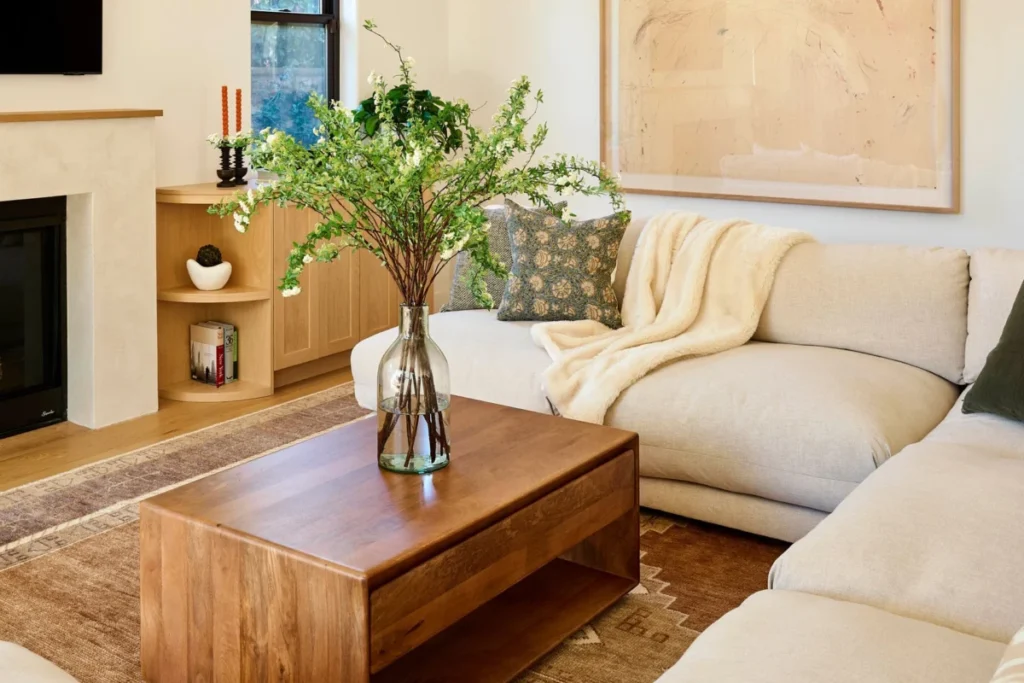

The global home textile market, valued at approximately $120 billion in 2023, is undergoing a profound shift toward sustainable luxury and artisanal craftsmanship. As consumers increasingly prioritize both aesthetic appeal and environmental responsibility, the demand for high-quality throw blankets has transcended mere utility, positioning these items as central elements of interior design and personal wellness. Industry leaders such as Coyuchi, Brooklinen, and Libeco are currently redefining the standards of the "throw" through the use of organic fibers, heritage weaving techniques, and innovative textures that cater to a sophisticated demographic seeking comfort without compromising on ethics or style.
The Rise of Organic Cotton and Eco-Conscious Manufacturing
At the forefront of the sustainable textile movement is Coyuchi, a brand that has long championed the use of 100% organic cotton. Their signature organic cotton throw has become a benchmark for the industry, particularly noted for its "weighty yet soft" profile. This specific tactile balance is achieved through meticulous weaving processes that allow the fabric to retain heat while remaining breathable. The design of these modern throws often pays homage to historical textile traditions; for instance, the inclusion of striped patterns reminiscent of the iconic Hudson Bay blankets connects contemporary consumers to a lineage of rugged, durable craftsmanship.
Supporting data from the Global Organic Textile Standard (GOTS) indicates that the demand for organic cotton in home furnishings has grown by nearly 12% annually over the last five years. This trend is driven by a heightened awareness of the environmental impact of conventional cotton farming, which is traditionally water-intensive and reliant on synthetic pesticides. By utilizing organic fibers, manufacturers like Coyuchi and Boll & Branch not only reduce their ecological footprint but also offer a product that is hypoallergenic and free from toxic residues, a significant selling point for health-conscious homeowners.

Direct-to-Consumer Innovation and the Waffle Knit Trend
The landscape of home decor has been significantly altered by the rise of direct-to-consumer (DTC) brands, with Brooklinen emerging as a dominant force. Their Dreamweave Waffle Throw Blanket exemplifies the intersection of accessibility and high-end material science. Constructed from 100% Turkish cotton, the blanket utilizes a tight waffle knit—a structure that increases the surface area of the fabric, enhancing its moisture-wicking properties and durability.
Turkish cotton is particularly prized in the textile industry for its long fibers, which result in stronger and smoother threads than regular cotton. This material choice, combined with the waffle weave, prevents common issues such as pilling and shedding, which often plague lower-quality synthetic alternatives. Market analysis suggests that the "waffle knit" aesthetic has seen a 25% increase in social media engagement and search volume over the past two years, as it provides a three-dimensional texture that complements the minimalist and "Scandi-chic" interior design trends currently favored by urban professionals.
Heritage Weaving and the Luxury Linen Sector
While cotton remains a staple, the ultra-luxury segment of the market is increasingly turning toward Belgian linen. Libeco, a company with roots dating back to 1858, represents the pinnacle of this niche. Their Etienne Belgian Blanket is frequently cited by interior designers as a transformative piece of decor. Unlike synthetic blends, pure Belgian linen possesses a unique thermal-regulating property; it feels cool in the summer and retains body heat in the winter.
The production of Belgian linen is a labor-intensive process that involves the cultivation of flax in the specific climate of Western Europe. The resulting fabric is known for its "considerable weight" and exceptional longevity. Industry experts note that while a $500 price point for a throw blanket may seem extravagant, the "cost-per-use" and lifespan of high-quality linen often make it a more sustainable investment than cheaper, disposable alternatives. Furthermore, the sheer scale of these premium blankets—often large enough to serve as primary bed coverings—reflects a trend toward "maximalist comfort" where the lines between bedroom and living room textiles are blurred.
.jpeg)
Artisanal Collaborations and the Social Impact of Textiles
A growing subset of the textile market focuses on the intersection of folk art and modern design. The Berea College Rise Throw is a primary example of this movement. Produced in tandem with the Student Craft program at Berea College in Kentucky, these blankets utilize natural hemp and wool blends. This collaboration highlights a broader industry shift toward "slow decor," where the story behind the product is as important as the product itself.
Hemp, often overlooked in the 20th century due to regulatory hurdles, is making a significant comeback in the 21st-century textile market. It is one of the most sustainable fibers available, requiring little water and no pesticides to grow. When blended with wool, it creates a "grounded, artisanal" texture that appeals to consumers looking for "biophilic" design elements—products that bring a sense of the natural world into the home environment. These partnerships also provide vital economic support to traditional craft programs, ensuring that historical weaving techniques are preserved for future generations.
Material Science: The SuperLoop and Weighted Comfort
As the psychological benefits of "weighted" products become better understood, brands like Boll & Branch are innovating with structural designs such as the "SuperLoop." This construction involves super-wide knit loops of 100% organic cotton, creating a blanket that provides the psychological comfort of a weighted throw without the excessive heat often associated with glass-bead-filled alternatives.
From a design perspective, these high-texture pieces serve a dual purpose. In modern interior design, where neutral palettes and hard surfaces (such as marble and polished wood) are prevalent, a high-dimension knit provides "visual warmth." This "dynamism," as designers call it, breaks up the flat planes of a room, making a space feel inhabited and curated rather than merely staged.
.jpeg)
Chronology of the Modern Throw Blanket Evolution
- 1990s – Early 2000s: The market was dominated by synthetic fleece and mass-produced wool blends. Sustainability was a niche concern.
- 2010 – 2015: The rise of GOTS certification and the founding of brands like Coyuchi and Boll & Branch brought organic cotton into the mainstream luxury conversation.
- 2016 – 2020: The DTC revolution, led by Brooklinen and Parachute, democratized high-quality textiles, moving Turkish cotton and linen from boutique shops to a broader audience.
- 2021 – Present: Post-pandemic "nesting" behaviors led to a surge in high-end investments. Consumers began prioritizing "investment pieces" like Belgian linen and artisanal heritage weaves over fast-fashion home goods.
Technical Care and Maintenance for Longevity
To protect the integrity of these high-end investments, the industry has seen a parallel rise in specialized garment care products. Professional textile conservators recommend avoiding harsh detergents and high-heat drying, which can break down organic fibers and cause shrinkage. Instead, pH-neutral soaps and air-drying or low-tumble settings are advised to maintain the "softness and velvety feel" of the blankets over decades. The durability of a $400-$500 blanket is only as good as the care it receives, and brands are increasingly providing detailed "aftercare" education to their customers to ensure product satisfaction.
Broader Economic Impact and Future Outlook
The trajectory of the premium throw blanket market suggests a permanent shift in consumer behavior. No longer viewed as an afterthought, the throw blanket has become a symbol of "quiet luxury"—a term used to describe high-quality, understated items that signal status through material excellence rather than overt branding.
Market analysts predict that the global luxury home textile segment will continue to grow at a CAGR (Compound Annual Growth Rate) of 6.5% through 2030. This growth will likely be fueled by further innovations in recycled fibers and "smart textiles" that can actively regulate temperature. However, the core appeal remains rooted in the tactile experience. As the world becomes increasingly digital and automated, the physical sensation of a weighty, soft, and well-crafted blanket offers a form of "analog comfort" that technology cannot replicate.
In conclusion, the evolution of the throw blanket from a basic household utility to a high-stakes design element reflects broader changes in global culture. The success of brands like Coyuchi, Libeco, and Brooklinen demonstrates that when companies align superior material science with ethical production and timeless design, they create products that resonate deeply with the modern consumer. Whether it is the artisanal charm of a hemp-wool blend from Kentucky or the centuries-old prestige of Belgian linen, the modern throw blanket is a testament to the enduring value of quality in the domestic sphere.