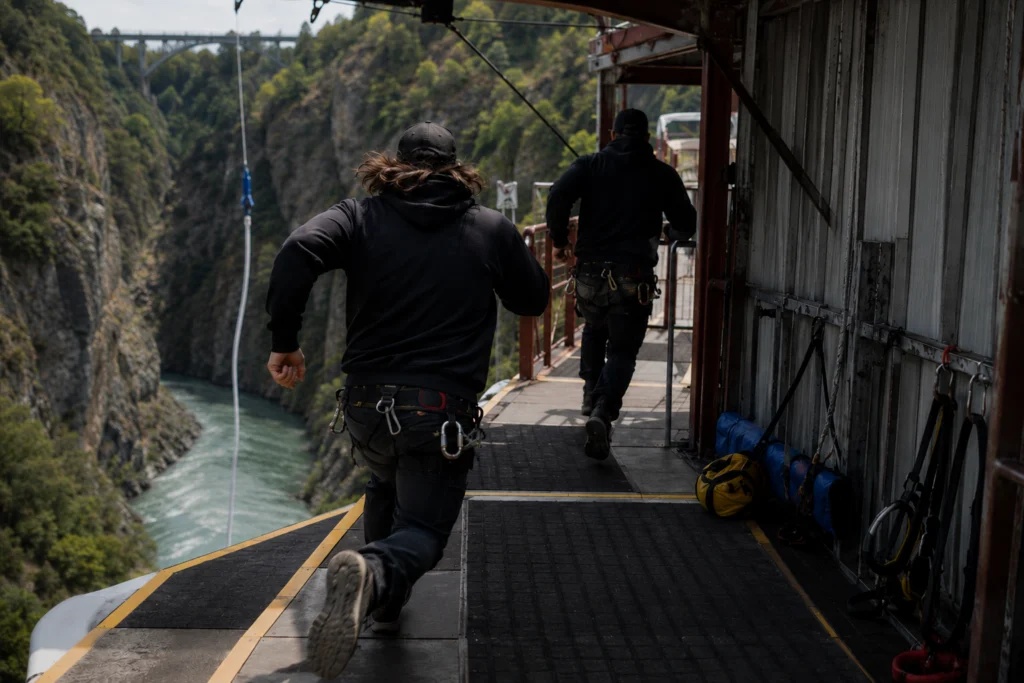

The tragic death of Maria Eduarda Rodrigues de Freitas, a 21-year-old woman, during a bungee jumping excursion in Limeira, São Paulo, Brazil, has sent shockwaves through the community and prompted an intensive investigation into the alleged negligence of the operators. New details emerging from local police, as reported by Brazilian outlet O Globo, paint a grim picture of the events leading to her untimely demise, including allegations of critical safety failures, the flight of instructors from the scene, and subsequent homicide charges. The incident, which occurred at the picturesque Skeleton Bridge, has ignited a broader conversation about safety standards and regulatory oversight within the adventure tourism industry, raising serious questions about the accountability of those who offer high-risk recreational activities.
The Catastrophic Event: A Life Lost to Alleged Negligence
On the day of the incident, Maria Eduarda Rodrigues de Freitas, full of anticipation, arrived at the Skeleton Bridge, a known site for adventure activities in Limeira. She was accompanied by her fiancé, who was there to witness her experience. The bungee jumping operation, for which participants paid a fee of approximately $36, also offered an optional 360-degree camera rental for an additional $30, allowing jumpers to capture their descent. Maria Eduarda reportedly availed herself of this option, holding one of these cameras in the moments leading up to her jump, eager to document what was meant to be an exhilarating memory.
However, the thrill quickly turned to horror. As Maria Eduarda was launched from the platform, an unimaginable and fatal error allegedly occurred: her safety rope was not attached. Witnesses, including her fiancé, watched in disbelief and terror as she plummeted the entire 131 feet (approximately 40 meters) to the ground below. The scene was one of immediate distress and chaos. Emergency medical technicians (EMTs) were dispatched rapidly to the location, but their efforts were ultimately futile. Maria Eduarda Rodrigues de Freitas was pronounced dead at the scene, her life tragically cut short by what authorities are now investigating as a profound and preventable lapse in safety protocols. The incident immediately triggered a massive police response and a thorough investigation into the circumstances surrounding her death.
Detailed Chronology and the Flight of Instructors
The unfolding investigation has meticulously pieced together a disturbing chronology of events. Following Maria Eduarda’s fatal fall, the immediate aftermath was marked not only by the profound tragedy but also by alarming actions from the individuals responsible for the jump. Reports from O Globo indicate that two of the three instructors directly involved in the bungee jumping operation allegedly fled the scene shortly after Maria Eduarda hit the ground. This alleged act of evasion immediately raised suspicions of culpability and an attempt to escape legal responsibility.
The flight of the instructors prompted a large-scale search operation. Local police, recognizing the gravity of the situation and the critical need to apprehend the individuals, deployed resources including a military helicopter. The aerial search proved successful, locating the two instructors hiding in a wooded area near the bridge. Their apprehension brought them into police custody, but their initial statements only added to the perplexing nature of the incident. Upon questioning, the instructors claimed to have experienced a "blackout" regarding the crucial moments leading up to the jump. They asserted they could not remember whether the safety rope had been attached, nor could they recall who was specifically responsible for ensuring its connection. This claim of amnesia has been met with skepticism by investigators, who are working to establish a clear timeline of actions and responsibilities. The third instructor, who was reportedly tasked with holding Maria Eduarda’s legs prior to the jump, attempted to distance himself from the direct responsibility for the rope attachment, stating he was merely assisting with the launch.
The Investigation and Formal Charges
The swift and intensive police investigation led to initial detentions and subsequent formal charges. In the immediate aftermath of the tragedy, six individuals associated with the bungee jumping event were taken into custody. These included the three instructors directly involved in the jump, as well as three other individuals who were reportedly responsible for logistical tasks such as distributing wristbands at the event. The latter three were later released from custody, as the investigation focused on those directly overseeing the high-risk activity.
However, the three instructors remained central to the criminal inquiry. They were identified as Luis Felipe Feliciano Egoroff, 32; Vitor de Freitas Goncalves, 27; and Maicon Fernandes Cintra, 42. All three have been formally charged with homicide in connection with Maria Eduarda’s death. Deputy Andréa Dantas Levy of the local police provided further details on the instructors’ defensive claims, reiterating their consistent narrative of memory loss: "They said they can’t remember where and when the fault occurred, who would have to have put it, and didn’t." This persistent refusal to acknowledge responsibility or pinpoint the exact moment of error has only intensified the resolve of the authorities to uncover the full truth.
The legal proceedings have moved rapidly, reflecting the serious nature of the alleged crime. Judge Paulo Henrique Stahlberg Natal, overseeing the case, issued a crucial decision regarding the custody of the accused instructors. Citing the severity of the charges and, critically, the fact that two of the defendants had attempted to flee the scene after the incident, Judge Natal ordered that all three remain in custody. His judicial reasoning highlighted the potential risk their freedom posed, stating that "their freedom could lead to the repetition of equally dangerous conduct." This decision underscores the court’s concern for public safety and its determination to ensure that justice is served. If convicted of homicide, the instructors face significant prison sentences, with potential terms ranging from six to 30 years, reflecting the extreme gravity of their alleged negligence and its fatal consequences.
Unanswered Questions: The Critical Missing Evidence
Amidst the legal proceedings and ongoing investigation, a significant piece of evidence remains elusive: Maria Eduarda’s 360-degree camera. As previously noted, participants had the option to rent these cameras to record their bungee jumping experience, and Maria Eduarda was reportedly holding one in the moments before her fatal fall. Such footage could provide an invaluable, first-person perspective of the tragedy, potentially offering irrefutable evidence regarding the sequence of events, the actions of the instructors, and precisely when the fatal error occurred.
Despite extensive search efforts conducted at the base of the Skeleton Bridge, the camera has not yet been recovered. Its absence complicates the evidentiary process for investigators, leaving them without a potentially definitive visual record of the incident. The recovery of this camera remains a high priority for authorities, as its contents could prove crucial in solidifying the prosecution’s case, providing clarity on the specific failures, and ensuring a comprehensive understanding of what transpired during those fateful seconds. The hope is that the camera will eventually be located, providing a critical piece to the puzzle of this devastating incident.
Broader Implications for Adventure Sports Safety and Regulation
Maria Eduarda’s tragic death has ignited a fervent discussion about safety standards and the regulatory environment surrounding adventure sports, particularly high-risk activities like bungee jumping, both in Brazil and internationally. Bungee jumping inherently carries significant risks, making stringent safety protocols, meticulous equipment checks, and highly competent, vigilant operators absolutely paramount.
Industry best practices for bungee jumping operations are designed to create multiple layers of safety and redundancy to prevent catastrophic failures. These typically include:
- Redundant Safety Systems: The use of multiple ropes, harnesses, and attachment points is standard, ensuring that if one component fails, another acts as a fail-safe.
- Rigorous Equipment Inspection and Maintenance: All equipment, including ropes, harnesses, carabiners, and anchor points, must undergo thorough pre-jump inspections by certified personnel and regular maintenance checks.
- Multi-Point Safety Verification: Before each jump, multiple trained staff members are typically required to independently verify all attachments and safety measures, often following a detailed checklist. This reduces the chance of human error.
- Clear Roles and Communication: Well-defined roles and clear communication protocols among staff are essential to ensure that no critical step is overlooked or assumed by another.
- Operator Licensing and Certification: Reputable operators are typically licensed by relevant national or local authorities and adhere to strict operational guidelines, often requiring specific insurance coverage.
- Extensive Staff Training: Instructors must undergo comprehensive training, be regularly assessed for competency in safety procedures, and be proficient in emergency response.
The alleged failure to attach the primary safety rope in Maria Eduarda’s case represents a fundamental and egregious breach of these core safety principles. It points to either a severe lack of adherence to established protocols, insufficient training, or an alarming disregard for human life. The subsequent alleged attempt by the instructors to flee the scene further compounds the perception of culpability and raises serious questions about the overall professionalism and ethical standards of the operation.
In Brazil, the regulation of adventure sports can vary significantly by state and municipality, and there may be gaps in a comprehensive national framework for all high-risk activities. This incident is highly likely to catalyze a renewed examination of these regulations, with potential calls for stricter national licensing requirements, mandatory safety certifications for both operators and staff, and more frequent, rigorous inspections of equipment and operational procedures. The trust that participants place in adventure sports operators is absolute; they are literally entrusting their lives to these providers. When that trust is betrayed by such a fundamental and preventable failure, the consequences are devastating, not only for the victim and their family but also for the reputation and future viability of the entire industry.
Community Reaction and the Path Forward
The news of Maria Eduarda’s death has resonated deeply throughout Brazil, sparking widespread public outrage and demands for justice. Social media platforms have become a forum for an outpouring of condolences for her grieving family and stern condemnation for the alleged negligence of the operators. The tragic loss of a young life under such preventable circumstances has powerfully underscored the critical importance of robust safety measures in all recreational activities, especially those that involve inherent risks.
For Maria Eduarda’s family and fiancé, the grief is immeasurable, compounded by the harrowing knowledge that her death could have been entirely averted through a simple, routine safety check. Their pursuit of justice in the courts will undoubtedly be a central, painful aspect of this ongoing tragedy, as they seek accountability for those responsible for their profound and irreparable loss.
Beyond the immediate legal outcomes for the accused instructors, this case holds significant implications for the future of adventure tourism in Brazil. It has the potential to serve as a powerful catalyst for legislative changes, encouraging the implementation of more stringent national standards and oversight for high-risk activities like bungee jumping. Operators across the country may face increased scrutiny, leading to a greater emphasis on comprehensive staff training, rigorous equipment maintenance schedules, and unwavering adherence to international best practices. The incident stands as a stark and somber reminder that while the thrill of adventure sports is undeniable and sought after by many, it must never come at the expense of human life. The ultimate responsibility for ensuring safety rests squarely on the shoulders of those who provide these experiences.
As the investigation continues to unfold, the paramount focus remains on uncovering all pertinent facts, ensuring that justice is served for Maria Eduarda Rodrigues de Freitas, and implementing measures to prevent similar, avoidable tragedies from ever occurring again. The ongoing search for the missing camera continues, holding the potential to further illuminate the precise details of this heart-wrenching event. Maria Eduarda’s memory will undoubtedly endure as a poignant reminder of the paramount importance of safety and vigilance in all recreational pursuits.