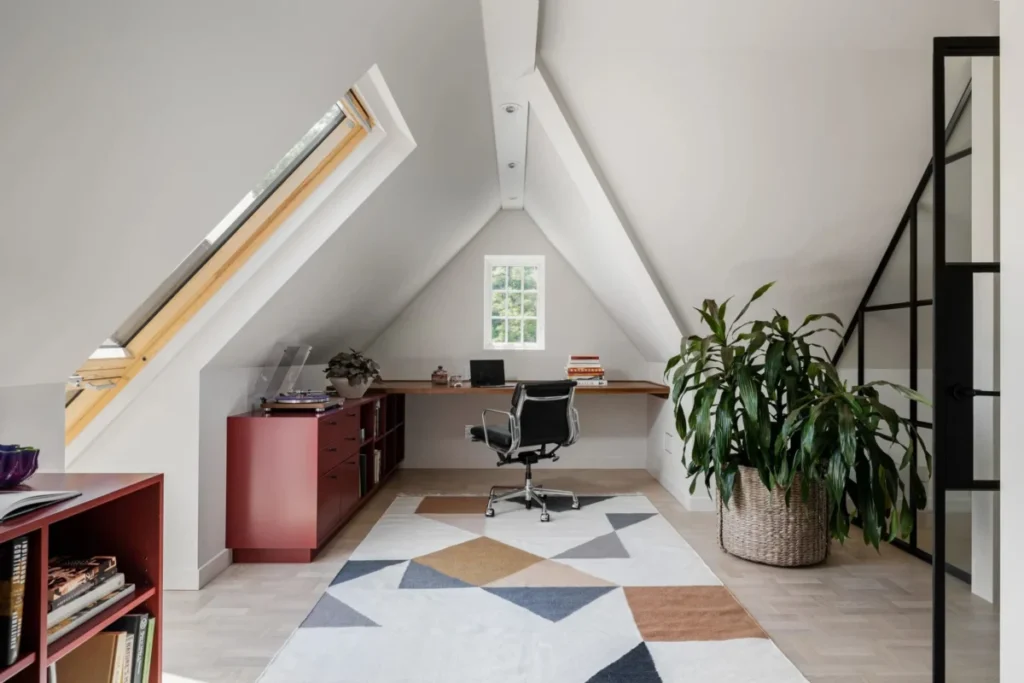

The history of the filing cabinet is inextricably linked to the rise of the modern corporation and the architectural shifts of the early 20th century. Metal filing cabinets first appeared during the 1920s, a period marked by a radical transition in document management. As businesses expanded and paperwork proliferated, storage shifted from traditional horizontal shelving to space-saving vertical models. This shift mirrored the urban development of the era; much like the skyscrapers rising in New York and Chicago, the organizational philosophy of the day posited that taller was inherently better. For decades, the vertical metal cabinet, finished in industrial gray or olive drab, became the ubiquitous symbol of clerical efficiency. However, as the boundaries between professional and domestic spaces have blurred, particularly in the wake of the global shift toward remote work, the demand for storage has evolved. While commercial environments continue to prize uniformity and high-density storage, the modern home office requires a more nuanced approach that balances technical utility with aesthetic integration.

The Historical Context: From Industrial Utility to Residential Integration
The transition of the filing cabinet from a strictly industrial tool to a piece of residential furniture has been driven by both necessity and design innovation. Throughout the mid-20th century, the filing cabinet remained largely unchanged—a heavy, steel box designed for durability rather than beauty. It was not until the "resimercial" design movement—a hybrid of residential and commercial styles—that manufacturers began to reconsider the form of document storage.
Contemporary consumers increasingly reject the "gray tower" aesthetic of the mid-century office. Today’s home office storage solutions are characterized by smaller footprints, mobile capabilities, and materials that harmonize with domestic interiors, such as natural oak, walnut, and powder-coated steels in vibrant palettes. The modern filing cabinet is no longer merely a repository for tax returns and birth certificates; it is an integrated component of home decor that must fit under a desk, double as a side table, or serve as a mobile trolley.

Analysis of Top-Tier Storage Solutions
As the market for home office furniture continues to expand—projected by industry analysts to maintain steady growth through the late 2020s—several key models have emerged as leaders in the intersection of form and function. These pieces represent a departure from mundane office supplies, offering lifestyle-driven designs that maintain rigorous organizational standards.
1. Herman Miller OE1 Trolley: The Paradigm of Versatility
The Herman Miller OE1 Trolley represents the pinnacle of modern, mobile storage. Part of the broader OE1 Workspace Collection designed by Sam Hecht and Kim Colin, this unit eschews the traditional lateral drawer in favor of a "tip-out" mechanism. This design allows for immediate access to folders and stationery without the deep footprint required by extending drawers. The trolley’s minimalist silhouette, reminiscent of Scandinavian bar carts, features a bordered top surface to prevent items from sliding during transport. Its mobility reflects the current trend toward flexible workspaces where the "office" may move from a dedicated room to a kitchen nook depending on the time of day.
.jpeg)
2. Branch Small Filing Cabinet: Optimized for Compact Spaces
For urban dwellers and those operating within limited square footage, the Branch Small Filing Cabinet has become a preferred choice. Branch, a company that gained significant traction during the remote-work surge for its ergonomic office chairs, designed this unit to be the lightest in its class. Its primary innovation lies in its surface finish; unlike the metallic coatings of the 1970s that were prone to smudging, the Branch model uses a smooth, fingerprint-resistant matte finish. The inclusion of a sage colorway aligns with contemporary interior trends that favor "biophilic" or nature-inspired tones over industrial neutrals.
3. Magis 360 Degree Container: Architectural Surrealism
Designed by the renowned Konstantin Grcic, the Magis 360 Degree Container is a study in geometric innovation. Moving away from the predictable linear motion of drawers, each compartment in this unit swivels 360 degrees around a central aluminum cylinder. This allows the user to fan out the drawers in a spiral, creating a visual statement that borders on surrealism. It is a piece that prioritizes the "event" of organization, making the retrieval of small office supplies a tactile experience.
.jpeg)
4. USM Haller File Credenza: Swiss Engineering Excellence
The USM Haller system is an icon of modular design, frequently cited by architects for its precision. Originally a hardware and lock business, the Swiss company transitioned into furniture in the 1960s. The File Credenza features a signature ball-and-tube frame that allows for nearly infinite customization. A unique historical quirk of the USM Haller system is its locking mechanism, which can be operated with a simple coin—a nod to the brand’s hardware roots. These units are often treated as investment pieces, capable of holding everything from professional documents to podcasting equipment or beauty supplies.
5. MoMA 5-Drawer Pivot Cabinet: The Memphis Influence
The MoMA Design Store’s Pivot Cabinet serves as a vibrant homage to the Memphis Group’s aesthetic of the 1980s. With a candy-like color scheme of yellow, red, and green, this Italian-made piece is designed to brighten a workspace. Its functionality as a file storer is secondary to its role as a decorative object, yet its five-drawer stack provides significant organizational capacity for active projects and tax season documentation.

6. Article Fantol File Cabinet: Natural Materiality
The Article Fantol highlights the shift toward solid wood in office furniture. At 23 inches high, it is specifically engineered to slide under standard desk heights. By utilizing natural oak grain, Article provides a solution for studio apartments and open-concept living areas where a metal cabinet would feel out of place. This model addresses the "hidden in plain sight" requirement of modern storage.
7. Laura Davidson Furniture Stockpile: Affordable Sophistication
Marketed as a reprieve from drab storage, the Stockpile cabinet offers over ten color options, including an ivory-and-white motif. Its oblong, rounded edges provide a "gentler" visual impact than traditional sharp-cornered cabinets. Furthermore, the inclusion of EZ-glide, non-slamming drawers addresses the acoustic needs of a home environment, where the clang of metal drawers can be disruptive.
.jpeg)
Technical Specifications and Material Trends
The modern consumer’s checklist for a filing cabinet has expanded beyond simple drawer count. Several technical features have become standard in high-quality models:
- Ball-Bearing Glides: Essential for heavy-duty storage, these ensure that drawers remain fluid even when filled with legal-sized folders.
- Interlocking Mechanisms: A safety feature that prevents more than one drawer from opening at a time, thereby preventing the unit from tipping over.
- Conversion Kits: High-end models like the Room & Board Sequel offer drawers that can be converted from letter-size to legal-size storage in minutes, providing longevity as a user’s professional needs change.
- Mixed Media: The use of bone inlays, mango wood, and walnut—as seen in the France & Son Sienna model—represents a high-water mark for office furniture that doubles as fine cabinetry.
Market Analysis and Broader Implications
The diversification of the filing cabinet market is a direct reflection of the changing nature of work. Data from the furniture industry suggests that the "home office" category is no longer a seasonal trend but a permanent fixture of the residential real estate market. Real estate developers are increasingly including built-in office nooks in new constructions, and furniture designers are responding by creating "chameleon" pieces.

Psychologically, the move away from gray, industrial storage has significant implications for productivity. Studies in environmental psychology suggest that a personalized and aesthetically pleasing workspace can reduce stress and increase cognitive function. By replacing a sterile metal tower with a jewel-toned Bisley cabinet or a mid-century inspired Rejuvenation Shaw unit, workers can create an environment that feels less like a corporate cubicle and more like a curated study.
Chronology of Storage Innovation
- 1920s: Introduction of vertical steel filing to replace horizontal wooden cubbies.
- 1950s: Standardization of the "Office Gray" aesthetic for corporate uniformity.
- 1963: USM Haller introduces the modular ball-and-tube system, revolutionizing office flexibility.
- 1980s: The Memphis Group and designers like Konstantin Grcic begin experimenting with non-linear storage forms.
- 2020-Present: The "Home Office Glow-Up" era, characterized by a preference for mobile, colorful, and lifestyle-integrated furniture.
Conclusion: The Future of the Physical Archive
While the digital revolution has undoubtedly reduced the volume of paper in the average household, the need for physical storage remains. Legal documents, archival materials, and tactile creative tools require a home that respects both the importance of the contents and the beauty of the surrounding environment. The filing cabinet has successfully navigated its "glow-up," evolving from a heavy, utilitarian skyscraper of the 1920s into the stylish, multi-functional, and mobile companions of the modern home. As work continues to evolve, the furniture that supports it must continue to balance the rigorous demands of organization with the soulful requirements of a home.