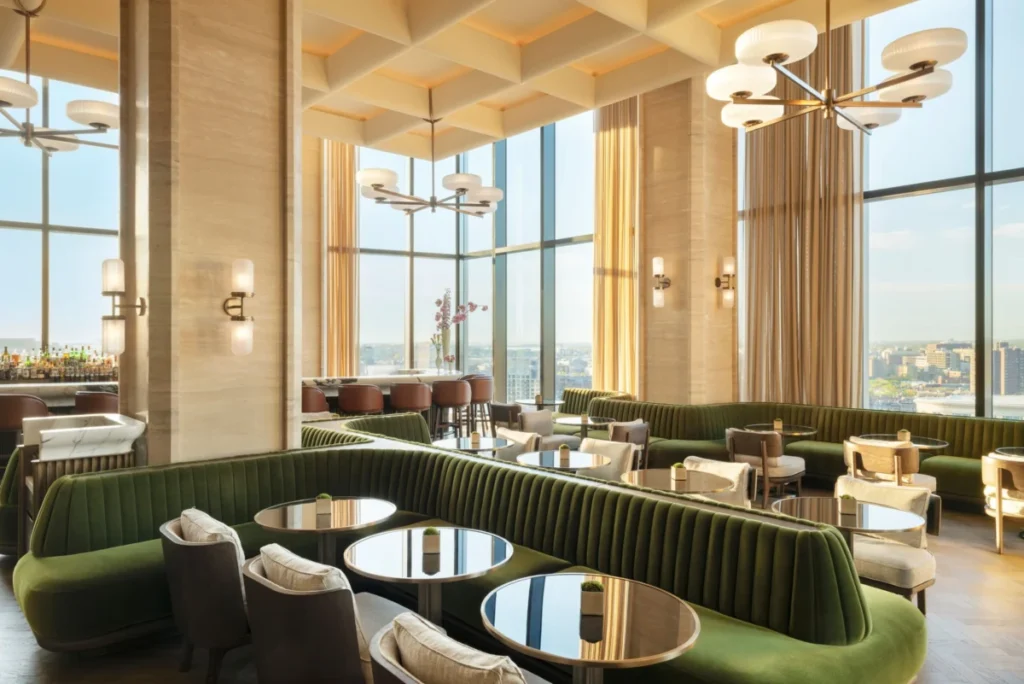

Boston, long recognized as the primary cultural and economic hub of New England, is currently undergoing a significant transformation in its high-end hospitality sector. Known for a storied history that stretches back to the American Revolution, the city has traditionally maintained a reputation for conservative, "old-world" luxury. However, a recent wave of development and multi-million-dollar renovations is redefining the Bostonian aesthetic, blending its historical "patina" with cutting-edge modernism and cosmopolitan flair. This shift is particularly evident in the emergence of "innovation districts" and the revitalization of historic landmarks into five-star properties that cater to a new generation of affluent travelers.
The city’s geography serves as a canvas for this evolution. From the cobblestone streets of Beacon Hill to the glass towers of the Seaport District, Boston offers a diverse array of lodging options that reflect its multifaceted identity. Visitors are drawn not only to its museums and championship sports teams but also to its expansive green spaces, such as the Charles River Esplanade and Boston Common, the oldest city park in the United States. As the city continues to punch above its weight on the global stage, the following properties represent the pinnacle of its current hospitality offerings, each contributing to a broader narrative of urban renewal and architectural excellence.
The Rise of the Innovation District: The Atlas Hotel in Allston
A cornerstone of Boston’s modern expansion is the development of the Allston neighborhood, specifically the area surrounding Harvard’s Enterprise Research Campus. For decades, this section of the city was viewed as largely industrial or desolate. The introduction of The Atlas Hotel has been instrumental in rebranding this corridor as a "true innovation district." Designed by the award-winning Marlon Blackwell Architects, the building is a testament to sustainable urban development, having achieved LEED Gold certification. This designation is significant, as it aligns with Boston’s broader municipal goals of carbon neutrality and environmentally conscious construction.
The interior, managed by INC Architecture & Design, features 246 guest rooms that prioritize clean lines and warmth. A standout feature is the Atlas Suite, designed specifically for travelers who value architectural views; its soaking tub offers an unobstructed panorama of the Charles River and the downtown skyline. The public spaces serve as a gallery for local talent, showcasing works by Damien Hoar de Galvan and Cicely Carew. This integration of local art with high-end hospitality suggests a strategic move to ground the "innovation district" in the city’s existing creative community. Furthermore, the culinary program, led by the James Beard Award-nominated team from Comfort Kitchen, and the 7,000-square-foot Foxglove Terrace rooftop bar, position the hotel as a social destination for both locals and researchers.
Preservation and Reinvention: The Newbury Boston and XV Beacon
While new districts rise, the heart of Boston’s luxury remains in its historic quarters, where properties are undergoing sophisticated reinventions. The Newbury Boston, located at the intersection of Newbury Street and the Public Garden, occupies a limestone-clad brick structure that originally opened in 1927 as the first Ritz-Carlton in the United States. Following its transition from a Taj property, the hotel underwent a comprehensive reimagining and reopened in May 2021.
The design team for The Newbury reads like a "who’s who" of high-end architecture. Champalimaud Design handled the 286 rooms and suites, 42 of which feature wood-burning fireplaces—a rarity in modern urban hotels—supported by a dedicated Fireplace Butler service. Jeffrey Beers reimagined the public spaces, while AD100 designer Ken Fulk created the interiors for Contessa, the rooftop restaurant. Contessa has become a culinary phenomenon in the city, known for its Italian cuisine and multicolored mosaic tile floors. This property’s success demonstrates the market’s appetite for "heritage luxury"—a style that respects historical architecture while providing the high-octane design expected by modern travelers.
In a similar vein, XV Beacon remains a staple of "quiet luxury" in Beacon Hill. A registered historic building, the hotel is recognizable by its two-story cast-iron facade and Beaux Arts ornamentation. The property is a living museum, housing original elevators from 1903, a wine cellar with stonework dating to 1722, and a Roman mosaic from 500 AD. Despite its ancient roots, the 63 guest rooms have been updated with canopy beds, custom mattresses, and electric fireplaces. Its proximity to the Freedom Trail and the famous Acorn Street makes it a focal point for heritage tourism, while its steakhouse, Mooo…., continues to serve as a high-stakes dining room for the city’s legal and political elite.
International Influence: Raffles Boston and Mandarin Oriental
A major indicator of Boston’s rising global status is the arrival of international luxury brands. In September 2023, Raffles Boston opened in Back Bay, marking the brand’s first foray into the North American market. The 35-story tower features a unique "Sky Lobby" on the 17th floor, allowing for a check-in experience with sweeping views of the city. The presence of Raffles’ signature Butler Service and a Guerlain Spa—one of only four in the United States—signals a level of service-oriented luxury that was previously scarce in the New England market.
The culinary offerings at Raffles, such as La Padrona by James Beard Award-winner Jody Adams, and the 18th-floor speakeasy, The Blind Duck, reflect a trend toward "sexy," high-energy dining scenes inspired by European capitals like Milan. This international influx is mirrored at the Mandarin Oriental, Boston, which debuted significant upgrades in 2021. Also located in Back Bay and connected to the Prudential Center, the Mandarin Oriental combines New England design with chinoiserie elements. The hotel’s 16,000-square-foot spa is a critical component of its appeal, recently unveiling the Celadon Spa Suite, inspired by the company’s signature color collaboration with Pantone.
Academic Roots and Financial Foundations: The Eliot and The Langham
The Eliot Hotel and The Langham Boston represent the city’s twin pillars of academia and finance. The Eliot, a Neo-Georgian building next to the Harvard Club, was originally intended for visiting and retired professors. A 2024 renovation has transformed the property, replacing "moth-worn tweed" with a Parisian-inspired aesthetic featuring marble lobbies and soundproofed windows. The hotel’s restaurant, Uni, is a modern izakaya that consistently tops "best-of" lists, showcasing the city’s sophisticated palate for Japandi-infused dining.
In the Financial District, The Langham Boston occupies the former Federal Reserve Bank of Boston, a landmark structure built in 1922. A two-year, $200 million renovation by Richmond International was completed in June 2021, resulting in a property that celebrates its banking heritage while embracing modern luxury. The "Chairman’s Suite," complete with a baby grand piano, and the "Sweet Dreams Pillow Menu" (featuring lavender-infused options) cater to the high-end business traveler. The hotel’s location makes it a gateway to Faneuil Hall and the Seaport District, bridging the gap between the city’s fiscal heart and its new waterfront energy.
The Seaport Transformation: Omni Boston at the Seaport
Perhaps no area illustrates Boston’s growth better than the Seaport District. The Omni Boston at the Seaport, designed by Elkus Manfredi Architects, is a massive glass structure consisting of two 22-story towers: the Patron Tower and the Artist Tower. With 1,054 rooms and 52 suites, it is one of the largest and most ambitious projects in the city’s recent history.
The hotel is designed to mirror the nearby Institute of Contemporary Art (ICA). Its lobby functions as a performance space, with a stage modeled after the ICA’s exterior steps, where local musicians perform regularly. The property features seven dining venues, including the top-rated Coquette, and a heated rooftop pool that underwent renovation in 2026. The Omni’s presence in the Seaport underscores the neighborhood’s shift from a shipping terminal to a vibrant hub of art, technology, and high-capacity luxury hospitality.
Chronology of Recent Major Developments
- 1903-1927: Construction of the core historic structures (XV Beacon, The Langham, The Newbury).
- 2021 (June): Reopening of The Newbury Boston and The Langham Boston following massive renovations.
- 2021 (Late): Completion of upgrades at Mandarin Oriental, Boston.
- 2023 (September): Opening of Raffles Boston, the brand’s North American debut.
- 2024: Renovation of The Eliot Hotel rooms and soundproofing systems.
- 2025 (Late): Unveiling of the Celadon Spa Suite at Mandarin Oriental.
- 2026 (May): Renovation of the Omni Seaport rooftop pool; The Newbury Boston begins welcoming canine travelers with bespoke amenities.
Industry Analysis and Economic Implications
The rapid evolution of Boston’s hotel market carries significant economic implications. According to data from the Greater Boston Convention & Visitors Bureau, the city has seen a steady increase in international visitation, which typically results in longer stays and higher per-capita spending. The entry of brands like Raffles and the multi-million-dollar investments in The Langham and The Newbury suggest that developers are betting on Boston as a premier destination for high-net-worth individuals.
Furthermore, the shift toward "innovation districts" like Allston and the Seaport indicates a synergy between the city’s booming life sciences sector and its hospitality industry. Hotels are no longer just places to sleep; they are becoming extensions of the city’s intellectual and creative infrastructure. The integration of local art, sustainable building practices (LEED Gold), and James Beard-caliber dining programs reflects a holistic approach to urban development.
Hospitality analysts suggest that this "modernization" of Boston’s traditional luxury will help the city compete with other major hubs like New York and London. By preserving the historic facades that give the city its character while installing world-class amenities and "sexy" interior designs, Boston is successfully bridging the gap between its revolutionary past and its high-tech future.
Future Outlook
Looking ahead, the Boston hospitality market shows no signs of slowing down. With the continued expansion of Harvard’s campus in Allston and the ongoing maturation of the Seaport District, the city is poised for further growth. The scheduled 2026 upgrades to pet-friendly services and rooftop amenities at several properties indicate a trend toward "lifestyle luxury," where every niche—from the business traveler to the pet owner—is catered to with bespoke precision. As the city prepares for upcoming international events and continued academic growth, its hotels will remain the front line of its global identity, offering a blend of storied history and cutting-edge innovation.